Building a Native Advertising Strategy From Scratch
A step-by-step build guide to native advertising in 2013: picking the right platform, matching editorial voice, handling disclosure and measuring beyond clicks.
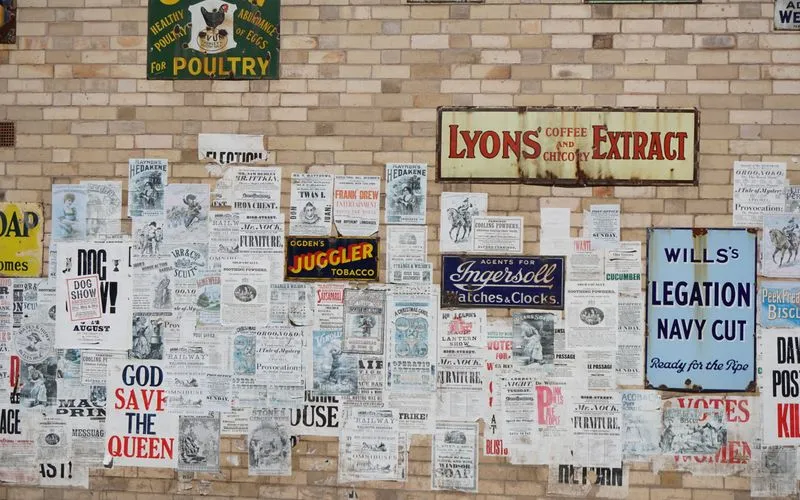
Native advertising in 2013 meant something more specific than the word suggests today. It was sponsored content built to match the look, tone and placement of the platform running it: BuzzFeed’s branded posts, Forbes BrandVoice columns, Facebook’s Sponsored Stories, Twitter’s Promoted Tweets. Each of those lanes worked differently, so building a strategy meant picking a lane first and building around its rules, not writing one generic plan and hoping it fit everywhere.
Pick the platform before you pick the format
Start by deciding where your audience spends attention. A B2B software company had little reason to chase a BuzzFeed listicle; a consumer brand with a young audience had little reason to pay for a Forbes column. Sharethrough, Nativo and the newer TripleLift were building exchanges for native units specifically because publishers wanted a way to sell sponsored placements without the format looking like a banner stapled to an article. Choose the platform your buyer is already reading, then let the format follow.
Write it like the publication, not like an ad
The publications that did native well in 2013 required sponsored posts to read like actual articles: a headline, a narrative, a point of view, not a pitch with a headline on top. Brands that handed their agency’s banner copy to a native slot got poor engagement and worse, they got skipped over by readers who could smell an ad from the first line. The bar was higher than display, and that was the trade: better attention in exchange for more editorial effort.
Handle disclosure honestly, before anyone asks
Labeling sponsored content clearly (“Presented by,” “Sponsored,” “Promoted by”) wasn’t yet locked down by formal federal guidance, but readers, journalists and the platforms themselves were already pushing back hard on native units that tried to pass as regular editorial content. Building trust with an audience you hope to sell to later meant disclosing the relationship plainly rather than testing how much you could blur it.
Test small before you commit budget
Native placements on major publishers weren’t cheap, and a single misjudged campaign could burn a quarter’s budget on one badly targeted post. The smarter approach was a small first buy, one platform, one piece of content, tracked closely, before scaling into a second placement or a second publisher.
Measure engagement, not just clicks
Click-through rate alone undersold what native advertising was good at. Time on page, scroll depth, social shares and (where available) branded search lift told a more honest story than clicks did, because native’s real value was attention and association, not just a redirect to a landing page.
What this looked like end to end
A mid-sized business building a native strategy from nothing in 2013 typically moved through five steps: identify where its audience read content, approach that publisher or ad network directly, write (or commission) content that could stand on its own as an article, disclose the sponsorship clearly in the placement and track engagement metrics rather than judging the campaign on clicks alone. None of that was exotic. It was closer to publishing than advertising, which is exactly why teams used to buying banners struggled with it at first.
Where native advertising was heading
By late 2013 the IAB was working toward a formal native advertising playbook to standardize definitions and disclosure norms across the industry, a sign that native was moving from an experimental format to something publishers and platforms wanted rules around. Businesses that got in early and built genuine editorial relationships with publishers had a real head start once that formalization arrived.
Native advertising rewarded the same instinct good publishing always has: know who you’re talking to, say something worth their time and be honest about who’s saying it. The platforms and dashboards will keep changing. That instinct won’t.
Read more on Paid Advertising, browse everything published in 2013 or see the Digital Business Marketing Awards.