
A Practical Guide to Retail Media
AI-generated ad creative tools are standard on major retail platforms, Walmart's connected-TV inventory is coming online and clean rooms are going mainstream.
Paid Advertising
Paid advertising strategy across search, social, programmatic and retail media: spend that turns into profit.
AI-generated ad creative tools are standard on major retail platforms, Walmart's connected-TV inventory is coming online and clean rooms are going mainstream.

How retail media matured in 2025: off-site expansion, AI-driven ad creative and the push for standardized measurement across a crowded field of networks.

Walmart's pending Vizio deal and Instacart's expanding ad tools show how fast retail media networks are maturing, and how to allocate a limited budget.

How Amazon Ads, Walmart Connect and a wave of new retail media networks reshaped ad budgets in 2024, and why brands started calling it the third pillar.
A step-by-step guide to launching a podcast advertising campaign in 2018: picking shows, choosing ad placement and setting up attribution.
The mistakes that undermined podcast ad campaigns in 2018, from skipping attribution setup to judging results after a single episode.

The business case for programmatic audio in 2017: what it costs against terrestrial radio, and where the real returns show up.
A decision framework for whether programmatic audio, on Spotify, Pandora and podcasts, made sense for your business in 2017.
The mistakes businesses made rushing into Messenger bots after Facebook's April 2016 platform launch, and how to run the channel properly.

An illustrative look at how a regional retailer used header bidding and private marketplace deals in 2016 to raise both yield and ad quality.
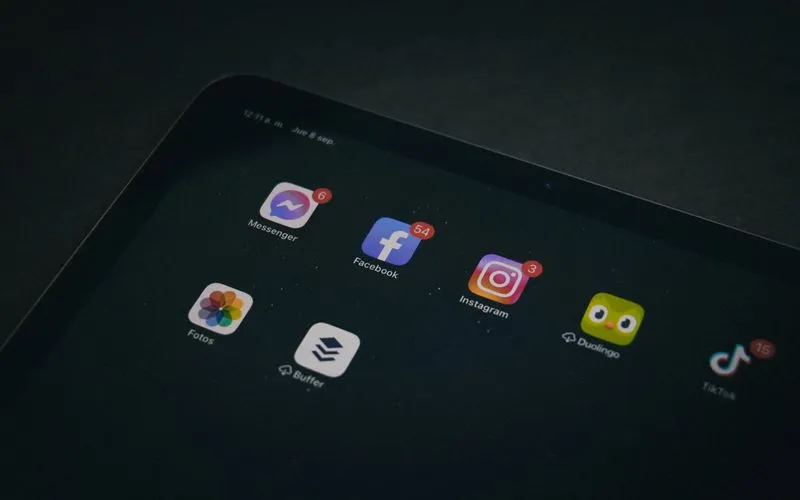
An illustrative look at how a small business used Facebook's newly opened Messenger platform in 2016 to handle support and drive repeat orders.
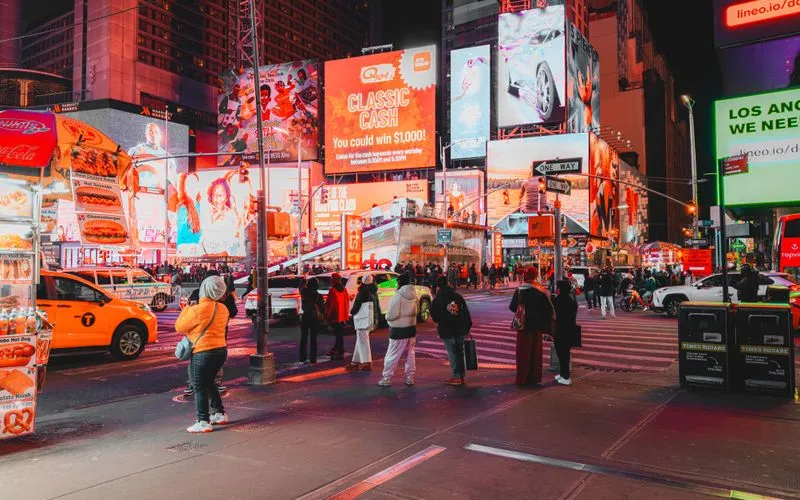
The developments that defined programmatic advertising in 2016, from header bidding's rapid adoption to mobile overtaking desktop volume.
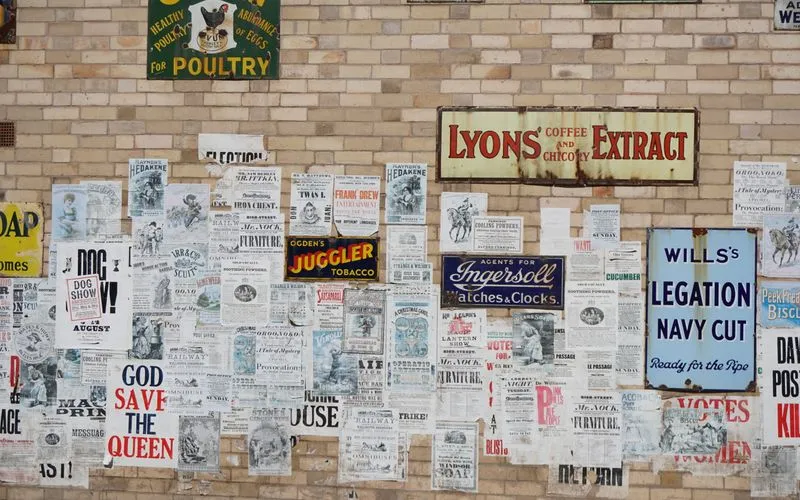
Native ad spending is booming, content recommendation widgets are on nearly every major publisher and the FTC has signaled formal disclosure rules are coming.
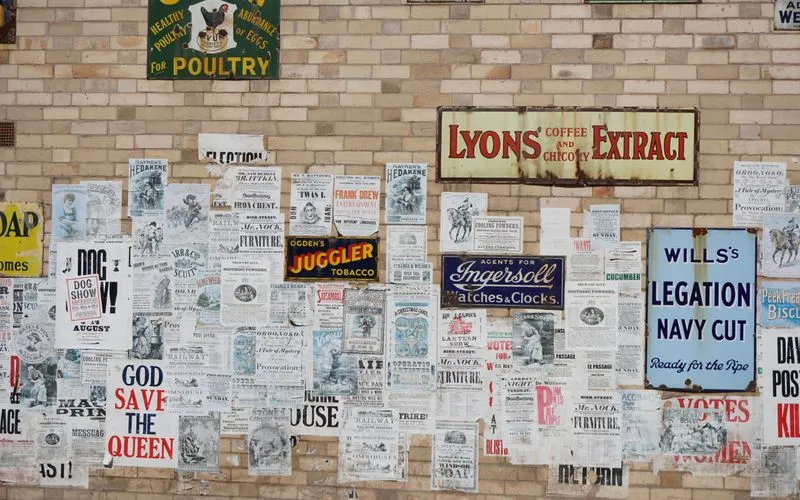
The developments that pushed native advertising forward in 2015, from Snapchat Discover to the first FTC guidance on disclosure.

An illustrative look at how one online retailer used segmented retargeting to recover abandoned carts in 2014, and what made the difference.
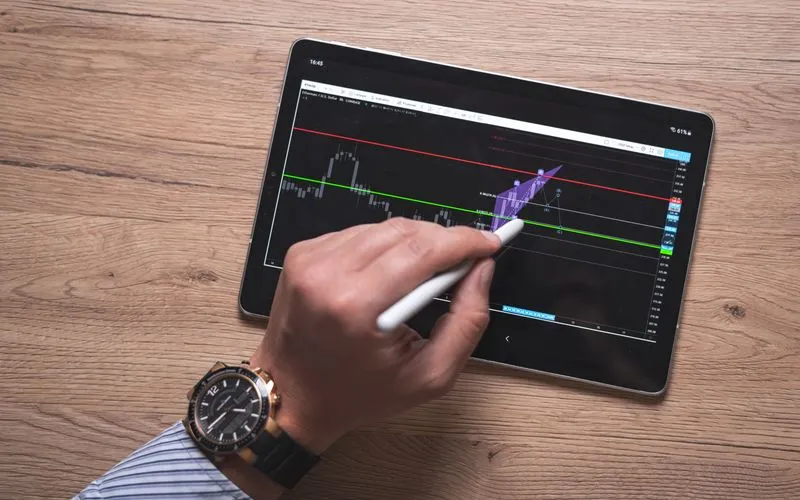
How real-time bidding auctions work under the hood: exchanges, DSPs, bid requests and the second-price auction that sets what you pay.

An operational playbook for running programmatic advertising in 2014: choosing a DSP, using data management platforms and buying beyond the open exchange.
With organic reach on Facebook Pages sliding fast, a paid social budget has gone from optional to necessary this year. Here's how to build a strategy from zero.
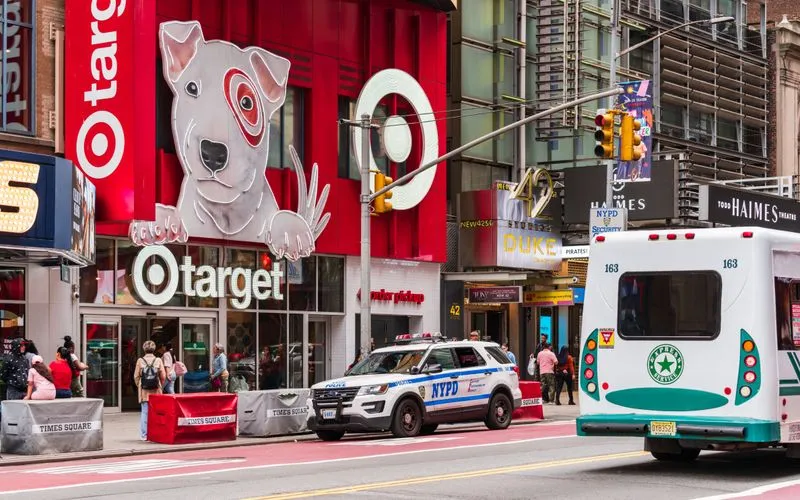
Five concrete developments that defined retargeting in 2014, from dynamic product ads to the early backlash over ad frequency.

A year-in-review look at how real-time bidding auctions reshaped display advertising in 2014, from private marketplaces to viewability standards.

Real-time bidding now moves a huge share of display dollars through automated exchanges, but a comScore study found over half of display ads are never seen.

A hands-on setup guide to remarketing in 2013: tagging your site, segmenting audiences, capping frequency and getting your first campaign live.
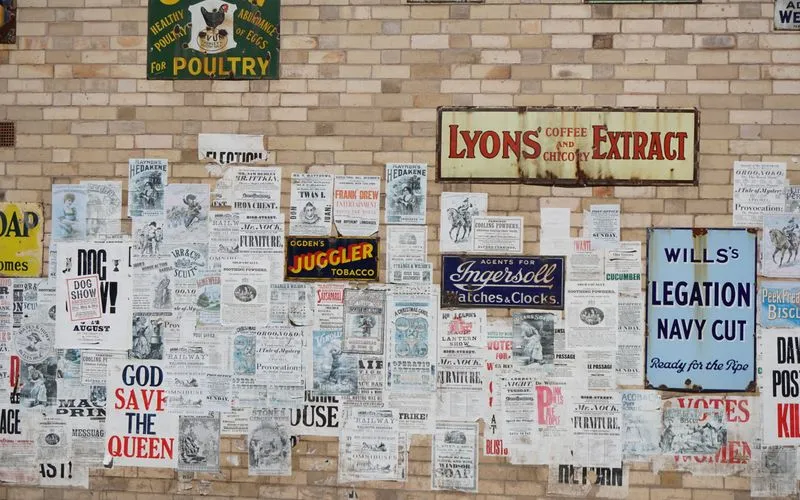
A step-by-step build guide to native advertising in 2013: picking the right platform, matching editorial voice, handling disclosure and measuring beyond clicks.
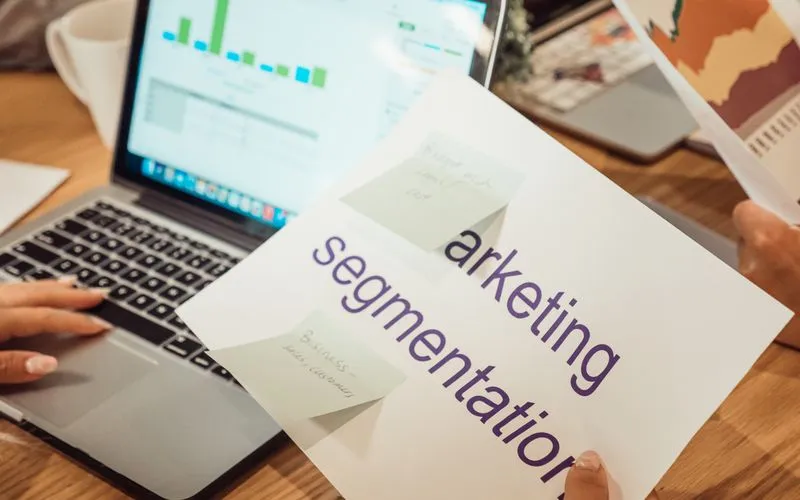
Where remarketing campaigns went wrong in 2013, from creepy over-frequency to sloppy list segmentation, and how to fix each one.
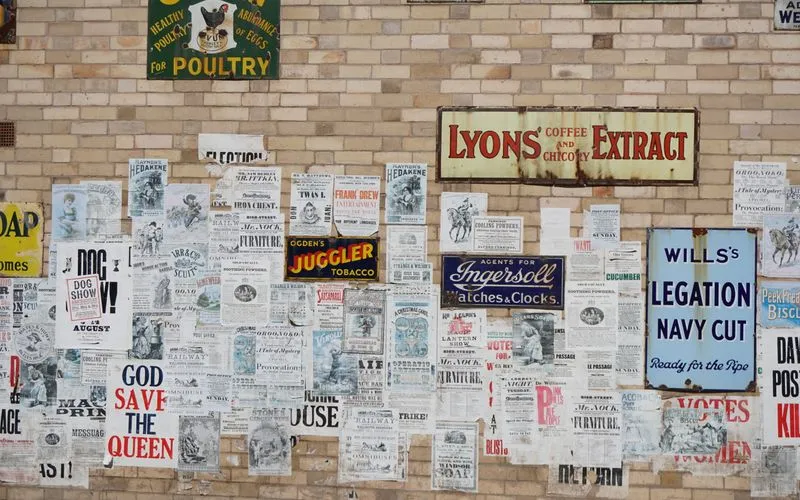
The native advertising mistakes that tripped up brands in 2013, from disguised ads to unmeasured campaigns, and what to do instead.
Seven Facebook advertising tactics built around 2012 launches: Custom Audiences, Facebook Exchange, Timeline for Pages and the post-IPO push into mobile.
Facebook just crossed 800 million users, and its ad platform lets you target by real demographic and interest data most other channels can only guess at.
A 2011 framework for deciding whether to advertise on Facebook, covering Sponsored Stories, Power Editor and the questions worth working through first.

The year search advertising split: Yahoo handed paid search to Microsoft, Google pushed into display through an acquisition and Google Instant changed search.

A working operator's routine for running a PPC account well: how to structure it, which tools handle bidding and the habits that keep accounts profitable.

A working playbook for retargeting in 2009, when it ran through third-party ad networks and cookie pools rather than a built-in Google or Facebook feature.
By 2009 Facebook had passed 300 million users and opened self-serve ads to any business, while Twitter's audience kept growing with no ad product of its own.

With budgets squeezed by the recession, marketers are turning to specialist vendors that follow visitors around the web and bring them back. Here's how.

Google's DoubleClick deal and automated ad exchanges are changing how display inventory gets bought, as a shaky economy forces advertisers to justify spend.

2008 closed the Google-DoubleClick deal, tested Facebook's Beacon into a lawsuit and shutdown, then hit a recession forcing advertisers to prove real return.

An illustrative 2007 scenario of a mid-size retailer moving from static banner buys to targeted, frequency-capped display advertising that moved the numbers.
Facebook Ads launched in November 2007 alongside Social Ads, Pages and the controversial Beacon tool. Here's what was available and why caution made sense.

A step-by-step guide to setting up a pay-per-click account in 2007, from keyword research through account structure, ad copy, landing pages and bid management.

2007's display advertising market was reshaped by acquisitions like Google-DoubleClick and Microsoft-aQuantive, plus the rise of rich media and pre-roll ads.
In early 2007 Facebook advertising meant Microsoft-sold banner inventory, not sophisticated targeting, but the growth curve was reason enough to pay attention.

2006 was the year pay-per-click advertising grew up: Yahoo's Panama overhaul, wider analytics adoption and click fraud settlements advertisers took seriously.

From Bill Gross's 1998 pay-for-placement search engine to Google's auction-based AdWords model, how pay-per-click became digital advertising's dominant format.

The pay-per-click mistakes that drained budgets in 2005, from unchecked click fraud exposure to bidding wars on broad match, and the fixes for each.
An illustrative look at how a publisher used the 2005 arrival of Yahoo Publisher Network to test running two contextual ad networks side by side.

An illustrative look at how an advertiser restructured an account around Google's new Quality Score in 2005 and cut cost per click without lowering bids.

A step-by-step build guide for launching a pay-per-click program in 2004, the year Google's IPO put search advertising's economics under wider scrutiny.
The recurring mistakes merchants made with affiliate programs in 2004, from unchecked cookie-stuffing to loose terms that let bad actors damage the brand.

Publishers and advertisers kept repeating the same avoidable errors with contextual ad networks in 2004, from click fraud to overly aggressive ad placement.

The costly, avoidable errors advertisers kept making with AdWords and Yahoo Search campaigns in 2004, from broad match bleed to ignoring conversion tracking.

By late 2003, affiliate networks had matured enough that the real question was how to use earnings-per-click data to find your best partners.

Contextual advertising, matching ads to content instead of a purchased placement, gave small advertisers a low-cost alternative to 2003's biggest ad networks.

The Yahoo-Overture deal, Google's auction refinements and the shift of small business budgets away from banner ads: what moved pay-per-click ads in 2003.
An illustrative look at how a small content publisher turned Google AdSense, launched in June 2003, into its first real revenue stream without a sales team.

A decision framework for 2003: whether to join an affiliate network or build your own program, and how to structure commissions so the right partners sign up.
A decision framework for evaluating contextual ad networks in 2003, from Google AdSense to smaller challengers like Kanoodle and where each fits your goals.

An operational playbook for running Google AdWords and Overture campaigns in 2003, from account structure through bid management and landing page matching.
A snapshot of how Google AdSense reshaped publisher revenue and contextual advertising in the second half of 2003, from launch through its fastest growth.

Banner click-through rates have collapsed from the 44 percent HotWired saw on its first one to a fraction of one percent today, as new sizes reshape what works.

Affiliate marketing has spent three straight years growing while online advertising overall contracted. Here's the market now that it's a mainstream channel.

How a small software company split its budget between Overture and Google's new quality-based AdWords auction, and what the split taught them.

Banner spending is stabilizing after two rough years, but the format recovering isn't the one that crashed: rich media replaced generic reach buys.
After the dot-com crash gutted ad budgets, affiliate marketing's pay-for-performance model became one of the few channels businesses could justify in 2002.

What's carrying over from 2001 and what's likely to change this year, from Overture's expanding deals to early signs Google may rework its own auction.

A decision framework for where to put your online advertising budget now that the market has pulled back and spending has to justify itself.

Affiliate marketing survived the dot-com crash better than most advertising, but bankruptcies and cookie fraud mean publishers must vet partners carefully.

Overture invented pay-per-click search, letting advertisers bid directly for placement. Here's how the bid-for-position model works and where it falls short.
How Google's year-old AdWords program prices, targets and ranks ads today, and why Overture's rival model is pushing the industry toward paying for clicks.
The year online ad spending fell for the first time, and why that shock pushed the whole industry toward accountability.

Why pay-for-performance affiliate programs kept growing in 2001 even as the rest of the online ad market shrank.

A snapshot of where keyword bidding stands three years after GoTo.com launched the model, and why it's outperforming the rest of the online ad market.
Before setting up an affiliate program, weigh what it costs, who it fits and where it quietly goes wrong. A decision framework for owners weighing it in 2000.

An operational playbook for running keyword-bidding campaigns on GoTo.com's syndicated network, from account setup through weekly optimization.

The ROI case for banner advertising now that click-through rates have fallen, and why reach still has measurable value even when clicks don't.
How a mid-sized online retailer moved from buying banner space site by site to running its display budget through an ad network instead.

How affiliate marketing works in 2000, from tracking links and cookie windows to how commissions get paid, for anyone launching a first program.

Seven concrete tactics businesses are using to get more out of keyword bidding on GoTo.com and its growing network of syndication partners.

A decision framework for whether banner advertising still deserves a place in your budget now that click-through rates have fallen under 1%.

A look back at what shifted in affiliate marketing over 1999: the networks that launched, the merchants that joined and what it meant for businesses watching.

How a small mail-order retailer used GoTo.com's new pay-for-placement model to outperform its banner ad budget in 1999.

Most 1999 banner campaigns underperform for the same avoidable reasons: wrong placement, wrong landing page, wrong metric. What we see most and how to fix it.

From Amazon Associates in 1996 to a full ecosystem of networks by 1999, the short history of how affiliate marketing became a standard way to sell online.

Why advertisers are quietly shifting budget away from banners and toward keyword bidding this year, and what's driving the change.

A small catalog spent $4,000 on banner ads in 1999 and nearly quit after a bad first week. What changed, and what it says about that year's banner economics.