The Rise of Live Streaming
From Justin.tv's early days through Twitch's rise and the March 2015 launches of Meerkat and Periscope, how live video became a mainstream marketing channel.
Live streaming reached the mainstream marketing conversation in 2015, but its roots go back further, and the path there explains why it arrived the way it did.
The earliest widely used general live-streaming platform was Justin.tv, launched in 2007 as a way for its founder to broadcast his own life continuously. The site never found a mass audience for lifecasting, but it noticed something else: a large share of its viewers were watching people play video games. In 2011, the company spun that audience off into its own product, Twitch, dedicated entirely to game streaming. Twitch grew fast enough that Amazon acquired it in August 2014 for roughly $970 million, a number that made a lot of marketers who had dismissed live video take a second look.
Twitch proved there was a real, sustained audience for watching things happen live rather than edited and polished. What it hadn’t proven yet was that ordinary businesses, not just gamers and their fans, could use the format. That changed in March 2015, when two apps arrived within weeks of each other. Meerkat launched first, debuting at SXSW in Austin and spreading quickly through the marketing and tech crowd already there in person. Twitter, seeing the same opportunity, launched Periscope shortly after and cut off Meerkat’s access to Twitter’s follow graph, a decision that shifted the audience toward Periscope almost immediately.
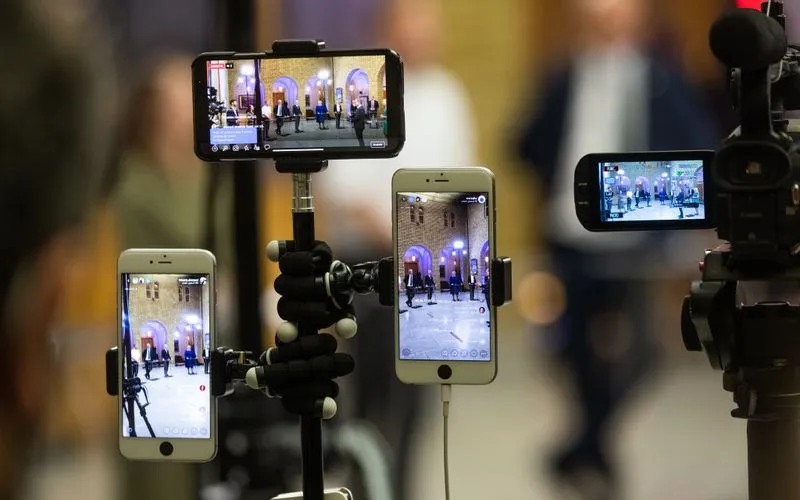
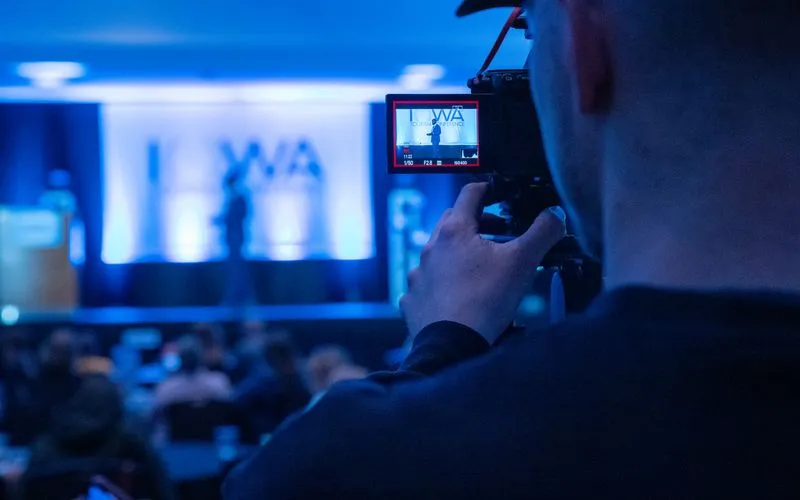
What made this moment different from Twitch’s rise wasn’t the technology, phones had been able to stream video for a while, it was the framing. Periscope and Meerkat presented live video as something anyone could do from a phone, with no production setup and no gaming niche required. A restaurant could stream a new menu tasting. A conference could stream a talk to people who couldn’t attend. A brand could run a live Q&A instead of a scripted webinar.
By the second half of 2015, the format had moved from novelty to a real tactic that marketing teams were testing deliberately, not just individual employees experimenting with a new app. The audience for any single stream was still small compared to a well-produced video, but the immediacy and the direct, real-time interaction was something pre-recorded content couldn’t offer.
The throughline from Justin.tv’s failed lifecasting experiment to Periscope’s SXSW debut is a lesson in itself: the audience for watching something happen live had existed for years. What changed in 2015 was that the tools to broadcast it finally fit in everyone’s pocket.