
How Creator Partnerships Changed Digital Marketing in 2024
TikTok's legal fight in the US pushed brands to hedge creator budgets across platforms in 2024, and long-term deals kept replacing one-off posts.
Social Media Marketing
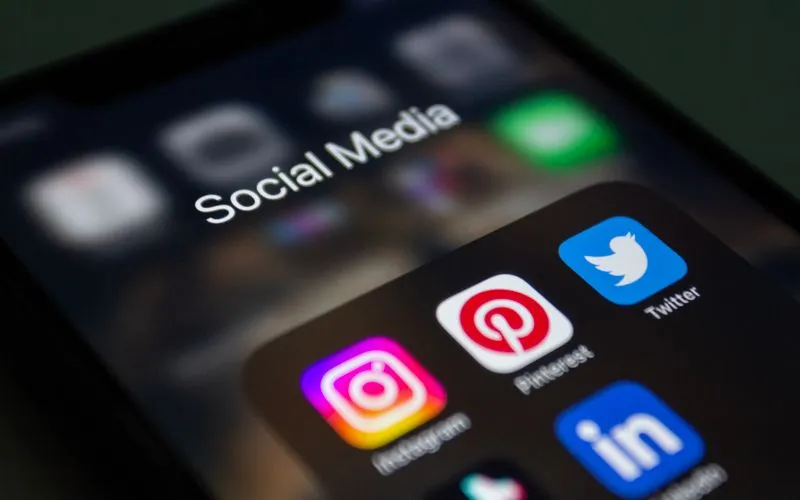
Social media marketing, influencers and community: reach engaged audiences where they already are.
TikTok's legal fight in the US pushed brands to hedge creator budgets across platforms in 2024, and long-term deals kept replacing one-off posts.

By 2024 creator partnerships moved beyond sponsorship deals into platform infrastructure: TikTok Shop, YouTube's revenue share and MrBeast-style owned brands.

A senior Google executive admitted young users often search TikTok before Google. Here's the actual business case for optimizing videos to be found there.

Measuring influencer marketing got harder after iOS privacy changes and a tighter ad market forced 2023 budgets to justify themselves.

By 2022 platforms had launched their own creator funds. Here's how brands adapted their partnership strategy to that changed landscape.
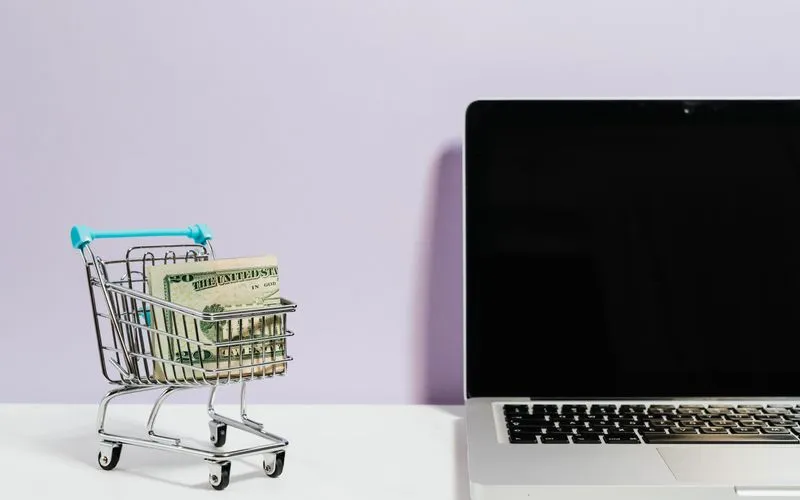
Social commerce didn't start with Instagram. It started with Chinese platforms years earlier, and that order explains why TikTok Shop is expanding as it is.
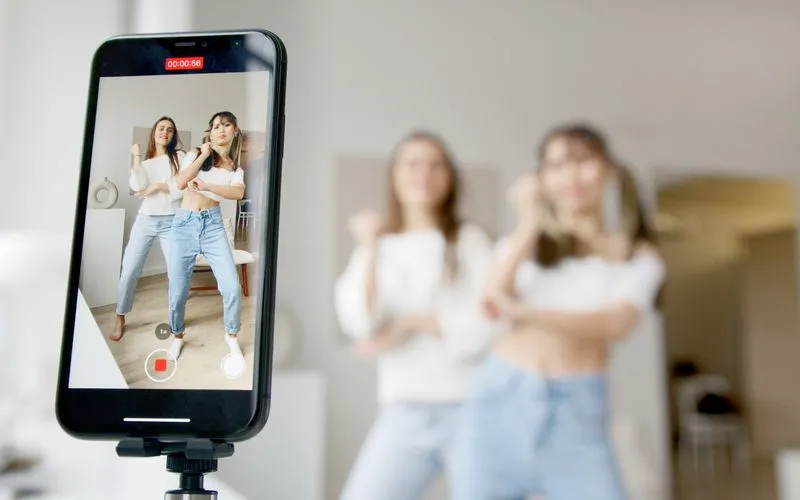
The specific shifts in influencer marketing during 2022: platform creator funds under fire, BeReal's rise and Reels chasing TikTok.
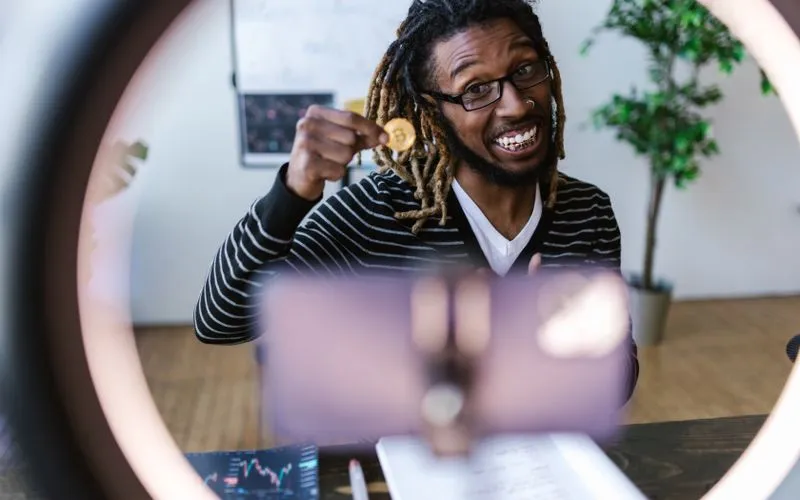
Creators now make money through at least six distinct mechanisms, and most brands only understand one of them. Here's how the whole system works.
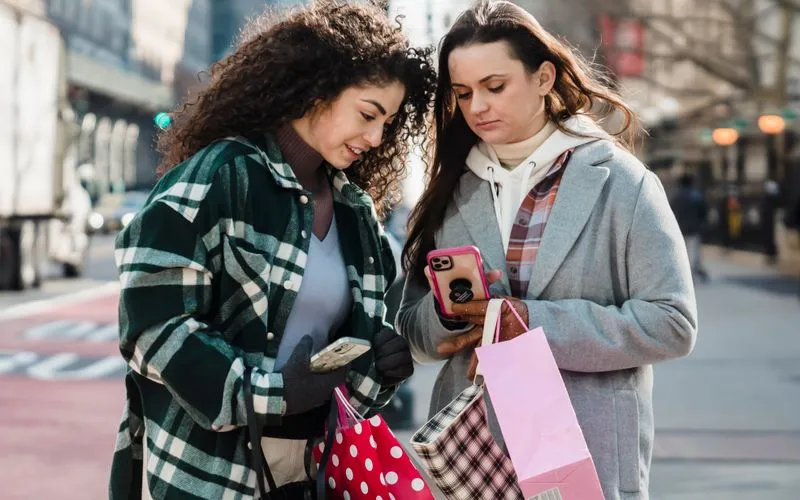
A step-by-step path to setting up in-app selling on Instagram and TikTok in 2022, from picking products to fixing fulfillment before it wastes the sale.
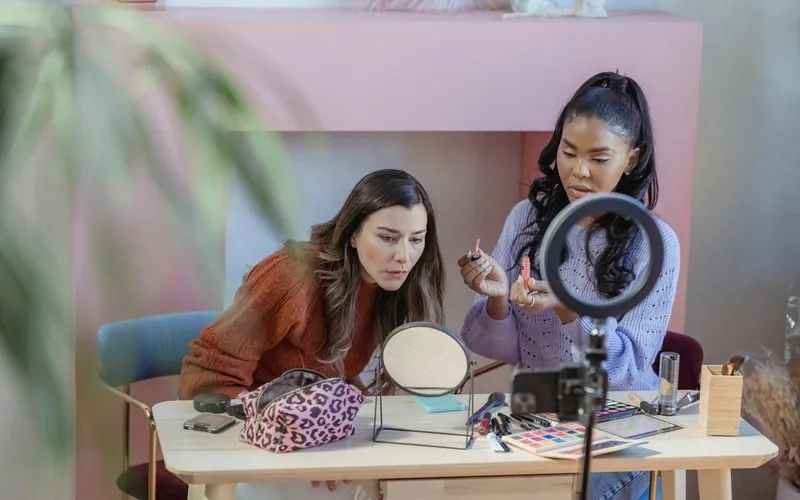
2021 rewired how brands work with creators: swipe-up links disappeared, Apple's privacy change made trust harder to fake and the FTC got much less patient.

Most branded communities are just audiences with a Discord server attached. What separates a real community from a broadcast channel, and how to build one.
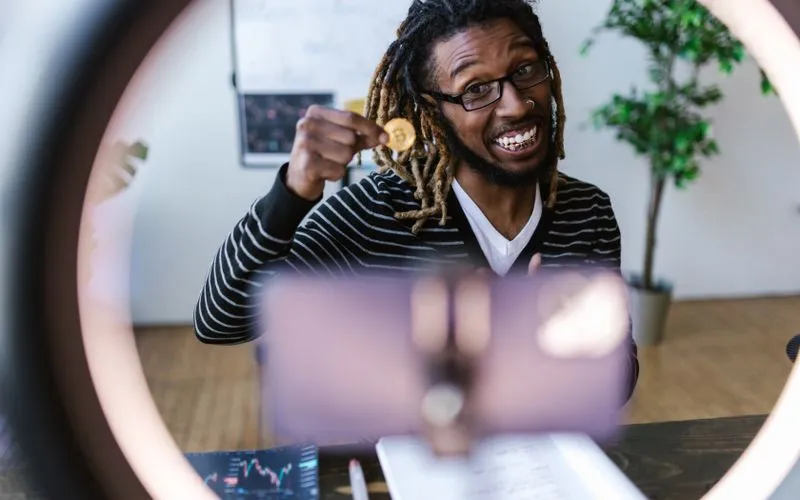
A snapshot of the specific developments that turned 'creator economy' from a niche phrase into a mainstream business story in 2021.
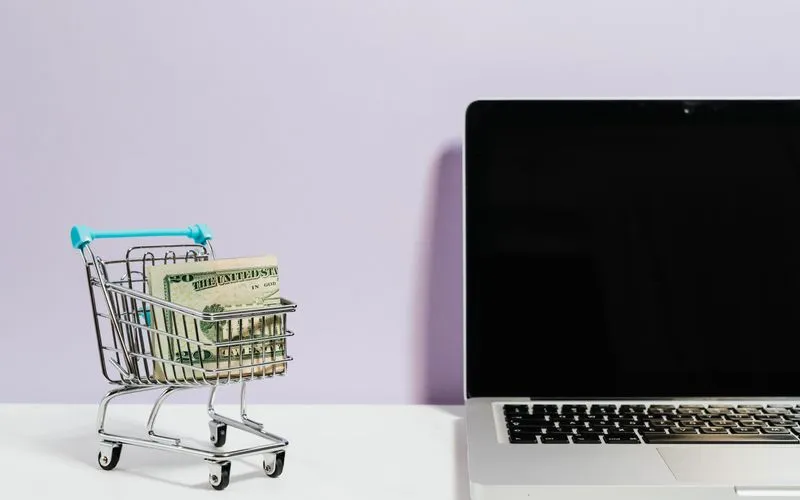
A step-by-step guide to setting up native shopping on Instagram and Facebook in 2021, from account setup to your first sale.
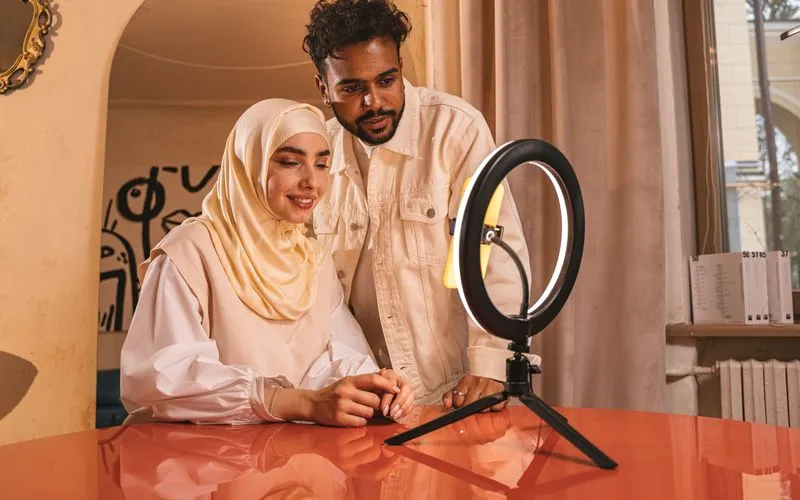
From mommy bloggers to Fyre Festival to the ambassador programs brands run today: the real history of how influencer marketing became influencer partnerships.

2021 was the year Clubhouse, Discord and paid newsletters pulled brand audiences out of public feeds and into private spaces.
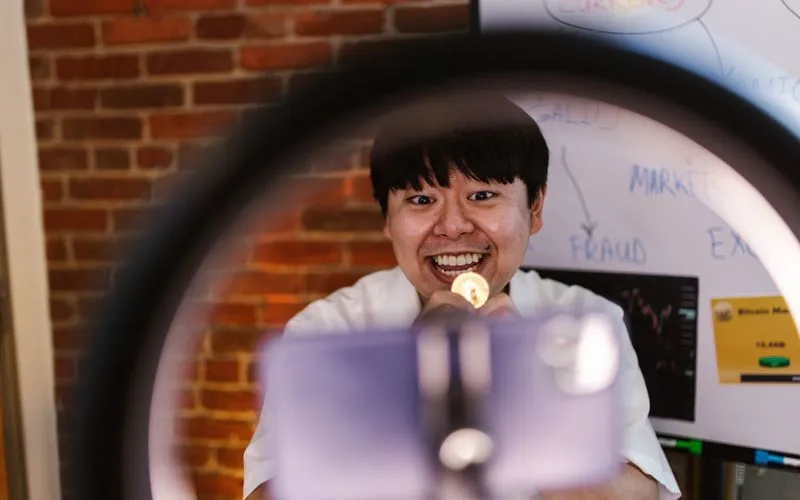
How brands built real partnerships with independent creators in 2021, the year Substack, Patreon and OnlyFans made creator monetization mainstream news.
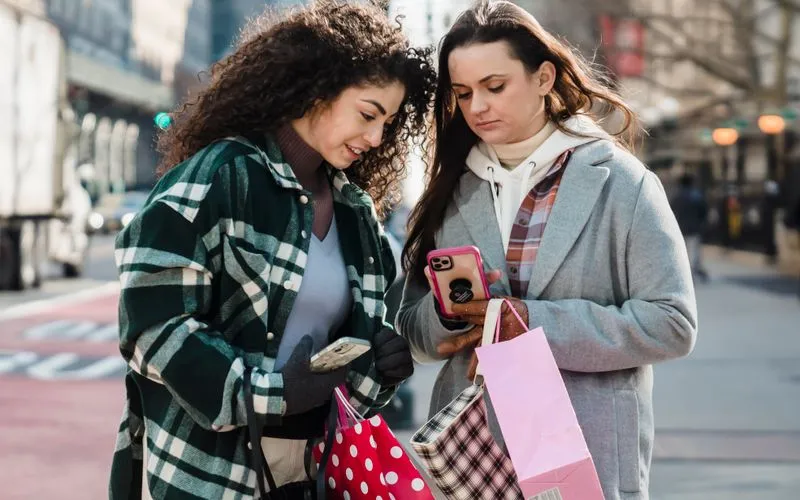
The mistakes that quietly sank in-app shopping setups on Instagram and Facebook in 2021, and how to fix each one.
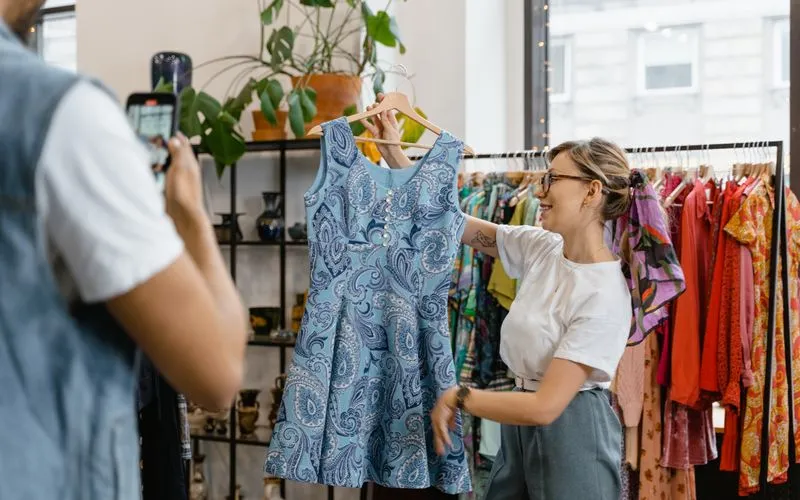
Live shopping is already a massive channel in China and it's now landing on Western platforms. Here's how the format works and what running one requires.

2020 was the year US retailers seriously tried livestream shopping, borrowing a model that was already huge in China, with mixed results.
TikTok is still young and its ad tools are unfinished, but the reach it offers for the cost is unlike anything else in 2019: the business case and the risks.
A step-by-step process for building a repeatable micro-influencer program in 2019, from finding creators to measuring results.
Nine concrete tactics for working with micro-influencers in 2019, beyond just sending free product and hoping for a post.
The recurring mistakes brands made with Instagram and Facebook Stories in 2018, and what to do instead.
How influencer marketing works in practice: what a brand pays for, how creator tiers differ in price and performance and where the FTC's disclosure rules apply.
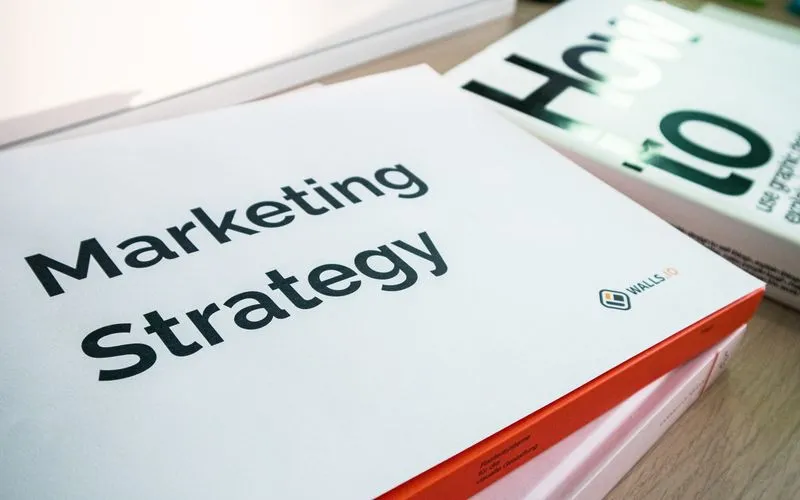
An illustrative 2018 case study of a small retailer using Instagram Stories, once polls, question stickers and swipe-up links had matured past pure novelty.
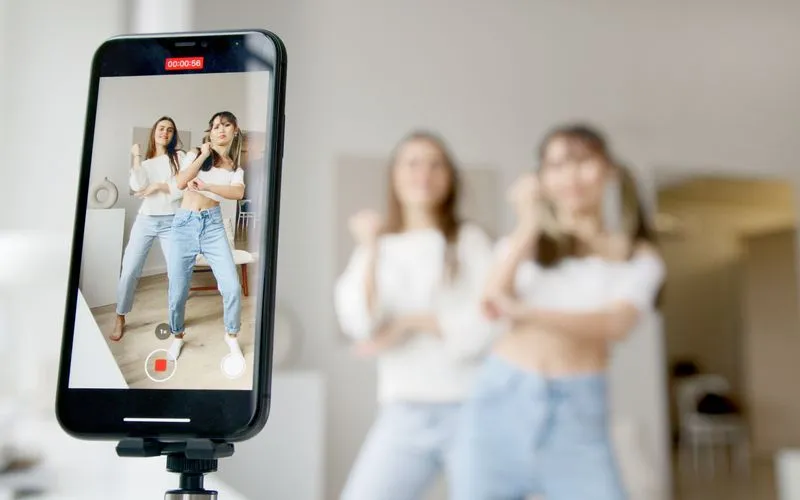
2018 was the year the FTC started enforcing influencer disclosure rules, and it forced the entire industry to grow up.
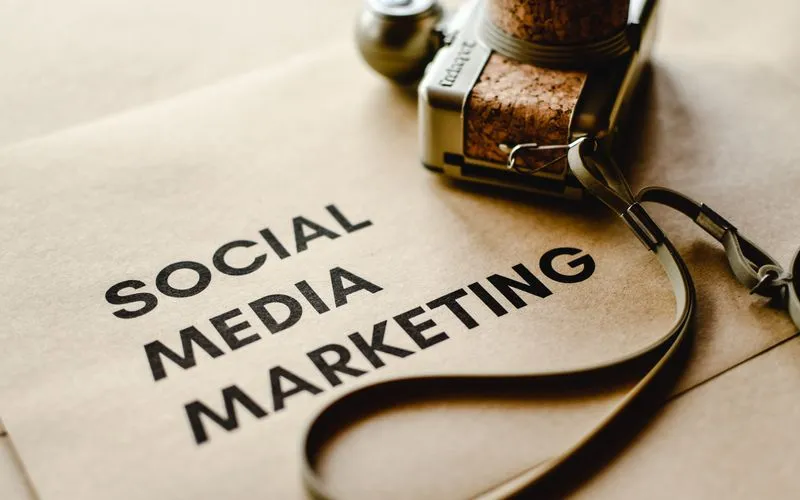
How the FTC's April 2017 warning letters and the Fyre Festival collapse forced influencer marketing to grow up, and what that meant for brands by mid-year.
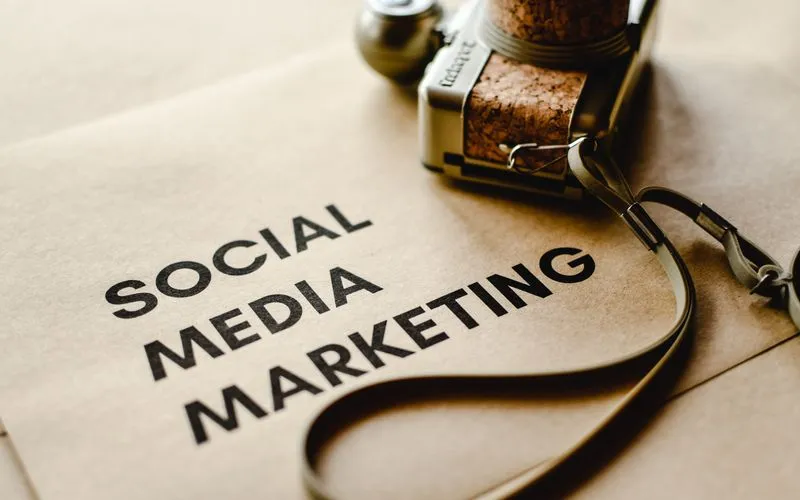
Why the ROI case for influencer marketing held up in 2017 even as disclosure compliance, pushed by the Lord & Taylor FTC case, became a real cost of business.

How Instagram Stories, launched August 2, 2016 as a direct answer to Snapchat, changed what brands posted in the second half of the year.
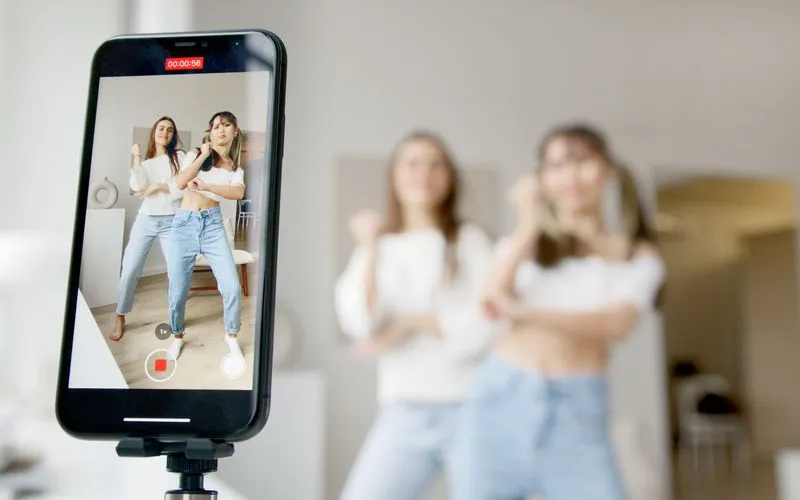
The 2016 cost-efficiency case for influencer marketing, as rising Facebook and Instagram ad prices pushed budgets toward creator partnerships instead.

An operational playbook for running Instagram Stories, the disappearing photo and video format Instagram built as its answer to Snapchat, day to day.
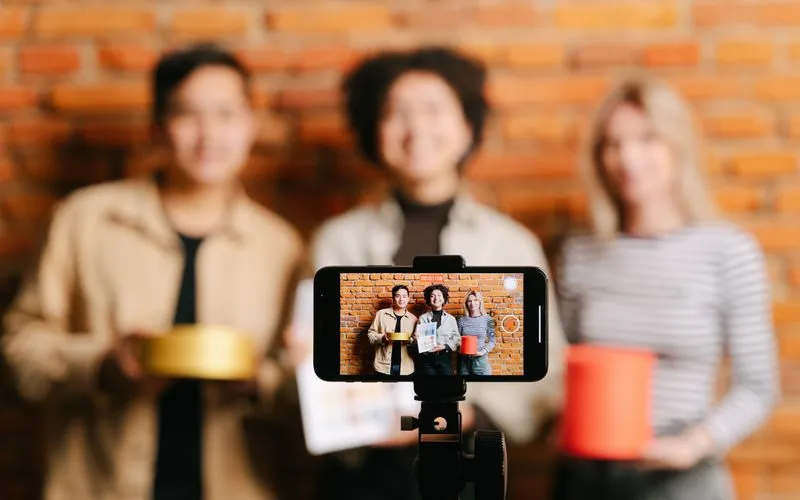
A 2016 decision framework for business owners weighing influencer marketing, covering budget realities, audience fit, measurement and disclosure obligations.
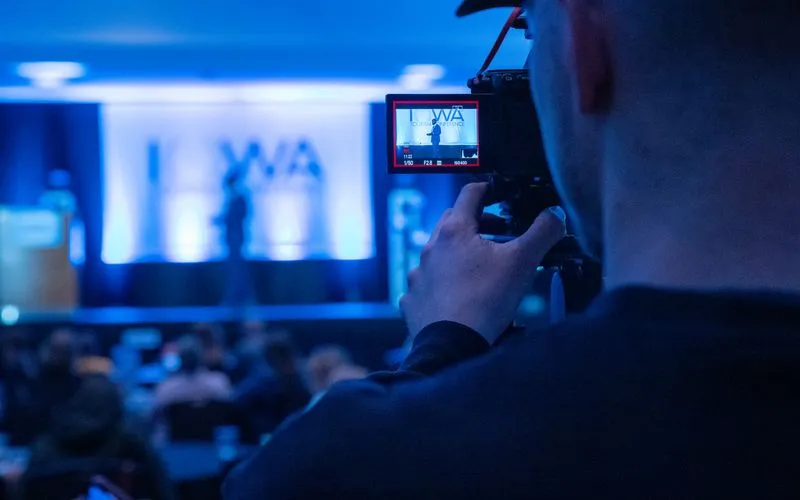
From Justin.tv's early days through Twitch's rise and the March 2015 launches of Meerkat and Periscope, how live video became a mainstream marketing channel.
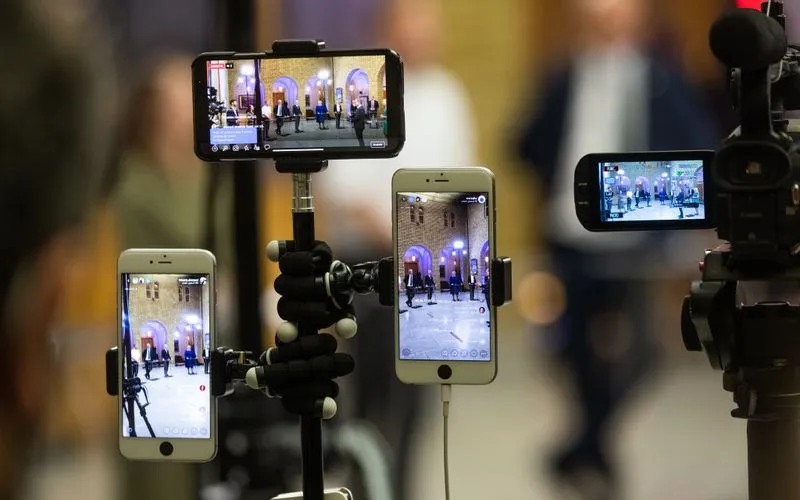
A practical 2015 guide to getting started with Periscope and Meerkat, both launched in March that year, for businesses new to live video.

A 2014 step-by-step guide to finding and pitching bloggers and early Instagram influencers, from vetting real engagement to staying inside FTC disclosure rules.
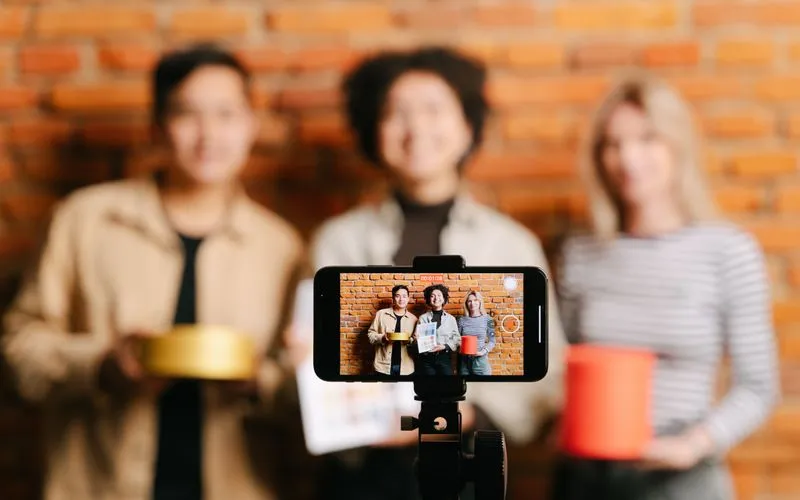
Six mistakes that undermined influencer outreach campaigns in 2014, from chasing follower counts to skipping FTC disclosure, and how to fix each one.
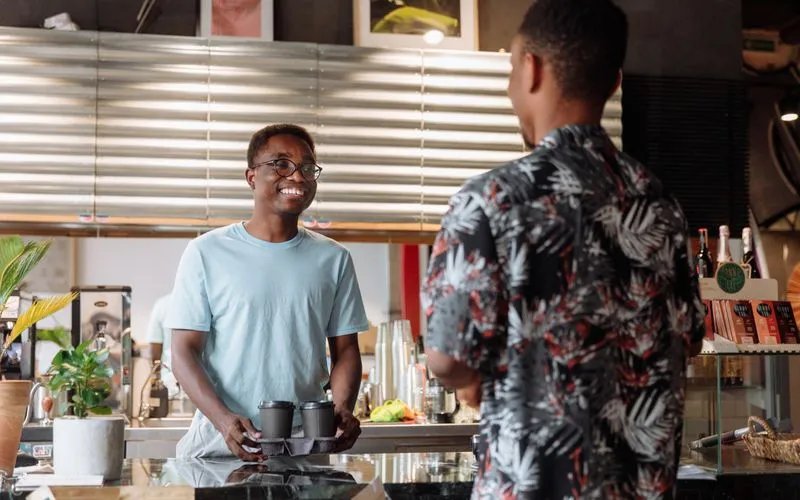
How customer support moved onto Twitter and Facebook between 2008 and 2013, from Comcast's early experiment to a standard part of doing business.
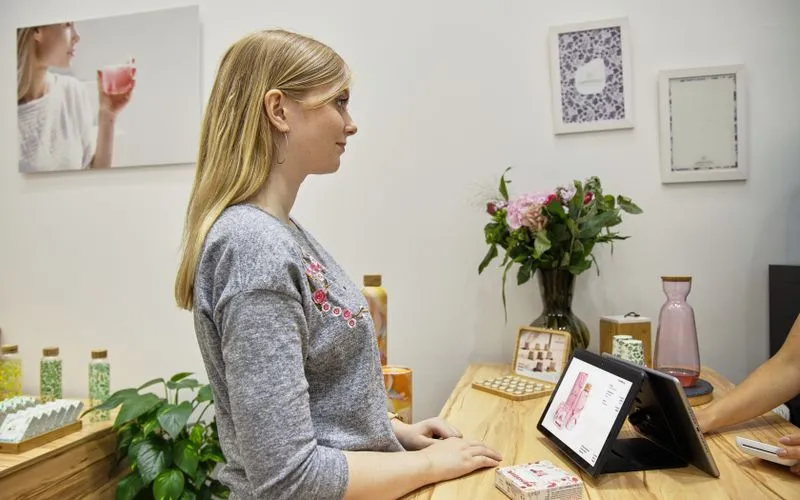
A step-by-step 2013 guide to setting up support on Twitter and Facebook, from choosing response time targets to training the team that answers.
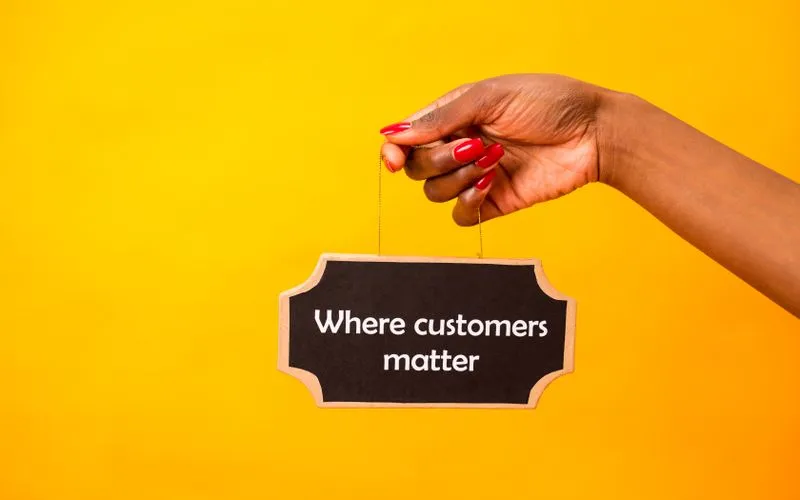
Twelve concrete ways small businesses used testimonials, reviews and third-party validation to earn customer trust in 2012, from Yelp to Pinterest boards.
A snapshot of how businesses were building trust online in 2012, from Pinterest's retail boom to Yelp's IPO and the rise of star-rating widgets.
Five real developments changed social media strategy in 2011, from Google's entry into the space to a design overhaul Facebook announced for every brand Page.
From Amazon's controversial 1995 decision to let anyone criticize a product to Yelp's near-monopoly on local search in 2011, how reviews became a fixture.
An operational playbook for running social media as a coordinated function in 2011: setting goals, assigning ownership and measuring results with real tools.
The first page of a Google search for your business name now doubles as your storefront window. Here is the financial case for managing what shows up there.
From a side project at a podcasting company in 2006 to a platform selling its first ads in 2010, the real timeline of how Twitter became a marketing channel.
A mechanics-level look at how Facebook, Twitter and YouTube worked for business in 2010, and how to pick platforms instead of running all of them at once.
A 2010 decision framework for how much a business should invest in monitoring reviews and mentions, built around what mattered that year on Yelp and Google.
A step by step process for setting up a Twitter presence in 2010, from choosing a voice to building a listening habit, with no prior experience assumed.
A year-in-review of 2010, when Facebook passed 500 million users, the Like button left Facebook's site and a viral Old Spice campaign rewrote real-time ads.
The 2009 ROI case for social media: what Dell, JetBlue and other early movers got back in sales and support savings, and what it cost them to find out.
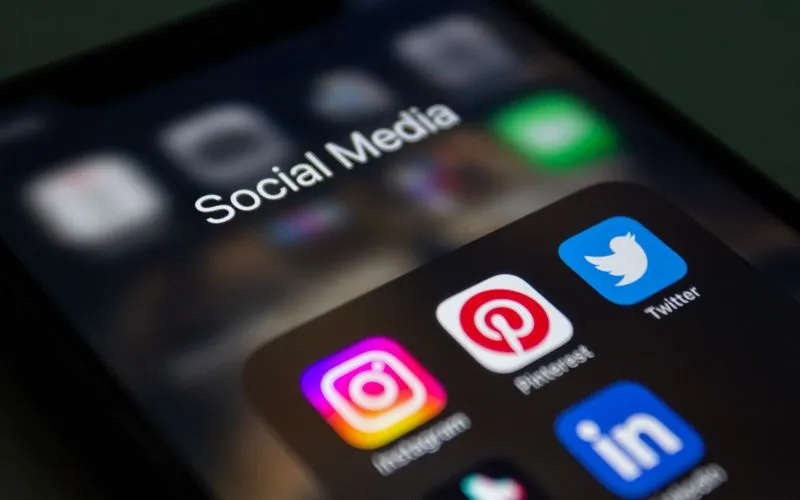
How Twitter works in 2009: the mechanics of tweets, replies, retweets and hashtags, and what businesses can do with them before any ad product exists.
A 2009 snapshot of online reputation management, from viral backlash reshaping how brands handled complaints to the first monitoring tools businesses used.
A decision framework for business owners weighing whether to invest time in Facebook and Twitter in 2009, and how to tell if your business is a fit.
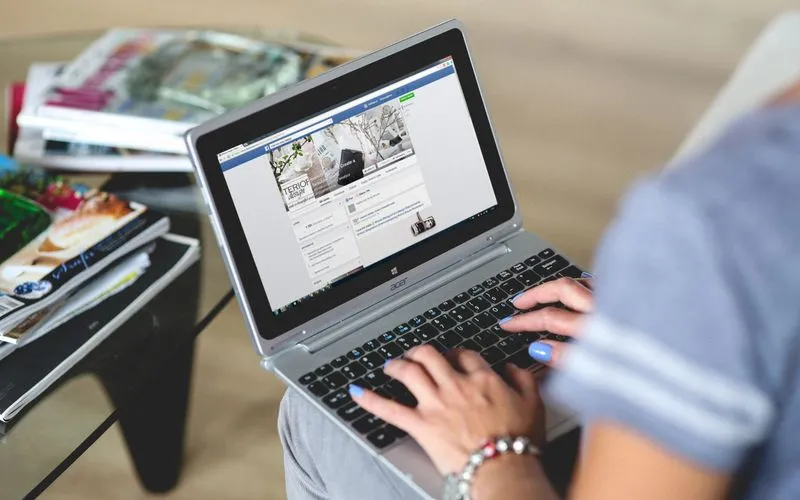
Facebook passed 300 million users in 2009 and opened Facebook Ads to any business with a credit card. Here's what that shift means for revenue, not just reach.
A look back at 2009, the year Twitter went from niche microblogging tool to a marketing and customer service channel that companies could no longer ignore.
A decision framework for whether a business should bother with Twitter in 2008, given how few customers were on it yet and how thin the tools still were.
A snapshot of social media in 2008: MySpace still ahead of Facebook in the US, Facebook's new ad platform and a campaign that changed what was possible.
A mechanics-first look at how Twitter worked for businesses in 2008, from its 140-character SMS roots to the few companies using it for support and sales.
Facebook opened its doors to businesses in 2007 and Twitter was still finding its footing in 2008. Here is the business case for paying attention now.
New mistakes are showing up now that Facebook has opened its platform to outside developers and businesses are racing to build apps and pages without a plan.
Twitter tripled in usage during SXSW this March. Here's how a business gets started on it now that it has a real, if still small, audience.
An illustrative look at how a small retailer could turn a modest MySpace and Facebook presence into steady, low-cost customer growth in 2007.
From a Santa Monica startup in 2003 to News Corp's 580 million dollar acquisition and the most visited site in the US, how MySpace got here.
How to allocate effort across MySpace, the still campus-only Facebook and YouTube in 2006 without spreading a small team too thin.
Twitter only opened to the public a month ago. Here's what its launch means for marketing, and why the honest answer right now is not much yet.
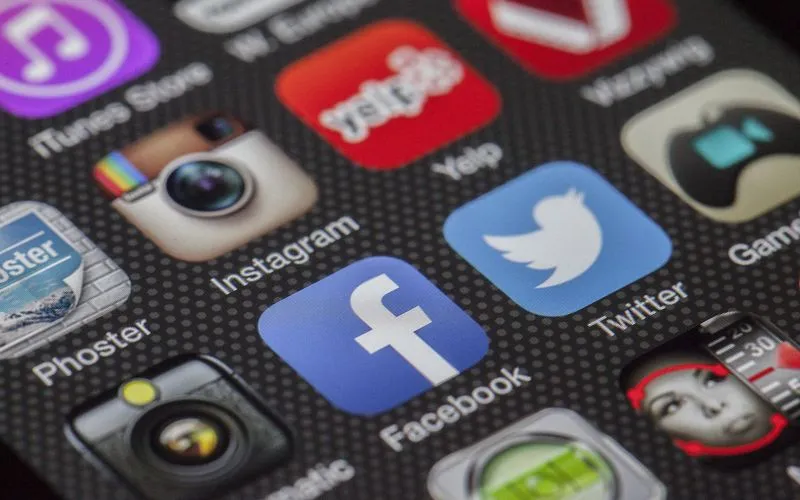
The business case for social networking in 2006, measured against what it costs to reach an audience this size through traditional media.
A step-by-step approach to building a MySpace presence in 2006, from profile customization to the Top 8 and band-page tactics that worked.
The specific ways businesses were misusing MySpace and the still campus-only Facebook in 2006, and what to do instead.
From an internal side project at a podcasting startup to a public service built around one question: what are you doing right now.
How Friendster, MySpace and the early professional networks worked in 2005, and the specific ways small businesses used them to build word of mouth online.
The year News Corp bought MySpace for 580 million dollars, YouTube was founded and social platforms stopped being a side project for marketers.
A decision framework for deciding whether Friendster, LinkedIn, Orkut or the new Thefacebook are worth a business owner's time in 2004.
Hands-on notes on Friendster, LinkedIn, Orkut and the newly-launched Facebook, and where a small business could reasonably spend time in 2004.
The year search results, eBay feedback scores and archived newsgroup posts started mattering more to a company's reputation than its own marketing copy.
How eBay feedback scores, Amazon reviews and Google's 2001 purchase of the Usenet archives turned online reputation into something businesses had to manage.