Common Messenger Marketing Mistakes (and How to Avoid Them)
The mistakes businesses made rushing into Messenger bots after Facebook's April 2016 platform launch, and how to run the channel properly.
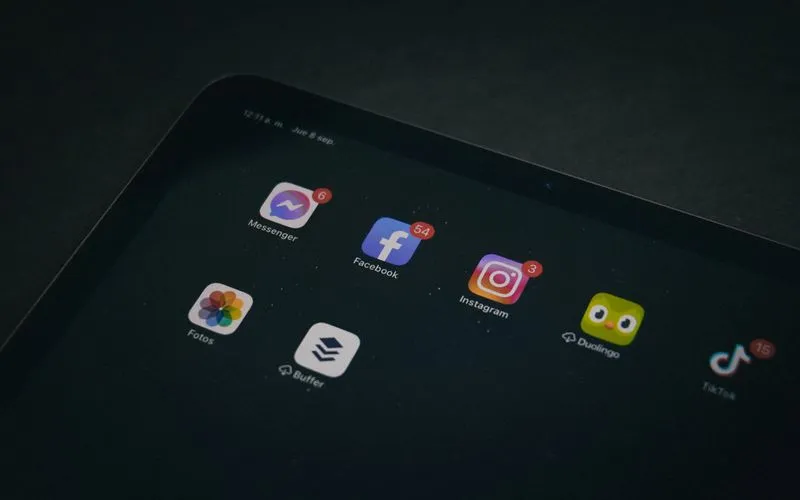
Facebook opened its Messenger Platform to businesses and bots at F8 in April 2016, and a wave of companies rushed to build something on it within months. A lot of that early experimentation was rough, and the same handful of mistakes showed up repeatedly across businesses that treated Messenger like just another broadcast channel.
Using it as a second email blast list
The most common mistake was treating everyone who’d ever messaged the page as a list to broadcast promotions to, the same way a business might treat an email list. Messenger felt more personal to recipients than an inbox they’d chosen to subscribe to, and unsolicited promotional messages there generated noticeably sharper pushback, including people blocking the page entirely, than the same offer would have gotten as an email or a feed post.
Ignoring the platform’s own messaging rules
Facebook built specific policies around when a business could message someone, generally tied to a window after the customer initiated contact, precisely to prevent Messenger from becoming a spam channel. Businesses that tried to work around those limits, or didn’t understand them in the first place, risked their bot access being restricted, which meant losing the channel entirely rather than just underperforming on it.
Building a bot with no path to a human
Automated replies handled simple, predictable questions well. They handled anything unusual badly, and a bot that trapped a frustrated customer in a loop of unhelpful quick-reply options, with no visible way to reach an actual person, did more damage to the relationship than not having a bot at all. The setups that worked always kept an obvious escalation path open.
Launching without a clear opt-in
Some businesses added messenger bot buttons to ads and pages without making it obvious to the customer what they were opting into, and were surprised when engagement was poor or complaints were high. Being explicit about what kind of messages someone would receive, and how often, up front, set expectations that made the ongoing relationship work better.
Treating every question the same way
A bot that answered “what are your hours” perfectly could still handle “I never received my order” terribly if it wasn’t built to recognize the difference in urgency and complexity. Businesses that mapped out their most common customer questions in advance, and built distinct paths for routine versus urgent ones, avoided a lot of the frustration that came from a one-size-fits-all flow.
Measuring the wrong thing
Some early adopters measured success purely by number of bot conversations started, a vanity metric that said nothing about whether those conversations resolved anything or led anywhere useful. The businesses getting real value tracked resolution rate and, where relevant, conversion from a triggered message, not raw volume.
The underlying pattern
Every mistake here comes back to the same root cause: treating a new, more personal channel with the habits built for an older, broader one. Messenger marketing worked in 2016 for businesses willing to build something narrower, more responsive and more respectful of the platform’s rules than their existing broadcast marketing, not for businesses that just pointed their usual promotional cadence at a new inbox.
More from Paid Advertising, the 2016 archive or the Digital Business Marketing Awards.