A Practical Guide to Live Shopping
Live shopping is already a massive channel in China and it's now landing on Western platforms. Here's how the format works and what running one requires.
China’s live shopping market has spent the last few years producing sales numbers that are hard to believe until you watch a stream. Hosts like Viya and Li Jiaqi routinely move tens of millions of dollars of goods in a single Taobao Live broadcast, and Alibaba’s Singles Day event now leans on livestreaming as a core selling mechanism rather than a novelty add-on. That model is now arriving, in an earlier form, on Western platforms: Amazon Live launched last year, Instagram added Checkout in March and Facebook has been testing live shopping formats through the pandemic months as brick-and-mortar retail struggled to stay open. It’s worth understanding the mechanics now, before the tooling matures.
What happens in a live shopping broadcast
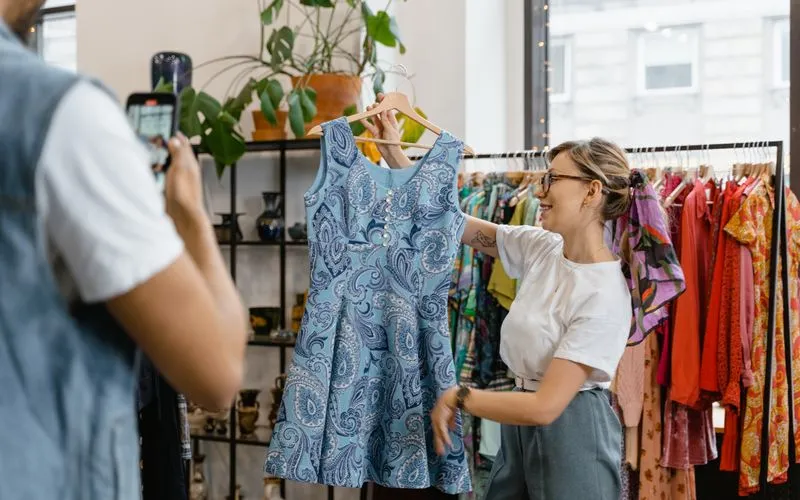
A host, sometimes a brand employee, sometimes an outside creator, presents products on camera in real time. Viewers watch, ask questions in a live chat and can buy without leaving the stream, usually through a product tag or a link that opens a checkout overlay. The broadcast typically runs long, an hour or more, and moves through a set list of products with limited-time pricing or bundle deals attached to create urgency.
Why the format converts
A live stream answers questions a product photo cannot: how does the fabric move, what does the device sound like, does the color match what’s advertised. That’s the same job a good salesperson does in a physical store, at a scale no salesperson can match. The live chat adds a second layer: a viewer’s specific doubt gets answered in real time by the host or by other viewers, which does more to resolve hesitation than any amount of written copy. Layer in a time-limited discount and you get the closest thing to an in-store impulse purchase that ecommerce has produced.
What it requires that a normal product post doesn’t
Running one well takes more than pointing a phone at a shelf. A host who can talk for an hour without going flat matters more than almost anything else; a dull host kills conversion no matter how good the product is. The stream needs a loose script covering which products go when and what the offers are, but it also needs room for the host to answer chat questions rather than ignore them, because the interaction is the point. And the broadcast needs an audience waiting when it starts, which means promoting the event beforehand rather than hoping the platform surfaces it organically.
Where it fits and where it doesn’t
Products that benefit from demonstration, being worn, used, applied or assembled, are the strongest fit: beauty, apparel, home goods, gadgets, food. A commodity item that needs no explanation gains little from a live format. Complex, considered purchases, enterprise software, financial products, don’t suit the format either; nobody buys those on impulse during a chat window.
Measuring whether a stream worked
The number that matters most is conversion during the stream itself, not just viewership, because a well-attended stream that sells nothing has failed regardless of the audience size. Beyond that, sales per stream, average order value and how many buyers are new versus returning tell you whether the channel is expanding your customer base or just serving people who were going to buy anyway.
Starting point
Given how early this format still is outside China, the sensible move is a small test on whichever platform already has a live shopping feature and your existing audience: confirm the product suits demonstration, find a host who can carry an hour of airtime, promote the date in advance and make the purchase path as short as possible once someone decides to buy. The brands that get comfortable with this format now, while it’s still unfamiliar to most competitors, will have a real head start once it becomes as normal here as it already is in China.