Marketing in a Crisis: What Every Business Needs to Know
A decision framework from 2020: when to pause a campaign, when to keep running it and how businesses decided what to say once the playbook stopped working.
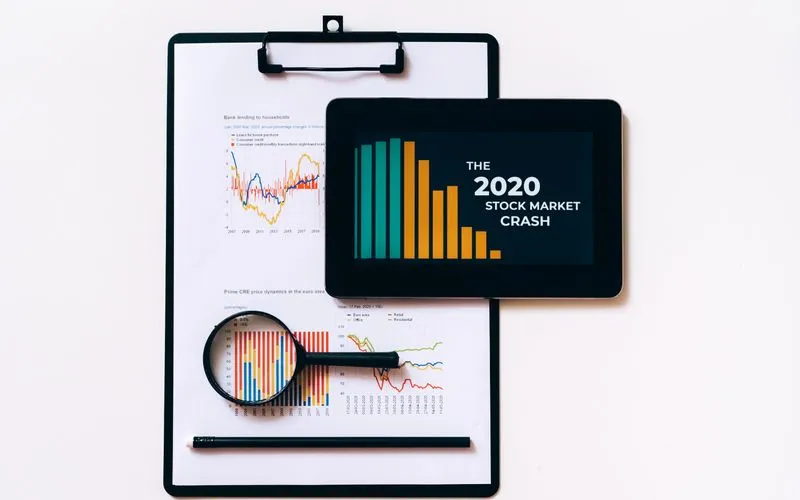
Looking back at the full year, the businesses that handled marketing through the pandemic well weren’t the ones with the cleverest campaigns. They were the ones that made a small number of decisions early, about what to pause, what to keep running and how to talk about the situation at all, and revisited those decisions regularly instead of setting a policy in March and leaving it unchanged for nine months.
Deciding what to pause
The first decision most businesses faced in March was whether to pause scheduled campaigns outright. A number of brands pulled paid social spend almost entirely in the first weeks, partly out of genuine uncertainty and partly because pre-scheduled creative, built weeks earlier around normal life, suddenly read as out of touch. The businesses that handled this well used a simple test: does this specific piece of content assume something about daily life that’s no longer true right now. Content that didn’t reference travel, gatherings or in-person routines often didn’t need to change at all. Content that did needed either a rewrite or a pause, not a blanket freeze on everything.
Deciding what to keep running
Pausing everything felt safe but wasn’t free. Businesses that went fully dark for weeks lost visibility and, in some cases, had to rebuild awareness from a lower base once things stabilized. The better approach separated messaging from mechanics: the tone of ads and emails needed rethinking, but the underlying targeting, bidding and testing infrastructure mostly didn’t need to stop. Businesses that kept a reduced but active presence, with updated, situation-appropriate creative, generally recovered faster than ones that shut everything off and had to restart from scratch months later.
Deciding how to talk about the situation
By the second half of the year, audiences had grown tired of every brand referencing the crisis directly, and businesses had to recalibrate how much to say versus how much to simply demonstrate through action, updated policies, flexible terms, actual changes to product or service, without narrating every one of them as a crisis response. The businesses that read this shift correctly moved from explicit acknowledgment in the spring toward quieter, more practical communication by fall: what’s changed, what customers can expect, without reopening the framing every single time.
Building in a regular checkpoint
What separated businesses that navigated the year well from ones that struggled wasn’t a single good decision in March. It was a habit of checking in every few weeks: is our messaging still accurate, has customer sentiment shifted, is the offer we’re leading with still the right one. Circumstances changed several times over the course of the year, reopenings, new restrictions, shifting consumer confidence and a plan set once in the spring and never revisited quietly went stale by summer even if nobody noticed right away.
The framework, distilled
Three questions covered most of what mattered: does this specific piece of content or messaging still reflect reality, is there a way to keep the underlying marketing engine running even while creative changes, and when did we last check whether our current approach still fits the moment. Businesses that kept asking those questions through the year adjusted faster and, in a lot of cases, ended up in a stronger position with customers than they’d started in, not despite the disruption but because they handled it visibly and consistently rather than freezing or overcorrecting.