
Why Omnichannel AI Matters for Your Bottom Line
Why coordinating channels with AI shows up directly in retention and revenue, not just experience scores and where most omnichannel efforts break down.
Marketing Strategy
Digital marketing strategy and fundamentals: positioning, planning and disciplined execution that drives growth.
Why coordinating channels with AI shows up directly in retention and revenue, not just experience scores and where most omnichannel efforts break down.

2025 was the year sustainability marketing got quieter, as regulators cracked down on vague claims and brands learned to say less but prove more.

The line between a defensible environmental claim and a greenwashing headline comes down to specificity and evidence. Here's how to stay on the right side.

A step-by-step build guide for a customer retention program in 2024: what to measure first, which lifecycle emails to build first and how to sequence the work.

As AI-generated content flooded feeds through 2023 and 2024, audiences got better at spotting polish and rewarding brands willing to look unfinished.

A step-by-step approach to building a customer experience strategy for a business that has never had one, from mapping the journey to assigning real ownership.

Nine concrete ways to get more from a marketing budget in 2023, from fixing attribution to cutting tool overlap, in the order they pay back.

ChatGPT is still less than a year old, and most marketing teams are figuring out where it helps versus where it creates more risk than it saves in time.

Nine customer experience mistakes that keep showing up in otherwise well-run businesses, why each one happens and the specific fix for it.
Google's own executives said younger users are searching on TikTok instead of Google, and by 2023 businesses had to decide whether that applies to them.

After a year of tech layoffs and rising interest rates, 2023 marketing budgets got measured against a much harder question: does this pay for itself.

How buying through chat and messaging works, from WhatsApp catalogs to AI-assisted recommendations, and where it reduces friction versus where it's a gimmick.
The actual math behind why keeping a customer costs less than winning one, how CAC climbed after Apple's tracking changes and where retention spend pays back.
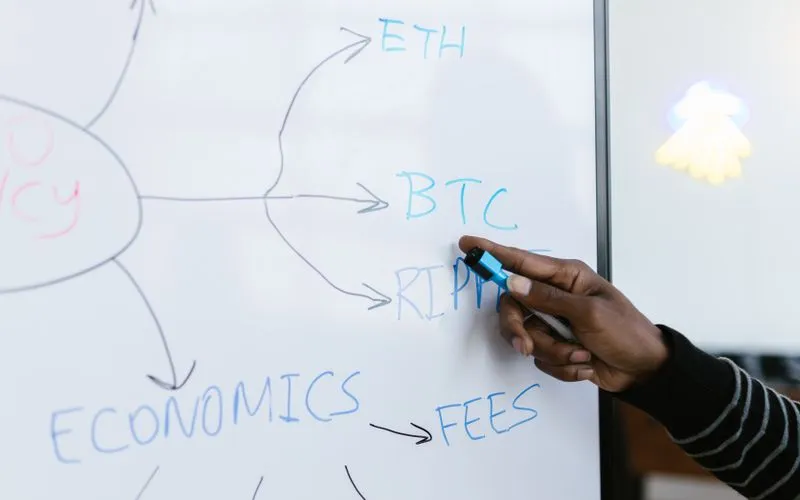
Web3 marketing went from Super Bowl NFT ads to a much quieter conversation by late 2022, as Terra, Celsius and Three Arrows Capital collapsed one after another.

Seven approaches that drove results on TikTok in 2022, from Spark Ads and creator partnerships to treating the platform as a search engine for younger users.
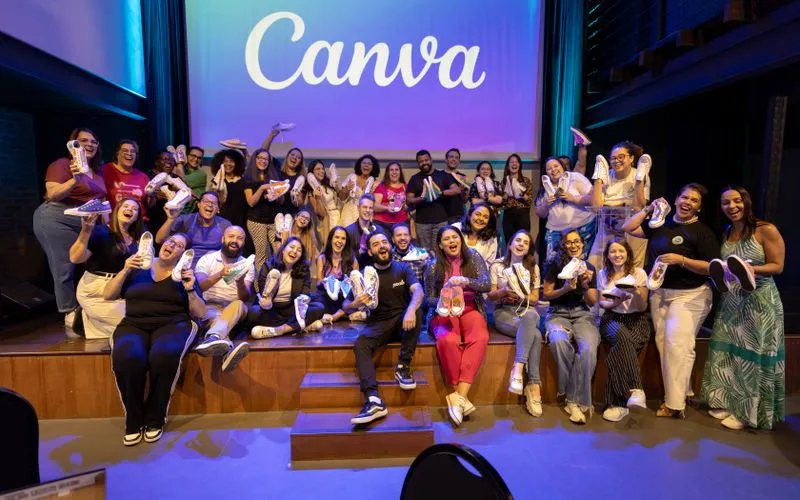
Why 2022 pushed brands toward owned communities on Discord and elsewhere, as rising ad costs and privacy changes made rented audiences more expensive.

How buying and selling moved into chat windows, from Chris Messina's 2015 prediction to WhatsApp catalogs and Messenger bots becoming standard retail tools.

Why rising ad costs, inflation and privacy changes pushed marketing budgets away from acquisition and toward keeping existing customers in 2022.

What NFTs, token gating and blockchain-based loyalty do differently from a normal rewards program, and how to tell a genuine Web3 mechanic from a cash grab.

TikTok crossed a billion monthly users heading into 2022 and launched TikTok Shop, forcing brands to decide whether it was an experiment or a core channel.

How 2021 forced marketers to rebuild customer experience around first-party data and cross-channel service, as Apple's tracking changes hit all at once.
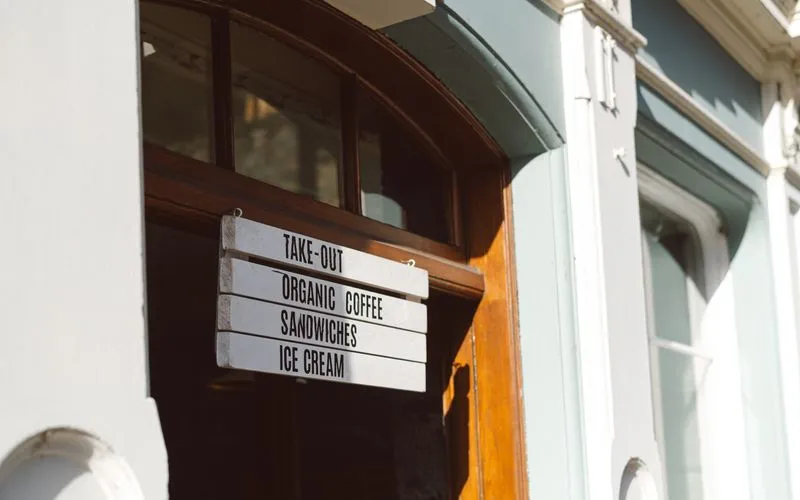
Curbside pickup started as an emergency workaround in 2020 and stuck around because it solved a real problem. How the model works and how to market it well.
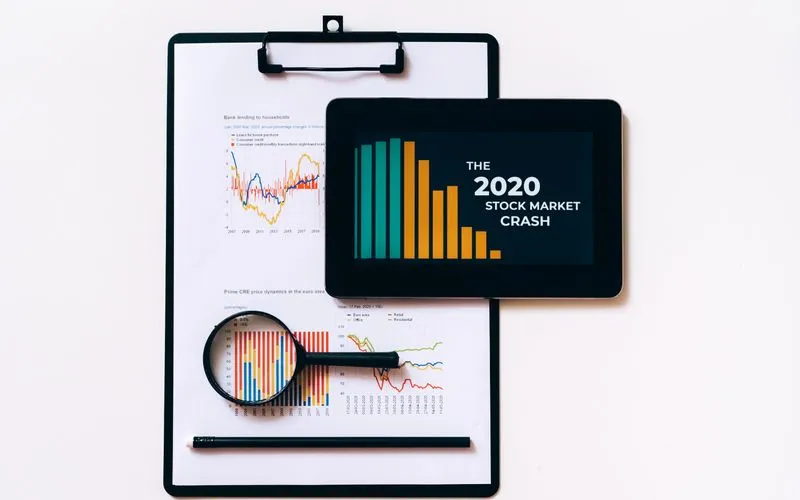
A decision framework from 2020: when to pause a campaign, when to keep running it and how businesses decided what to say once the playbook stopped working.
A year-end look at how local businesses adapted in 2020: curbside pickup, delivery app growth, Google's listing changes and platforms opened to small merchants.

The year TikTok exploded in the US: lockdown-driven growth, the self-serve ad launch, the Oracle deal, ban threat and viral moments that pulled brands in.

The empathy-messaging mistakes that piled up through 2020, from the overused unprecedented-times opener to guilt-driven upsells, and the simple fixes for each.
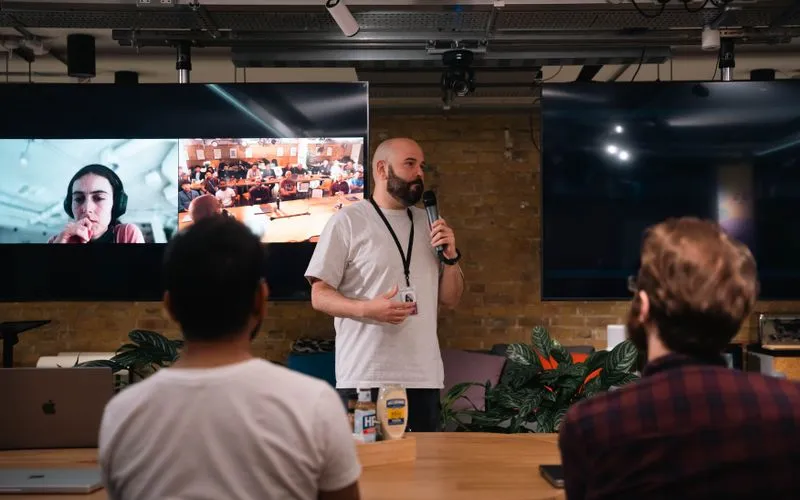
How virtual events worked in 2020, from platform choice through registration and engagement to follow-up, once Zoom and rivals became default infrastructure.

Marketing teams went remote overnight in 2020, and replicating office habits over video calls didn't work. What did: async by default and output over hours.

2020 forced years of e-commerce growth into months for many businesses. How to scale online sales fast without a foundation that collapses once demand fades.

The 2020 business case for digital transformation: what closing storefronts and shifting demand cost businesses that had put cloud and online ordering off.
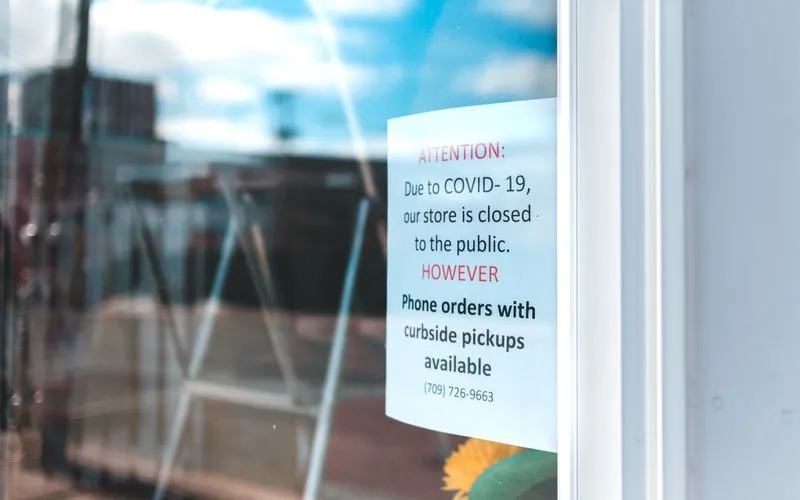
How curbside pickup went from a niche convenience to standard infrastructure in 2020, and what it meant for local SEO, inventory visibility and text marketing.
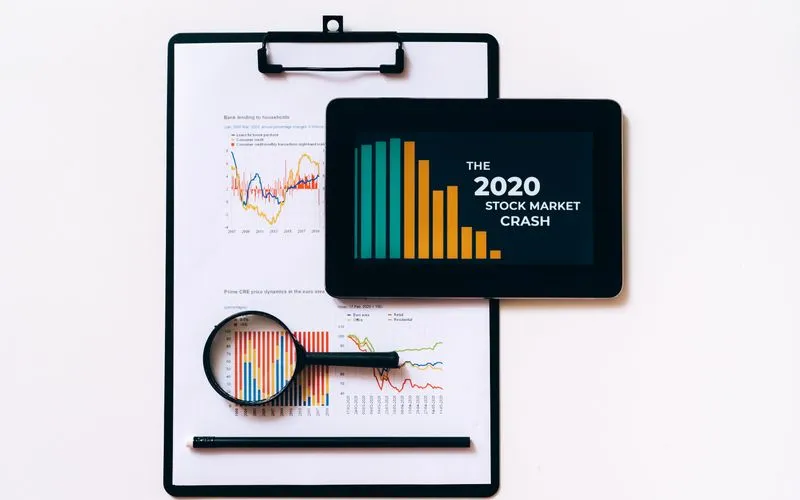
What happens inside a marketing budget during a downturn, why cutting everything is usually wrong and how to reallocate spend and tone in a crisis.
A step-by-step playbook for pivoting a local business online in 2020: online ordering, Google Business Profile setup, curbside logistics and a tight budget.

How brands built a presence on TikTok in 2020: organic content that fits the format, working with creators and what the platform's ad tools could do yet.

An illustrative scenario from March 2020: a small retailer facing lockdown uncertainty, and the gap between a generic crisis email and one that listened first.

What happened to event marketing budgets and lead-gen strategy once SXSW, trade shows and conferences cancelled in 2020 and webinars became the default option.

A snapshot of how marketing teams operated once offices closed in 2020: which tools filled the gap, what broke down and what turned out to work better remote.

Categories that resisted online buying for years, groceries, pharmacy, furniture, moved online in months during 2020, and what that meant for marketers.

Tracing omnichannel marketing from its roots in retail supply-chain thinking to the buy-online-pickup-in-store push that made it a mainstream priority by 2019.
The business case for AI marketing in 2019: where the tools paid for themselves, in personalization and bidding, and where hype outran the results.

A year after the chatbot backlash, conversational marketing in 2019 looked different: fewer rigid bots, more disciplined use of chat that converts.

Acquiring customers in 2019 kept getting pricier while keeping them got cheaper. A playbook for retention: onboarding, lifecycle email and win-back done right.
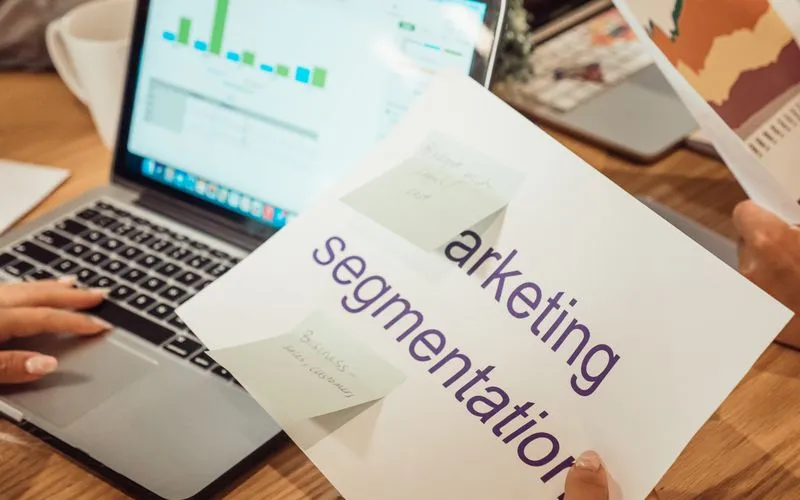
A step-by-step 2019 guide for going from disconnected channels to a unified omnichannel strategy, including the data and attribution work most businesses skip.

A decision framework for 2019: who TikTok reached before it went mainstream, what running a presence there required and when it wasn't worth the effort yet.

A 2019 framework for adopting AI marketing tools, built on lessons from the chatbot overreach and what automated bidding and predictive scoring could deliver.

A 2019 decision framework for conversational marketing: when live chat and bots help a buying decision, and when they just add friction customers resent.
How to run local SEO as an ongoing operation in 2018 rather than a one-time setup: the weekly, monthly and quarterly cadence that kept listings competitive.

The year chat widgets stopped being a novelty and became a real lead-gen channel, even as chatbot fatigue set in right alongside it. A look at what shifted.
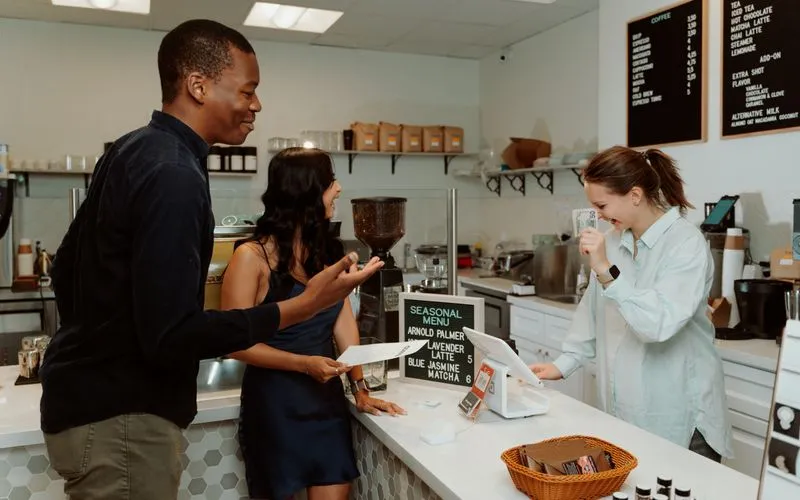
How customer experience grew from a niche academic concept into a board-level priority by 2018, traced through NPS, the CX Index and Qualtrics' $8B acquisition.

An operational playbook for earning brand trust in 2018, the year Cambridge Analytica and GDPR made data practices a visible part of the customer relationship.
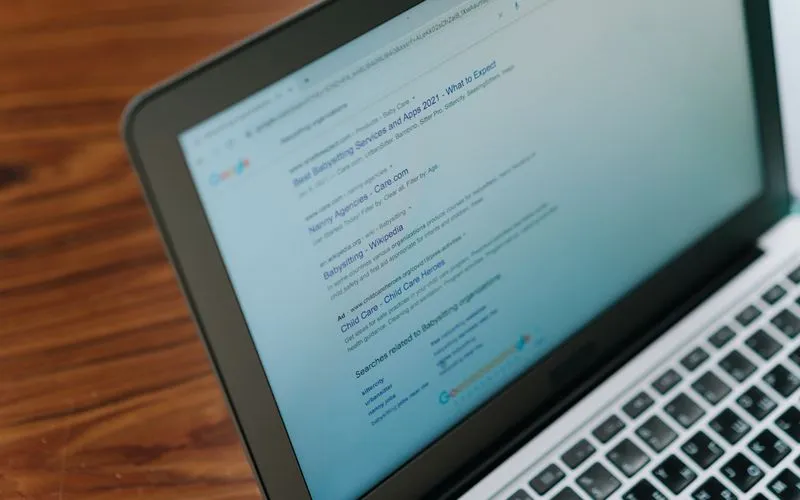
Nine concrete local SEO moves worth a business owner's time in 2018, from Google Posts and Q&A to the mobile speed update that shipped in July.

A contact form makes a warm visitor wait for a reply that might come tomorrow. In 2018 that wait started costing money. Here's the case for a live chat instead.

Ten concrete Instagram marketing tactics that were producing real results in 2017, from Stories ads to influencer partnerships and shoppable posts.

A 2017 decision framework for how much to invest in mobile UX, built around Google's mobile-first indexing shift and where mobile traffic stood.

ABM flips the usual funnel: instead of chasing leads, you pick the accounts worth winning and go deep on each. Here's how it works and when it fits.
An illustrative walkthrough of how a mid-sized online retailer used a Messenger bot and Google's smart bidding in 2017, including what failed first.

A snapshot of customer retention in 2017: the subscription economy's rise, the growing customer success function and how businesses measured loyalty that year.
What shifted for Instagram marketers in 2017, from Stories overtaking Snapchat's format to the platform's first shopping tests and algorithmic feed maturing.

Most customers now meet your brand on a small screen, one-handed, while distracted. Here's how mobile UX differs from desktop and what to fix first.

How account-based marketing went from a niche sales tactic to a formal B2B marketing category, tracing the real vendors and milestones behind the rise.

The four AI developments changing how businesses reached customers in 2017, from Messenger bots to smart bidding and voice search.

The specific developments pushing voice of customer programs forward in 2016, from social listening tools to real-time feedback loops.

How VR marketing worked in 2016, from 360-degree video to headset demos, and what it realistically cost to try.

Ten concrete customer retention tactics that were producing real results for businesses in 2016, beyond generic loyalty-program advice.
A year-in-review look at how mobile user experience reshaped marketing priorities in 2016, from Google's mobile-first indexing plans to AMP.

How Google's micro-moments framework works, and what it meant for marketers building for 'I-want-to-know' and 'I-want-to-buy' searches in 2016.

An operational playbook for running a voice of customer program in 2016: what to collect, how to organize it and how to act on it.

A year-in-review look at what the consumer VR launches of 2016 did to marketing budgets, agencies and brand campaigns.
The year Snapchat went from a teen messaging app to something brands had to take seriously: Discover, sponsored geofilters, Lenses and the first Snap Ads.

Customer experience is now the real differentiator, more than price or product. Here's why CX drives retention, referrals, revenue and a better journey.
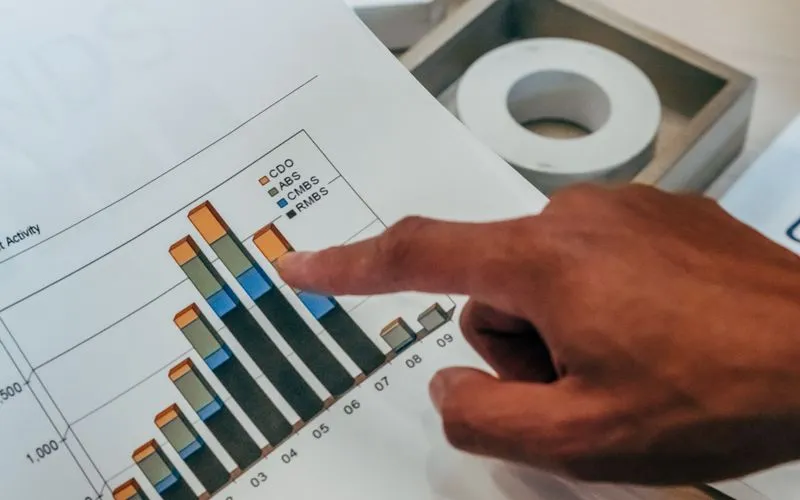
A step-by-step walkthrough for launching an account-based marketing program in 2015, from picking target accounts to aligning sales and marketing on outreach.
A step-by-step plan for building mobile SEO into your site ahead of Google's April 2015 mobile-friendly ranking update.
A working playbook for brands starting on Snapchat in 2015: Discover, geofilters, lenses and Stories, and how to use them without looking like an outsider.

A decision framework for deciding how much to invest in customer experience in 2015, and where the returns show up.
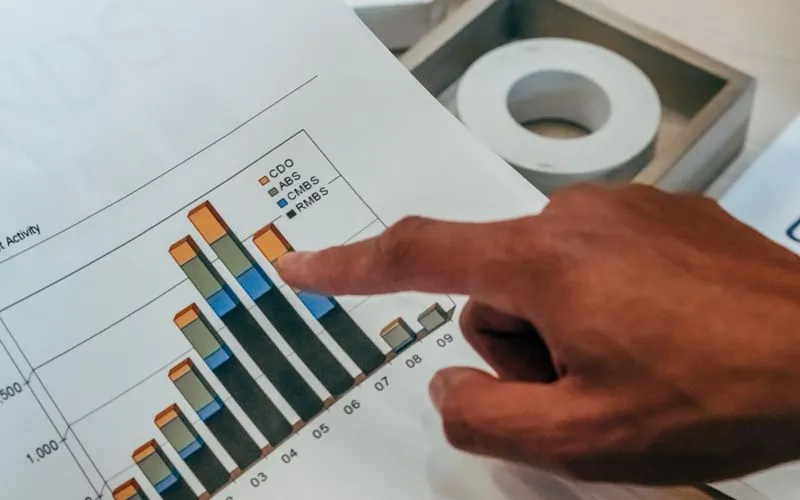
The recurring mistakes that stalled account-based marketing programs in 2015, and practical fixes for each one.
The mobile SEO mistakes catching sites off guard ahead of Google's 2015 mobile-friendly ranking update, and how to fix each one.

Mobile-first isn't a breakpoint, it's designing for the smallest screen before the largest one, and why it produces leaner sites than the reverse order.

Customers in 2014 bounced between phone, laptop, tablet and store before buying anything. The business case for mapping that path and where revenue leaks.
A look back at 2014, the year mobile traffic overtook desktop for many sites and marketers had to rethink design from the smallest screen up.

Personas aren't free. Before committing the time to build them, here's how to tell whether your business benefits, or whether the exercise will just sit unused.

Hummingbird rewrote Google's entire ranking algorithm, not just a filter on top, so the fix isn't a checklist of tactics but a change to content operations.
Instagram passed 100 million monthly users this year with no self-serve ads for small businesses yet. How one boutique built real sales from organic posting.
With mobile traffic climbing fast this year, plenty of sites went responsive quickly and discovered that shrinking a desktop layout isn't designing for a phone.
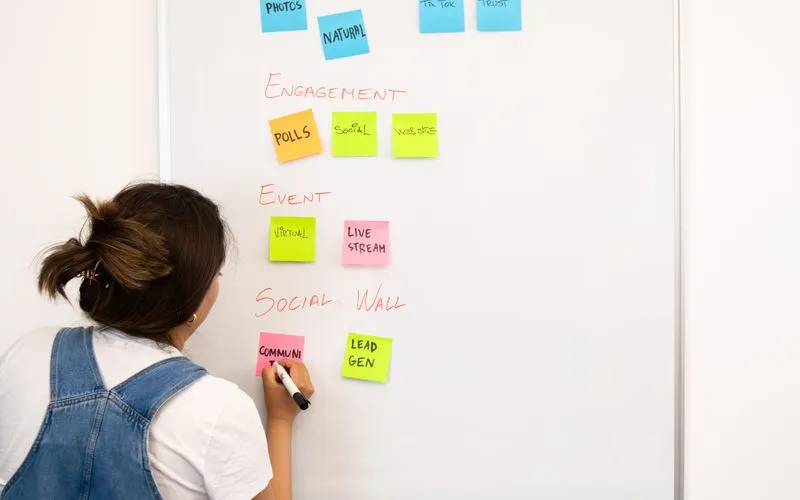
Salesforce bought ExactTarget for 2.5 billion dollars this year and Oracle's Eloqua deal was still settling in. Marketing automation became table stakes.
A step-by-step approach to deciding between responsive design, a separate mobile site or an app, and shipping it based on what worked this year.

Growth hacking isn't a bag of tricks, it's a repeatable process. Here's how to build one from a north star metric up through a working experiment pipeline.

How a marketing persona is built from real customer research, and why personas sketched out in a single brainstorm rarely survive an actual campaign.

Google confirmed in September that it quietly rewrote its entire ranking algorithm a month earlier. Here's what changes for anyone doing SEO.
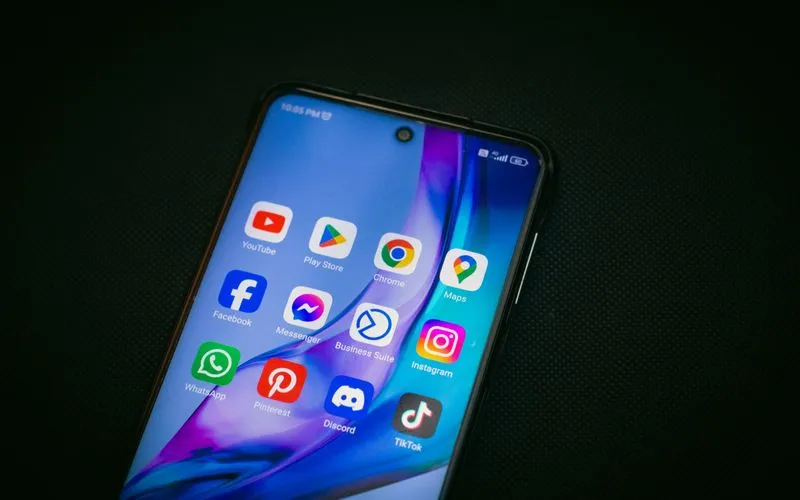
Video, 100 million users and the first real ad deals with major brands: what changed on Instagram this year, and what it means for everyone locked out of paid.

Google has recommended responsive design as its preferred mobile approach since last year. What it took one business to migrate off a separate mobile site.

Twelve concrete SEO practices for recovering from or avoiding the April 2012 Penguin update, which specifically targeted manipulative link schemes.

Apple's App Store passed 700,000 apps and 25 billion downloads this year. Here's why most business apps built in that gold rush never got opened twice.
An illustrative 2012 scenario of a home goods retailer riding Pinterest's rapid growth among lifestyle and retail audiences, and what specifically worked.
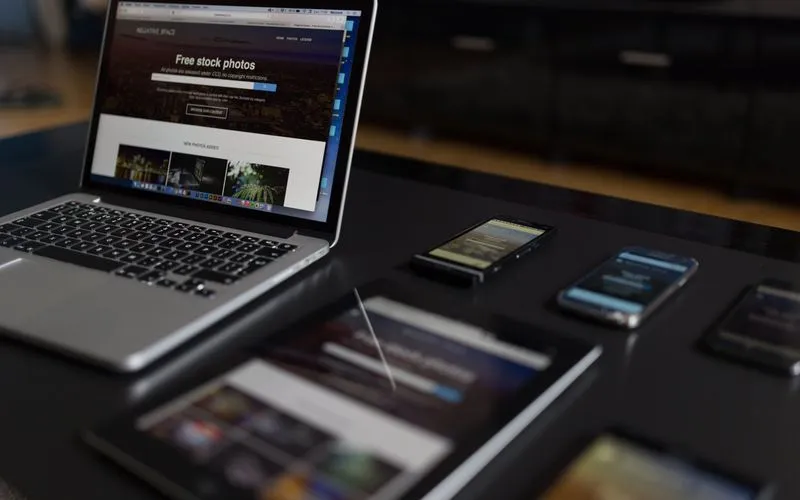
Two years after Ethan Marcotte named it, responsive web design went from a technique in one article to a practice Google itself was recommending by 2012.

Google's Penguin update hit roughly 3% of English-language searches in April and forced a real reckoning with paid links and keyword-stuffed anchor text.

An illustrative 2012 scenario of a small retailer weighing a native app against a mobile website, and what justified the investment.
Pinterest went from invite-only curiosity to a real ecommerce referral channel this year. What changed, and what brands did about it.
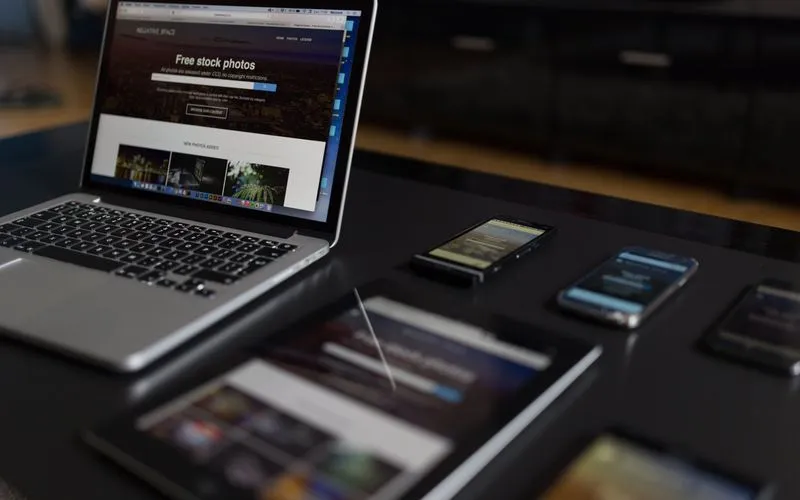
Running a separate mobile site sounds cheaper than a redesign. Here's why the ongoing cost, and the SEO cost, usually runs the other way.
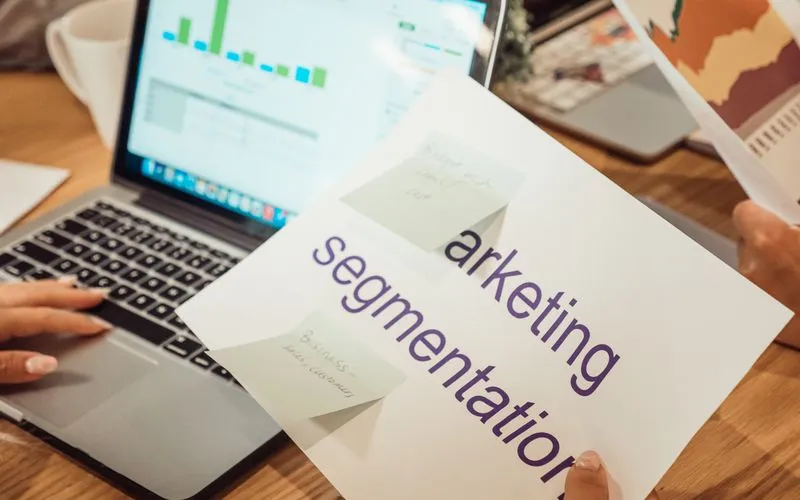
A step-by-step process for building an inbound marketing program in 2011, from defining an audience through to a content and lead-nurturing cadence.
A decision framework for whether and how a business should use YouTube in 2011, covering cost, format and realistic audience expectations.

The year Groupon turned down Google, aired a Super Bowl ad that backfired and went public anyway, while Facebook and Google both tried and failed to compete.
The year a Seoul subway platform became a virtual grocery store, Calvin Klein's billboard drew complaints and QR codes proved easier to print than to use well.

Smartphones outsold feature phones for the first time in 2011. Here's why that crossover changes what marketing has to plan for, not just one more channel.
The recurring errors businesses made adopting inbound marketing in 2011, why each one happens and the practical fix for it.
YouTube is the world's second-largest search engine and a library that keeps working for years. Here's how the algorithm and retention drive channel growth.
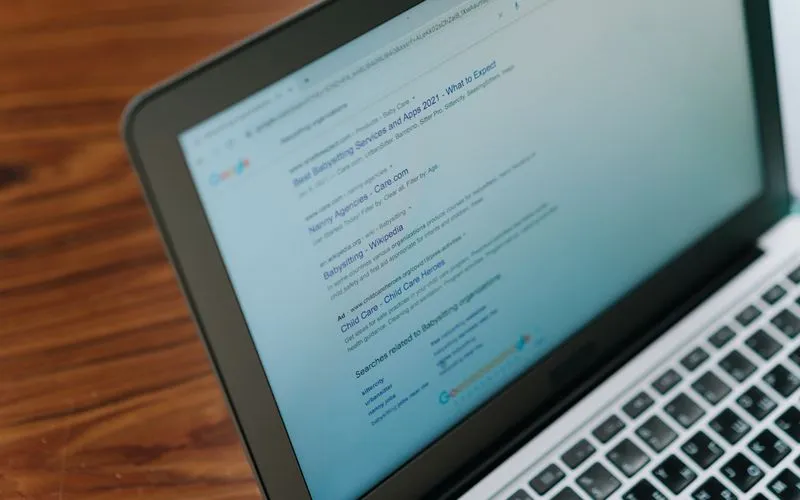
A year-in-review look at how Google Places, review signals and fast-growing mobile search reshaped local SEO through 2011.

How a failed group-action website in Chicago pivoted into Groupon, the fastest-growing company anyone had tracked, and built the daily deal category around it.
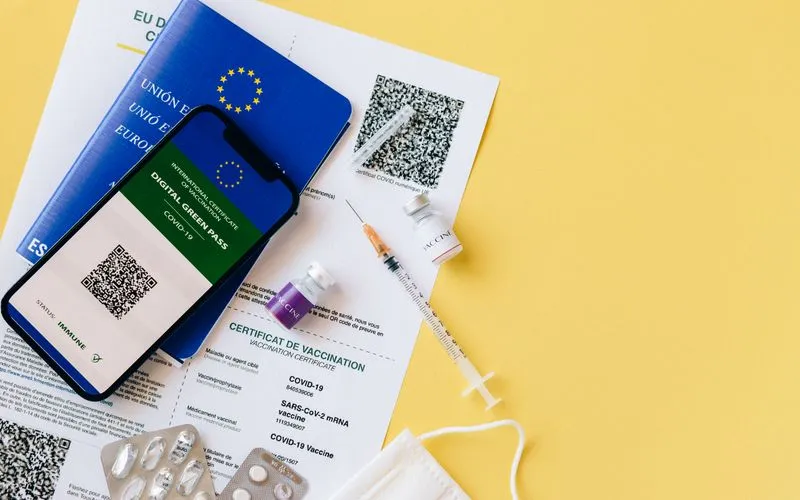
QR codes started in 1994 as a way to track automotive parts in Japan. Here's how they spent a decade as a mobile marketing staple there before catching on.
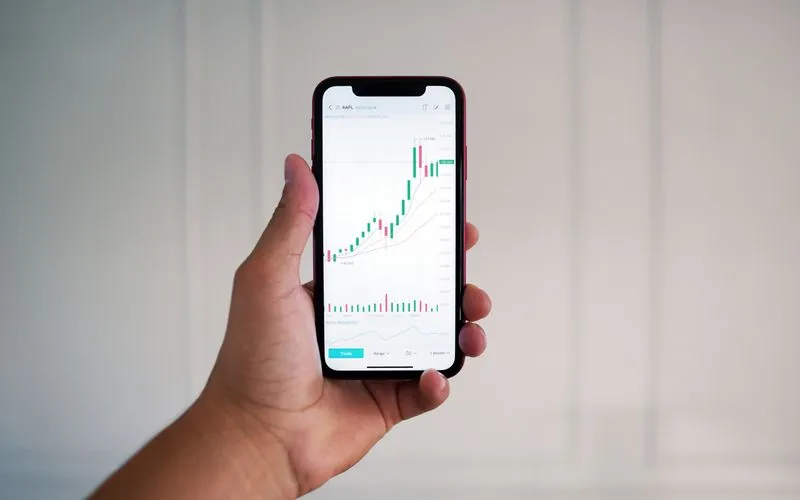
A decision framework for whether a business should invest in mobile marketing in 2011, as smartphone adoption crossed into the mainstream.
LinkedIn closed 2010 near 90 million members and, with Company Pages launching in November, gave B2B marketers a real reason to treat it as more than a resume.

How Google's advertising auction grew from a 350-advertiser experiment in 2000 into the engine behind most of the company's revenue by 2010.
The specific shifts in Facebook Pages during 2010, from the redesigned page format to the Like button and Open Graph rollout, and what it meant for businesses.

A phone call or a set of driving directions is worth more than most clicks. Here's the business case for claiming and maintaining local listings in 2010.
How a professional network built in Reid Hoffman's living room in 2002 grew, slowly and then steadily, into a default part of business life by 2010.

A step-by-step way to set up an AdWords account with no wasted spend: structuring campaigns around intent and writing ads that earn Quality Score.
An operational, step-by-step approach to running a Facebook Page in 2010, from setup through the Like button era to a consistent posting rhythm.
How a term coined by a two-person Boston startup in 2006 became a marketing philosophy with its own book this year, as spam filters made outbound harder.
An operational playbook for running SMS and mobile campaigns in 2009, from list building through compliance to measurement.

Facebook closed the year past 350 million users with Pages, self-serve ads and expanded Insights analytics in place. Here's what that means for businesses.

The specific missteps businesses made testing check-in marketing after Foursquare's March 2009 launch, and how to sidestep each one.
A step-by-step process for setting up inbound marketing with no blog, no lead capture and no idea where to start: personas, content gaps, measurement.

Twelve concrete mobile marketing tactics from the SMS and WAP era of 2009, and the reasons each one either paid off or wasted budget.

An illustrative 2009 scenario of a local retailer testing check-in marketing right as Foursquare launched, and what drove foot traffic.
A step-by-step look at how a 2008 campaign could build a digital operation from the ground up, using tactics the presidential race made impossible to ignore.

Why the 2008 financial crisis pushed budget-strapped businesses toward inbound tactics, and what that shift looked like over the year.
The business case for native apps two months after the App Store's July 2008 launch, and why the earliest movers had a real advantage worth quantifying.
The ROI case for Facebook in the second half of 2008, as the platform crossed 100 million users and its ad and Page tools started producing real numbers.

An operational playbook for the deal-a-day model in 2008, built on the pattern Woot pioneered years earlier and few other retailers had yet copied.
From three ex-PayPal employees' 2005 project to a $1.65 billion Google buyout: how YouTube became a real channel, proven out by Blendtec and Obama's campaign.
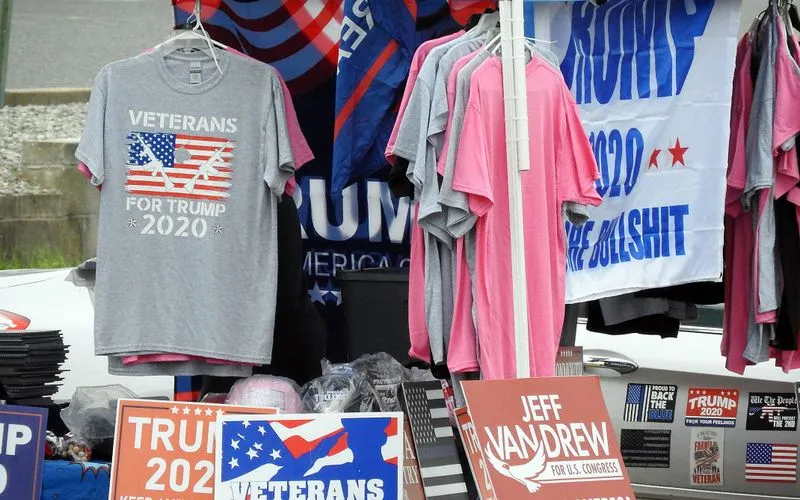
Where campaigns and causes went wrong online in 2008, from treating a website as a brochure to building no email list at all before it mattered.
The short origin story of inbound marketing, from HubSpot's 2006 founding and its coined term through the tools that made it practical by 2008.
A decision framework for whether to build a mobile app in early 2008, when distribution meant fragmented carrier decks and Apple's SDK was still just a promise.
A decision framework for whether a business should invest in Facebook in 2008, weighing its fast-growing audience against the still-raw Beacon backlash.

Twelve concrete tactics for running deep-discount, limited-time promotions the way sites like Woot proved out, without training customers to wait for discounts.

With Facebook's platform now open to outside developers, embeddable widgets are having a real moment. A step-by-step guide to building one worth installing.
Seven concrete tactics behind the inbound marketing approach that HubSpot named in 2006: business blogging, free tools, guest posts and email nurture sequences.
The mistakes that tripped up brands trying YouTube in 2007, from ads pretending not to be ads to ignoring the comment section entirely.

A snapshot of mobile marketing in mid-2007: SMS still dominates, carriers gatekeep and the iPhone's launch is already reshaping what mobile sites should be.
The mobile web mistakes businesses kept making in 2007, from clunky WAP sites to ignoring how the iPhone's Safari browser changed expectations overnight.
Why most branded widgets built for MySpace, iGoogle and the newly opened Facebook Platform in 2007 failed to spread, and what got installed.
A snapshot of inbound marketing in 2007, a term barely a year old, as blogging and search-driven content started competing with outbound ads and cold calls.
An illustrative look at how a small retailer used YouTube's brand-new Partner Program and low-budget video to turn curiosity into store visits in 2007.

The business case for adding SMS-based mobile marketing in 2007: higher open rates than email, lower cost than print and a direct line to opted-in customers.
Facebook opened to the general public last month. Twelve concrete ways businesses are working within its network-based, Pages-free reality this November.
YouTube is now claiming roughly 100 million views a day. A step-by-step guide to building a channel presence while the platform's culture is still informal.
A repeatable operational system for inbound marketing in 2006, built around audit, cadence and the free analytics tools that finally make it measurable.
As of this spring Facebook is still closed to the public, running only on school and workplace networks. Here's what that means for outside marketers.
Early 2006 YouTube mistakes: brands still uploading straight TV spots, ignoring comments and posting videos nobody can find in search.
Seven concrete ways to earn attention instead of buying it in 2006, built around blogging, search-driven content and permission-based email.

Web 2.0 turned the web from a broadcast medium into a participatory one, and rewrote marketing in the process. Here's what changed and why it still matters.
A small site called YouTube, started by three former PayPal employees this past February, is quietly becoming the video destination the web was waiting for.

Since last October's conference, Web 2.0 has gone from an insider phrase to something marketers are watching. A look at the momentum building in early 2005.
Google Video just launched and dedicated video-sharing sites are starting to appear. Here's how to build a plan while platforms are still being sorted out.

Chris Anderson named the long tail in Wired this October. Here's the operational playbook for marketers who want niche demand instead of chasing hits.
A step-by-step 2004 build guide for a first AdWords account: campaign structure, match types, negative keywords and the relevance-weighted ranking system.

The phrase Web 2.0 is just starting to circulate ahead of October's conference, but the shift toward blogs, RSS and user participation is already under way.

Chris Anderson named the long tail in Wired in October 2004. Ten concrete ways businesses put the idea to work in catalog, content and ad strategy that year.
Six mistakes tripping up businesses new to Google AdWords in 2004, from broad match waste to landing pages that never got tested.

A step-by-step guide to building a participatory web presence in early 2004: blogs, RSS feeds and comment sections, at a time before anyone called it Web 2.0.

Google News gaining real traction, RSS syndication spreading beyond blogs and search-driven discovery displacing mass release blasts: what moved PR in 2003.

Friendster's launch, the rise of forum software, blogging going mainstream and Wikipedia's early growth: four shifts that redefined online communities in 2003.

A step-by-step guide to launching an online store in 2003, from choosing a platform and building buyer trust to getting found in search and keeping customers.

A 2003 operating playbook for online PR: writing releases search engines could find, choosing a wire service and treating blogs as a real press channel.
A 2002 decision framework for weighing online lead generation against trade shows, direct mail and cold calling, and where it fits your sales process.

In 2002 Google began weighing click-through rate alongside bid to rank ads, years before the term Quality Score existed. Here's what that early system did.

A 2002 case study on the shift from flat-rate impressions to click-based pricing, and how one advertiser rebuilt its account to take advantage of it.
A 2002 case study on recovering from banner-ad fatigue: how a business rebuilt trust through consistency across its site instead of louder advertising.
Lead generation is about quality, not just quantity: the wrong leads waste sales time and money. Here's how to attract, capture and qualify leads that convert.

Google's 2002 shift to click-weighted ad ranking meant relevance, not just budget, determined your effective cost per click. Here's the actual financial case.
The four developments that defined AdWords in 2002: the switch to click-based pricing, Overture's patent lawsuit, expansion abroad and a shift toward search.

A 2001 case study in surviving the dot-com shakeout: how one retailer fixed checkout friction and matched spend to buyer intent instead of chasing traffic.

How online surveys evolved from expensive market-research projects into a self-serve tool any business could run, tracing the shift from 1994 to 2001.

A snapshot of Google AdWords in its first full year: still a flat-rate, self-serve experiment overshadowed by the pay-per-click model Overture had proven out.
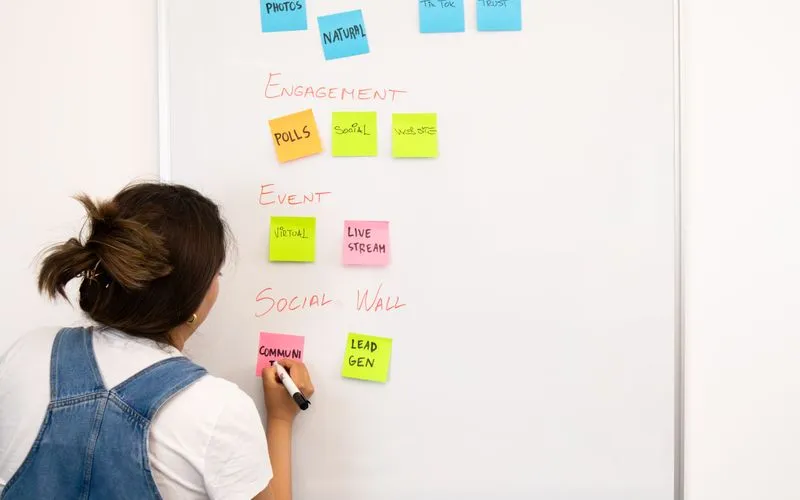
Banner click-through rates keep falling and the market correction has made every ad dollar harder to justify, pushing lead generation toward measurable models.

An illustrative look at how a mid-sized specialty retailer rebuilt its email program around opt-in lists and doubled repeat purchases in six months.
From the dot-com Super Bowl blitz in January to the market correction that followed in March, 2000 has been the year online branding got tested for real.
An operational playbook for running keyword-targeted search advertising, from setting up your first campaign to deciding when a term is worth bidding on at all.

The FTC settled with major online retailers this year over holiday shipping delays. Here are the mistakes behind that mess and how to avoid repeating them.
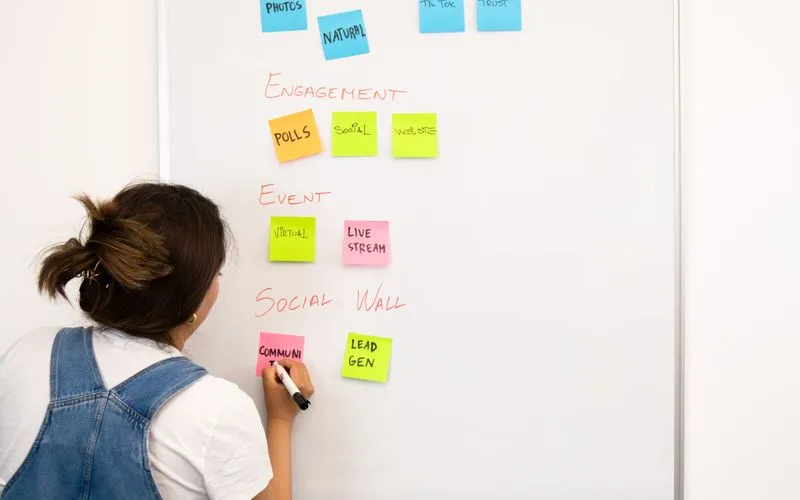
With investors now demanding proof of profitability rather than growth, online lead generation is the rare channel where a business can show its math.

From the DoubleClick privacy backlash to Yahoo's acquisition of eGroups, five developments this year are reshaping how businesses think about opt-in marketing.
A step-by-step approach to building an online brand in 2000, after a Super Bowl full of dot-com ads showed exactly what happens when spend outruns strategy.

Twelve concrete, tested tactics for getting real results from keyword-targeted search advertising, without wasting budget on broad terms that never convert.
From Hotmail's free-email footer to the buzz behind The Blair Witch Project, a look at how viral marketing became a real strategy rather than an accident.
Seven concrete ways businesses built recognizable, trustworthy brands on the web in 1999, from domain names to email newsletters to consistent visual identity.

A working playbook for permission marketing, built on the framework Seth Godin laid out in his book this year: earn attention before you ask for a sale.

1999 was the year press releases stopped waiting on a reporter, as wire services and company sites put company news directly in front of the public.
A step-by-step guide to building an online community in 1999, from choosing a platform like a Usenet group or a hosted forum to keeping members coming back.
The operational checklist for running an online store in 1999, from choosing a payment processor to earning trust from a first-time online buyer.
A hands-on guide to designing a viral marketing loop in 1999, using the free-email and referral mechanics that Hotmail and ICQ proved out.
Bandwidth limits, 640x480 monitors and a web still figuring out what a brand even looks like on screen: where online branding stands in 1999.

Permission marketing earns the right to reach people instead of interrupting them, an idea from Seth Godin that now underpins modern email, content and privacy.