The State of Brand Communities in 2022
Why 2022 pushed brands toward owned communities on Discord and elsewhere, as rising ad costs and privacy changes made rented audiences more expensive.
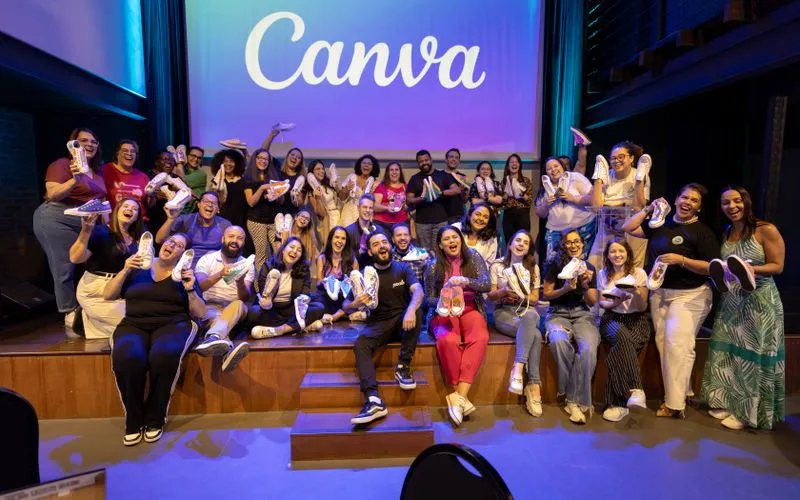
Brand communities were not a new idea in 2022, but the reasons businesses invested in them changed. For years, building a Discord server or a private Facebook group was treated as a nice-to-have, something for brands with an established fanbase and spare marketing budget. In 2022, it started looking more like a hedge against a paid acquisition environment that had gotten noticeably more expensive and unpredictable.
Why the economics shifted
Apple’s App Tracking Transparency update, which rolled out in April 2021, made it harder for Facebook and Instagram to target and measure ads the way advertisers had relied on for years. Meta itself estimated the change would cost the company billions in ad revenue, and advertisers felt the other side of that: rising cost per acquisition and less confidence in what their ad spend was doing. Businesses that had built their entire growth model on paid social had a strong incentive to find channels they didn’t have to keep renting.
Owned communities offered exactly that. A Discord server, an email list tied to a private group or a well-run Facebook group didn’t disappear when a platform changed its targeting rules, because the relationship lived in a space the brand controlled rather than one an algorithm mediated.
Where the energy went
Discord was the clearest beneficiary. What started as a tool for gamers became, through 2021 and 2022, a default choice for brands, creators and even software startups looking to build a direct line to their most engaged users. The platform’s own valuation climbed sharply during this period as investors bet on exactly this shift beyond gaming.
Reddit also saw renewed attention from marketers in 2022, partly because its niche subreddits functioned like ready-made communities with existing norms and trust, something a brand starting from zero couldn’t replicate quickly elsewhere. And the broader idea of “community-led growth” became a talking point well beyond consumer brands, showing up in how software companies thought about onboarding, support and even product feedback.
The catch
Communities are expensive in a different currency than ads. They demand consistent moderation, a genuine reason for people to keep showing up and a tolerance for slow, compounding growth rather than a campaign with a clear start and end date. Plenty of brands launched a Discord or a Facebook group in 2022 mostly because competitors had one, posted for a few weeks and then let it go quiet. A quiet community is worse than no community: it signals neglect to the exact people a brand most needs to keep.
What it meant for smaller businesses
You didn’t need thousands of members for a community to matter. A tightly run group of a few hundred interested customers, given real reasons to participate such as early access, direct input on products or simply a place to talk to people who share the same problem, could do more for retention and word of mouth than a much larger, passive social following.
The honest takeaway from 2022
Brand communities worked when they were treated as a long-term relationship to maintain, not a channel to launch and walk away from. The businesses that got real value from them in 2022 were the ones willing to show up consistently, even when the payoff wasn’t immediate or easy to attribute in a spreadsheet.
See more Marketing Strategy coverage or browse everything from 2022.