Digital Business Marketing Awards
Paid Ads

The State of Pay-Per-Click Advertising in 2001

How pay-per-click advertising reshaped digital marketing in 2001, and the practical playbook for putting it to work.

By Digital Business Marketing /

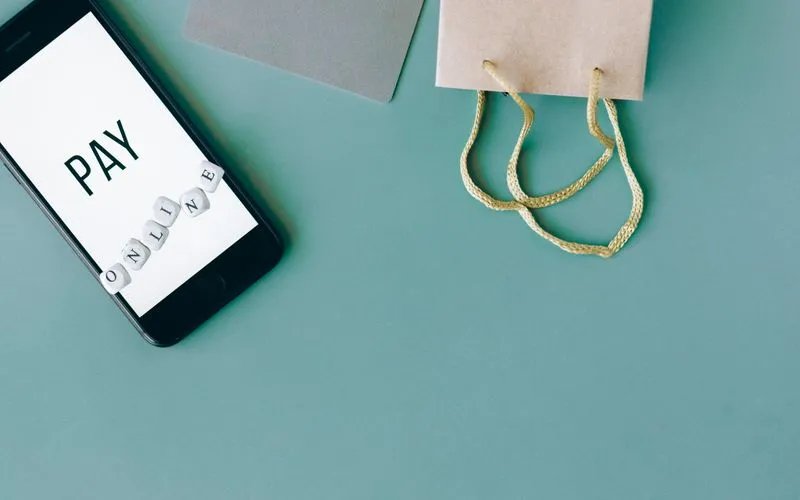
Featured image for “The State of Pay-Per-Click Advertising in 2001”: Pay-Per-Click Advertising

Few areas of digital marketing evolved as quickly as pay-per-click advertising around 2001. For business owners and marketers alike, understanding it stopped being optional and became essential to staying competitive.

This guide is written for operators, not theorists. Whether you handle marketing yourself or oversee a team, you’ll get a clear view of how pay-per-click advertising works, where it tends to go wrong, and the specific moves that turn it into measurable growth.

The short version:

  • Pay-Per-Click Advertising compounds over time: consistent effort beats sporadic bursts.
  • Get clear on one objective and your audience before choosing tactics.
  • Measure what maps to revenue, not vanity metrics.
  • Start small, prove what works, then scale deliberately.

What Pay-Per-Click Advertising really means for your business

Pay-Per-Click Advertising is where strategy meets math. Every dollar is measurable, which is both the opportunity and the trap: teams that obsess over the right metric scale profitably, while those chasing vanity numbers burn budget fast.

The reason pay-per-click advertising matters so much comes down to leverage. Get it right and the same effort produces outsized returns; get it wrong and you pour time and money into activity that never compounds. In a competitive market, that gap decides who grows and who stalls.

Who should care about Pay-Per-Click Advertising

Almost every business can benefit from pay-per-click advertising, but it pays off fastest for those with a clear audience and a repeatable offer. The better you understand who you serve and what they need, the more leverage pay-per-click advertising gives you in return for the same effort.

How to put Pay-Per-Click Advertising into practice

The teams that got pay-per-click advertising right tended to share the same habits. Use these as your starting checklist:

  • Define the one metric that maps to profit before you spend.
  • Start small, find a winning angle, then scale what converts.
  • Match the landing page to the ad, message consistency lifts conversions.
  • Use audience and creative testing, not just bid tweaks.
  • Set guardrails so budgets never run away overnight.

Common mistakes to avoid

Even experienced teams stumble with pay-per-click advertising. These are the pitfalls that quietly cost the most:

  • Scaling spend before you’ve proven a profitable angle.
  • Judging campaigns on clicks instead of revenue.
  • Sending paid traffic to a slow or mismatched landing page.
  • Letting one audience fatigue instead of refreshing the creative.

How to measure success

With pay-per-click advertising, every metric should ladder up to profit. Vanity numbers are a distraction at best and a budget leak at worst.

  • Return on ad spend (ROAS)
  • Cost per acquisition
  • Conversion rate by campaign
  • Payback period on new customers

When Pay-Per-Click Advertising makes sense, and when it doesn’t

Pay-Per-Click Advertising works best when you have something genuinely worth promoting and the patience to let it compound. If your product solves a real problem and you can commit to consistent execution, the returns build on themselves.

It’s a poor fit when you need a single quick win with no follow-through, or when the fundamentals, a clear offer, a defined audience, a working sales process, aren’t in place yet. Fix those first and pay-per-click advertising amplifies them; skip them and it simply spreads a weak message faster.

A simple Pay-Per-Click Advertising playbook

If you’re starting close to scratch, work through these steps in order:

  1. Define the profit metric you’ll optimize toward.
  2. Start with a small budget and a few clear angles.
  3. Match every ad to a focused, fast landing page.
  4. Kill losers quickly and double down on winners.
  5. Scale gradually while watching efficiency, not just volume.

What good looks like: a quick example

Picture a small business that decided to take pay-per-click advertising seriously. Instead of trying everything at once, they picked one focused approach, set a single clear goal, and committed for ninety days. The first few weeks were quiet. Then the compounding kicked in: small, consistent improvements stacked into a noticeable lift in qualified traffic and, eventually, sales. Nothing they did was clever or expensive, they simply executed the fundamentals of pay-per-click advertising more consistently than competitors were willing to.

Your first 30 days

Don’t wait for a perfect plan. Choose the single most promising angle for pay-per-click advertising, ship it this week, and let reality teach you the rest. A month of imperfect action beats a quarter of planning, because the feedback you get is worth far more than any assumption you’d make in a meeting.

Where it was heading in 2001

Ad costs in 2001 kept climbing, which made efficiency the real differentiator. Winning teams treated creative and targeting as the levers that mattered, not just budget size.

None of this meant the basics changed. The brands that won kept serving a specific audience exceptionally well and let the tactics follow the strategy, rather than the other way around.

Frequently asked questions

Is pay-per-click advertising still relevant today?

Yes. The specific tools around pay-per-click advertising keep evolving, but the underlying principle, meeting customers where they are with something genuinely useful, is as relevant now as it was in 2001. Businesses that treat it as a long-term capability keep benefiting.

How long does it take to see results from pay-per-click advertising?

Expect a ramp rather than an overnight win. Quick experiments can show early signal within a few weeks, but the compounding returns usually arrive over several months of consistent, focused execution.

Do small businesses really need pay-per-click advertising?

Often they benefit most. You don’t need a big budget; you need focus. A small team that executes pay-per-click advertising consistently can outperform a larger competitor that spreads itself thin across everything at once.

What does pay-per-click advertising cost to get started?

Less than most people assume. Pay-Per-Click Advertising rewards focus and consistency far more than raw budget, so you can start small, often with time rather than money, and reinvest as you learn what works. The expensive mistake is spreading a large budget thinly before you’ve found what actually converts.

How is pay-per-click advertising different today than it was in 2001?

The tools and platforms have changed, and they’ll keep changing. What hasn’t changed is the core: understand your customer, offer something genuinely useful, and measure honestly. Treat the latest tactics as new ways to express those fundamentals, not as replacements for them.

The bottom line

Master the fundamentals of pay-per-click advertising, measure honestly, and stay consistent, that’s how this channel turns into durable growth instead of a one-off spike.

If you take one thing away, make it this: pick a focused approach to pay-per-click advertising, give it enough time to work, and let the data, not the hype, guide what you do next.


Keep exploring: browse more Paid Advertising guides, see everything we published in 2001, or check out the Digital Business Marketing Awards.

Keep reading

Related articles

All Paid Ads →