How Web Analytics Changed Digital Marketing in 2006
A look back at 2006, the year free web analytics went from novelty to expectation and forced the whole industry to compete on features instead of price.
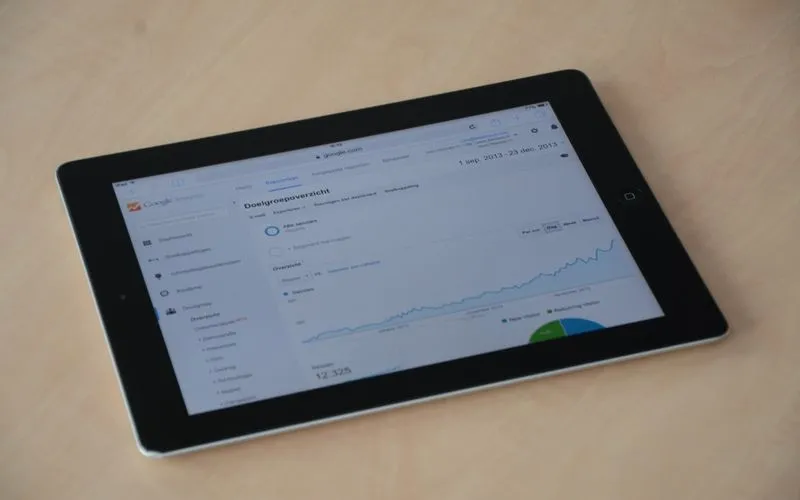
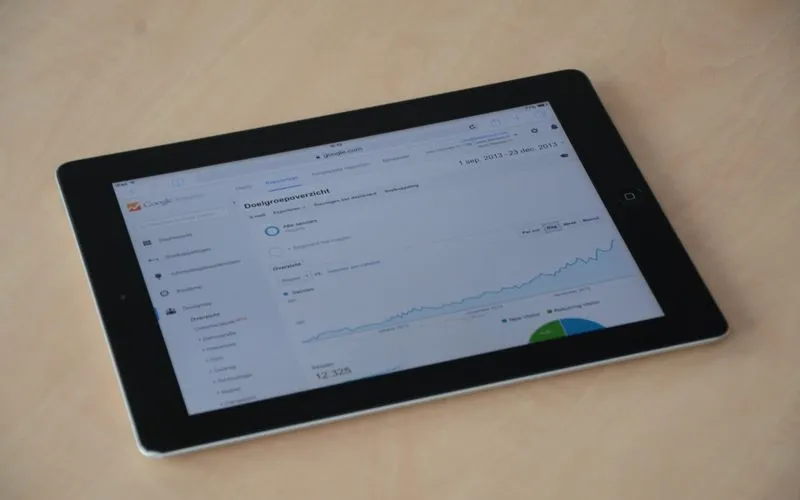
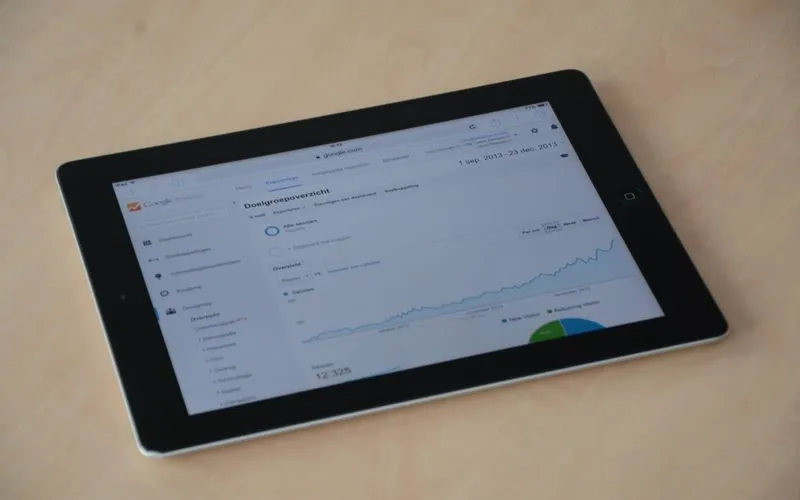
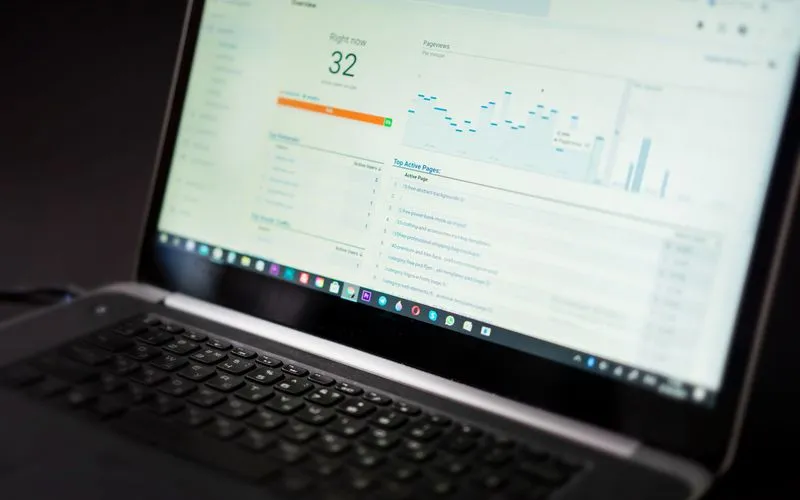
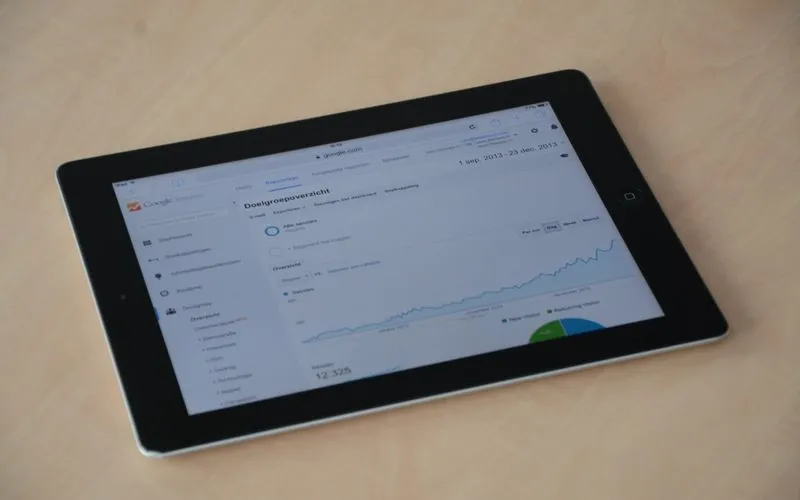
Google Analytics launched to the public in November 2005, and the demand was bigger than Google apparently expected. New signups were throttled through an invitation system for months afterward, with businesses waiting weeks to get access to a tool that, a year earlier, would have cost them a monthly fee to use at all. That waitlist, as much as the tool itself, is the story of web analytics in 2006.
Free forced everyone else to compete on value
WebTrends, HitBox and the other established analytics vendors didn’t disappear when Google’s tool went free, but they could no longer win on price alone. The competitive response has been visible all year: faster feature releases, clearer reporting interfaces and a real push into segments Google Analytics wasn’t targeting yet, like large enterprise deployments with dedicated support. Omniture, meanwhile, has spent the year building toward its public offering, betting that businesses serious enough about measurement will still pay for depth that a free tool doesn’t provide.
Small businesses got a seat at the table
The bigger shift is who’s using analytics at all. Before this year, a small retailer or a local service business measuring its website in any real depth was the exception. Now it’s increasingly the norm, because the barrier dropped from a monthly invoice to an afternoon of setup. That’s brought a wave of businesses into contact with data they never had before, and a wave of decisions, which ads to cut, which pages to rewrite, that used to be made on instinct.
The skills gap became obvious
Access to data turned out to be the easy part. The harder problem this year has been that most marketing teams weren’t trained to read it. Bounce rate, exit pages, goal conversion, these terms mean little without someone who knows how to connect them to a business question. That gap is why a small industry of analytics consultants and how-to guides has grown up around the free tools almost as fast as the tools themselves.
What changed in practice
For businesses that leaned in this year, the concrete shifts have looked like this:
- Marketing budgets get reviewed monthly against actual conversion data instead of annually on gut feel.
- Underperforming campaigns get cut within weeks rather than running until the contract expires.
- Website changes get justified by what a report showed, not by what looked good in a meeting.
- Reporting has become a shared language between marketing and whoever controls the budget.
Where this leaves the market
Free analytics didn’t kill the paid tier, it split it. Businesses with straightforward needs settled into the free option and moved on with their day. Businesses with complex sites, multiple properties or a genuine need for dedicated support are still paying, but now they’re paying for something a free tool clearly doesn’t offer rather than for access to basic reporting at all. That’s a healthier market than the one that existed eighteen months ago, and it’s forced every vendor in the space, free or paid, to prove its worth on a shorter timeline.
Keep exploring: browse more Marketing Analytics guides, see everything we published in 2006 or check out the Digital Business Marketing Awards.