
A Practical Guide to Predictive Personalization
Showing someone a product they viewed isn't personalization, it's a reminder. Predictive personalization anticipates what they want next, and here's how.
Marketing Analytics
Marketing analytics, attribution and data: connect activity to revenue and make sharper decisions.
Showing someone a product they viewed isn't personalization, it's a reminder. Predictive personalization anticipates what they want next, and here's how.

What customer data platforms did differently in 2025: feeding AI agents, powering retail media targeting and replacing patchwork spreadsheets.

First-party data is what customers give you directly, and it keeps getting more valuable as tracking disappears. Here's how it flows to a usable view.

A snapshot of AI personalization in 2025: agentic tools handling real-time decisions, tighter regulation and growing consumer wariness of over-targeting.
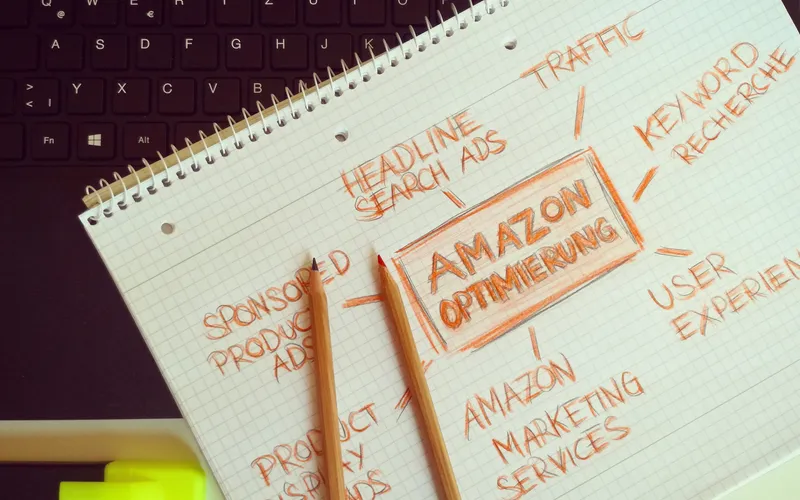
Why conversion optimization became more important in 2025 as AI-generated search answers cut into organic click-through, and what teams changed in response.

Marketing analytics is supposed to answer which half of the budget is wasted. Most dashboards never do. Here's how to build measurement tied to real decisions.

McKinsey has found that most consumers expect personalized interactions and get frustrated without them. Here's where AI personalization revenue comes from.

How customer data platforms grew from a niche marketing tech category into standard infrastructure, from the term's 2013 origin to today's market.

Knowing first-party data matters isn't the hard part. Operationalizing it week by week is. Here's the playbook for running on it, not just collecting it.

A framework for deciding whether your business has enough traffic and clarity to run real conversion optimization, and what to do first if it doesn't.

2024 was the year Google abandoned its cookie deprecation plan, US state privacy laws took effect and marketers stopped waiting for third-party cookies to die.

Marketing mix modeling figures out what drove sales using spend and outcome data, no individual tracking needed. Here's how it works with attribution.

Zero-party data is what a customer tells you on purpose, not what you infer by watching them. Here's why it beats guessing and how to collect it right.

The revenue case for AI personalization in 2024, where it moves numbers like average order value and email revenue, and where it doesn't.
A step-by-step guide to setting up a marketing analytics stack in 2024, from GA4 and consent mode to a dashboard your team will check.
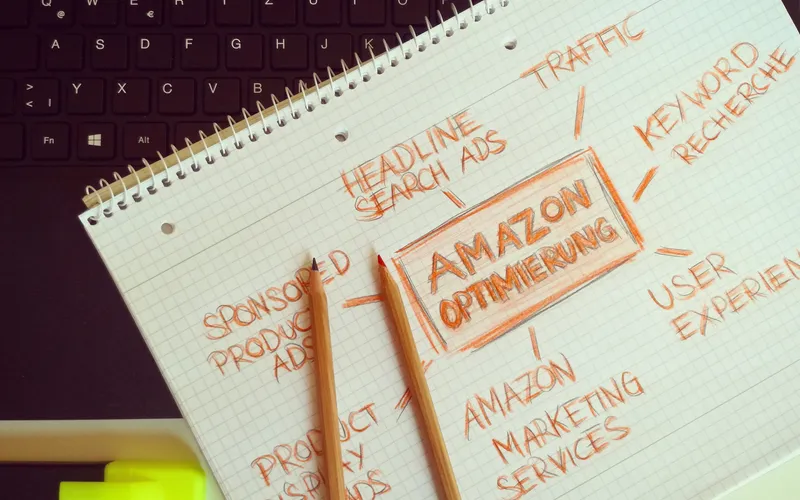
A landing page converting at 3% instead of 2% grows results by half without extra ad spend. Here's how conversion optimization finds friction and tests fixes.

Privacy-first marketing gets treated as a cost, but businesses building on first-party data stay insulated from tracking changes disrupting everyone else.

Marketing mix modeling is a decades-old technique sidelined in the 2010s by digital attribution, then it roared back once tracking broke.

Where businesses got zero-party data collection wrong in 2024, starting with confusing it for first-party data and going downhill from there.

A decision framework for deciding whether AI-driven personalization is worth adopting in 2024, and what it takes to run well.

Individual-level tracking is gone for a share of your traffic. Here's how consent, first-party data, server-side tracking and modeling still give reliable data.

The most frequent ways businesses mishandled first-party data collection in 2023, from consent gaps to lists nobody ever emailed.

A snapshot of where analytics stood in 2023: the forced move to GA4, consent mode, modeled conversions and a wave of new US state privacy laws.

An illustrative walkthrough of how a mid-sized online retailer replaced shrinking retargeting audiences with an owned email and SMS program in 2023.

Five personalization mistakes still showing up in 2022, from stale post-ATT retargeting data to ignoring visitors who browse the site logged out entirely.
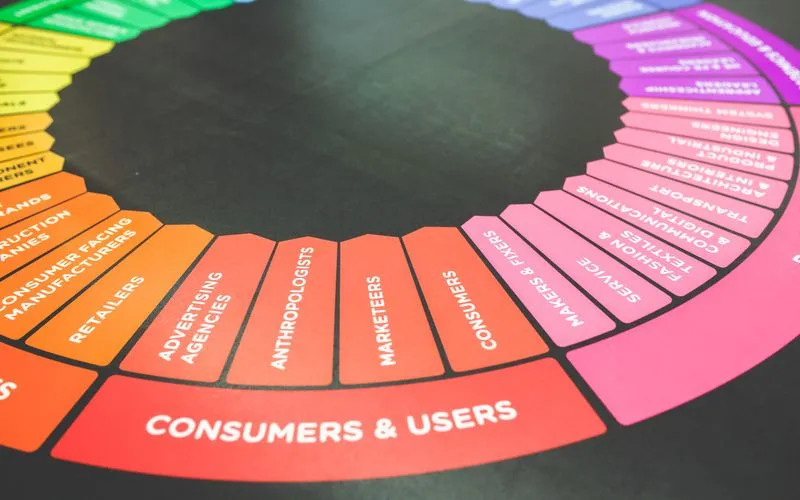
The year Google set a hard deadline on Universal Analytics, forcing a wholesale rethink of how attribution gets measured.

A 2022 build guide for first-party data, written for the calmer window that opened once Google pushed its cookie deadline to 2024 and GA4 forced a data reset.

Where third-party cookie deprecation stood in 2022, why Google's timeline kept slipping and what marketers were doing to prepare anyway.

A year-in-review look at how the forced GA4 migration, disclosed iOS 14.5 revenue losses and the Privacy Sandbox Topics API reshaped analytics in 2022.

An illustrative 2022 scenario of an online course platform that replaced retargeting-dependent growth with onsite personalization from zero-party quiz data.
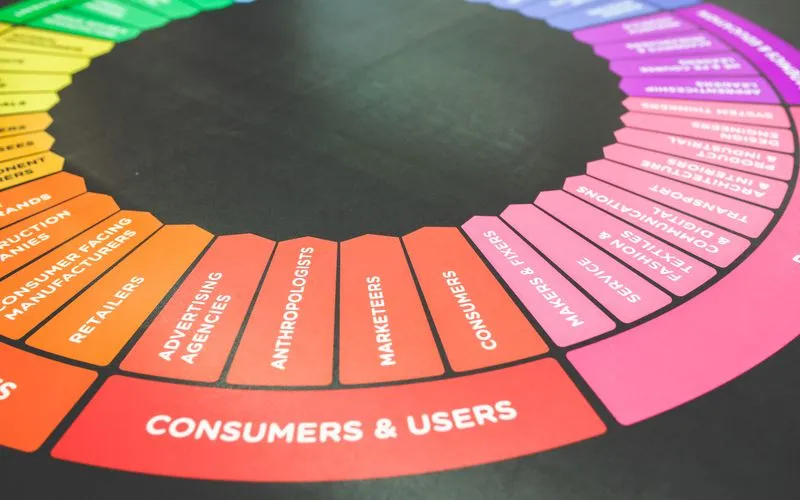
How marketing attribution went from a last-click afterthought to one of digital marketing's hardest problems, and what iOS privacy changes broke along the way.

Five mistakes businesses kept making with first-party data in 2022, from collecting without a value exchange to assuming the delay eased privacy pressure.

The financial case for preparing your business for a cookieless web now, from rising acquisition costs to the durable value of owned customer data.

The year Apple's App Tracking Transparency prompt went live and personalization had to rebuild itself around data customers gave willingly.

What Google's Privacy Sandbox replaces, why its timeline keeps shifting and how to build a strategy that doesn't depend on its outcome.

An illustrative 2021 scenario showing how a mid-sized retailer used a customer data platform to recover ad performance lost to iOS 14.5 and cookie restrictions.

What's disappearing as third-party cookies go away, what breaks without them and the privacy-safe methods replacing cross-site tracking.

How first-party data went from a back-office concern to a core strategy, traced through GDPR, Apple's tracking limits and Google's 2020 cookie announcement.
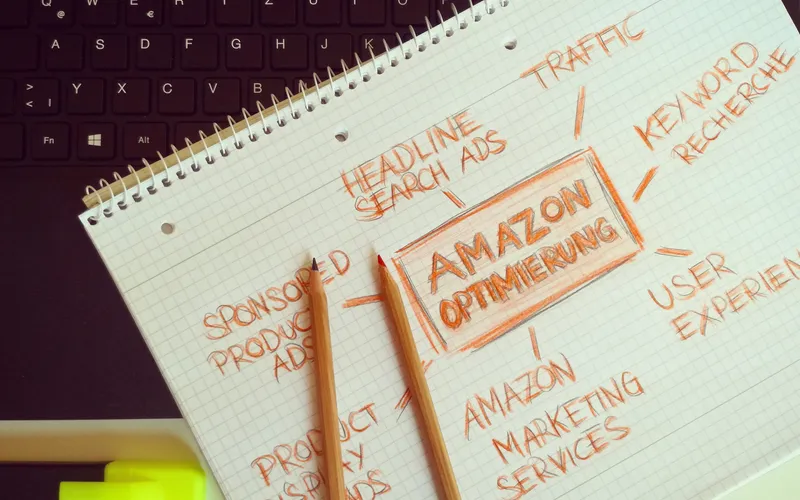
A 2021 snapshot of conversion optimization: how server-side tagging, Core Web Vitals and shrinking pixel accuracy reshaped what CRO teams worked on.

The real history of personalization, from Amazon's 1998 recommendation engine and the Netflix Prize through to today's real-time, data-driven systems.

A 2021 decision framework for Google's Privacy Sandbox: what FLoC was, why browsers blocked it and what a business owner should realistically do about it.

Five real developments that defined the customer data platform market in 2021, from the Segment-Twilio deal to the early rise of warehouse-native CDPs.

A year-in-review look at how Google's Privacy Sandbox trial, Apple's App Tracking Transparency launch and the cookie-deadline delay reshaped marketing in 2021.

A step-by-step 2021 guide for first-party data, written for the scramble after Apple's App Tracking Transparency rollout and Google's cookie phase-out plan.

The year Google put a deadline on third-party cookies, and how that single announcement reshaped first-party data strategy for the rest of 2020.

The real history behind first-party data, from Netscape's 1994 cookie invention through CRM and permission marketing to the 2020 news that made it urgent.
The specific shifts that reshaped marketing analytics in 2019, from Google's early GA4 preview to Apple's tightening cookie restrictions.

A CDP earns its budget by fixing fragmented customer data, the hidden cause behind misfired personalization, wasted ad spend and slow-to-spot churn.

A step-by-step 2019 guide for personalization at scale: the infrastructure to build first, and why cookie decline made first-party data foundational.

The 2019 business case for privacy-first marketing: the fines, the trust research and why waiting for CCPA's deadline was the expensive option.
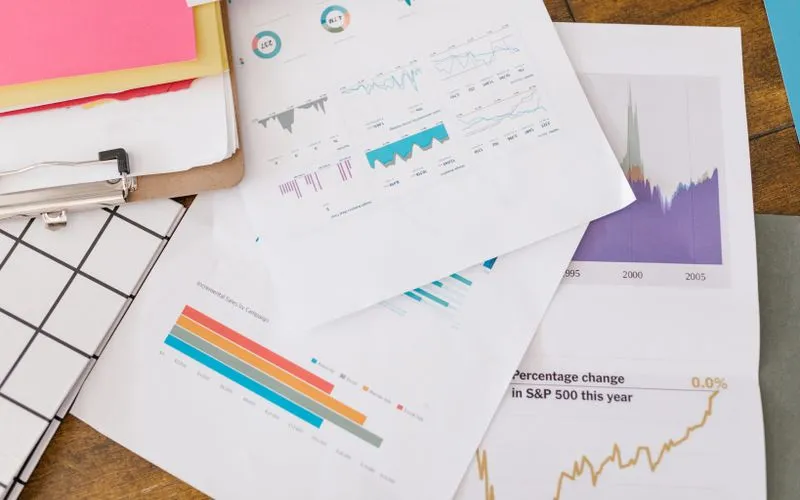
An operational playbook for running marketing analytics day to day, from choosing metrics that matter to building a reporting cadence your team uses.

A 2019 decision framework for evaluating customer data platforms: what they do, how they differ from a DMP and when the investment makes sense.

Five mistakes that undercut personalization programs in 2019, from segment-as-personalization confusion to skipping control groups, and how to fix each one.

A snapshot of the customer data platform category in 2018: how it differed from a DMP, which vendors defined it and why GDPR made first-party data valuable.

A decision framework for business owners asking a bigger question than compliance in 2018: should privacy become part of how you compete, not just a checkbox.

What shifted in personalization during 2018: GDPR forcing a rethink of consent data, more customer data platforms and personalization fatigue among users.

The business case for a customer data platform in 2018: what fragmented data costs a business and what changes once it's unified into one profile per customer.

How GDPR compliance works for a marketing team: lawful basis for data, consent versus legitimate interest and what changed for email and analytics in 2018.

How marketing personalization works under the hood: rules-based versus algorithmic approaches, the data pipeline behind them and which one to build first.

A snapshot of what changed conversion optimization in 2017: mobile-first indexing, session recording tools and why testing became affordable for small teams.

A year-in-review look at how marketing personalization shifted in 2017, from Messenger chatbots to predictive tools within reach of smaller teams.

An operational playbook for personalization in 2016: what data to use, where to apply it first and how to avoid the creepy line that sinks most efforts.

How personalization engines decide what to show each visitor, from rule-based segments to collaborative filtering, and the data pipeline underneath both.

A step-by-step walkthrough for building an app store optimization strategy in 2015, from keyword research through the icon and reviews that move rankings.

A dedicated landing page focused on one goal converts better than your homepage. Here's why landing pages work and the mistakes that kill conversions.

How data-driven marketing works in practice: the data sources it draws on, the decisions it changes and the setup a small team needs to run on it.

The app store optimization mistakes that suppressed rankings in 2015: keyword stuffing, weak screenshots, mistimed rating prompts, with the fix for each.

A breakdown of what a conversion funnel measures, why small leaks at each stage cost more than they look and how funnel thinking changed budgets in 2014.

Five mistakes businesses keep making with website personalization in 2014, from testing on segments too small to matter to slowing pages with extra scripts.
How attribution models assign credit for a sale, from simple last-click rules to algorithmic and marketing mix approaches, and where each breaks down.

A framework for mapping and prioritizing your conversion funnel in 2014, now that visitors move across multiple devices before they buy.

An illustrative walkthrough of how a mid-size retailer used behavior-based personalization to fix a homepage that was underperforming for returning visitors.
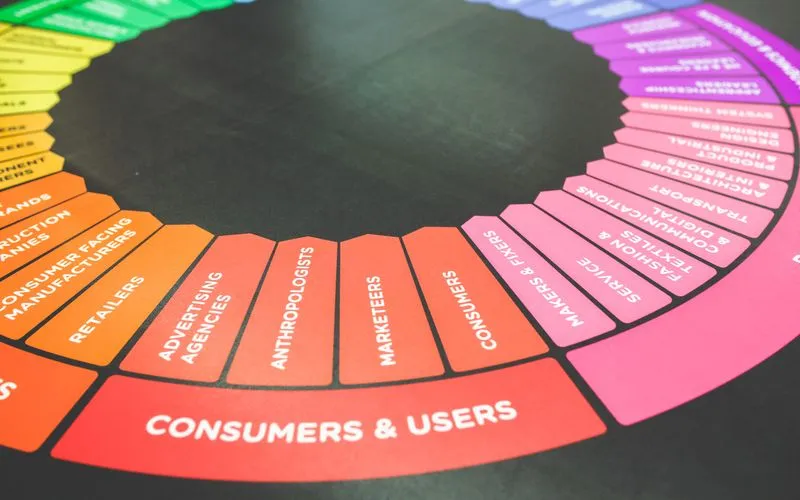
A look back at 2014, the year multi-touch attribution went mainstream and businesses finally had to reckon with customers who cross devices before buying.

A year-in-review look at A/B testing in 2012, as Google folded Website Optimizer into Analytics and testing spread onto mobile.

Where A/B testing came from, from Claude Hopkins's mail-order coupons to the tools every marketer can run a test with in 2012.

A decision framework for whether conversion optimization deserves real investment in 2011, and what to check before committing a budget to it.

How Google Analytics is built, from Urchin's original tracking code to GA4's event model, and what that architecture means for your numbers.

Hands-on conversion optimization tactics for 2011, now that tools like Optimizely and Visual Website Optimizer let marketers run tests without a developer.
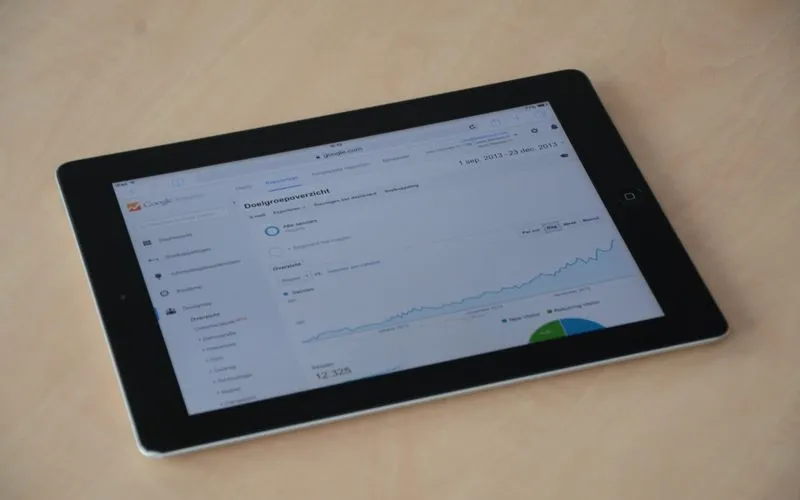
What a business needs to decide about web analytics in 2010: which tool fits, how much time it deserves and what to ignore.
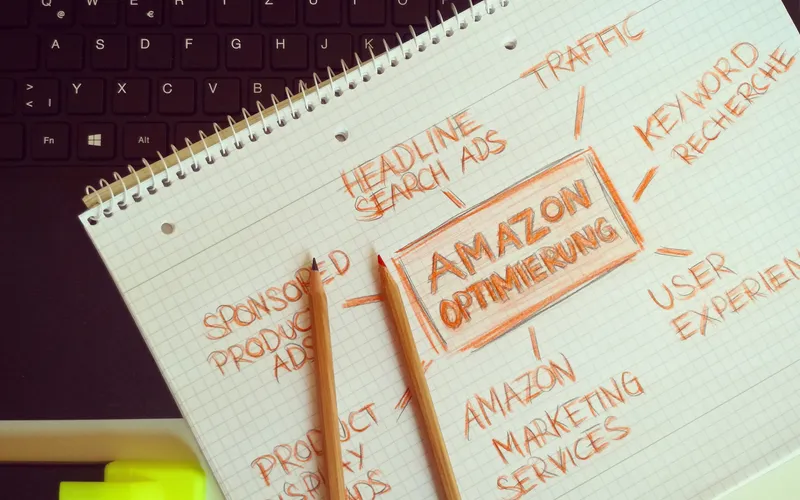
A decision framework for landing page optimization in 2010: when the investment pays off, when it's premature, and how to tell the difference.

How web analytics works, from pageviews and sessions to goals, segmentation and the shift toward first-party measurement.

How to build a conversion optimization program in 2009, when squeezing more from existing traffic matters more than winning new visitors.

A step-by-step guide to setting up a real web analytics strategy in 2008, from defining goals to building a reporting habit that survives a tighter budget.
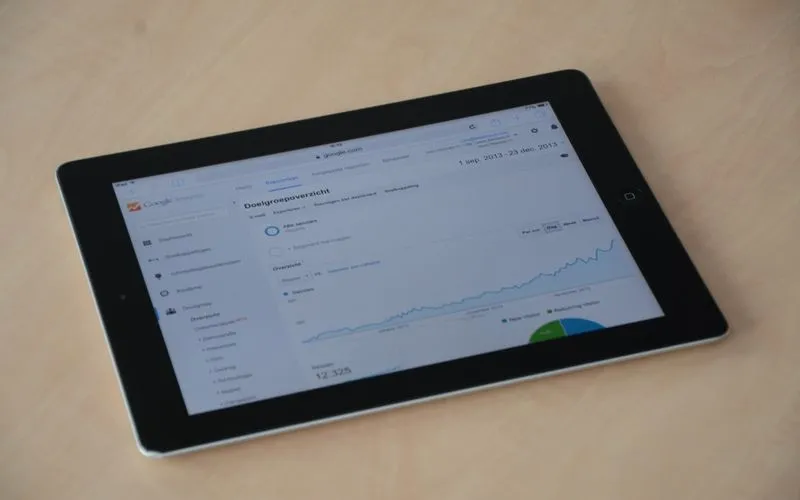
A look back at 2006, the year free web analytics went from novelty to expectation and forced the whole industry to compete on features instead of price.

Google's move into web analytics is already reshaping the market months before its own tool has shipped, and every vendor is reacting.
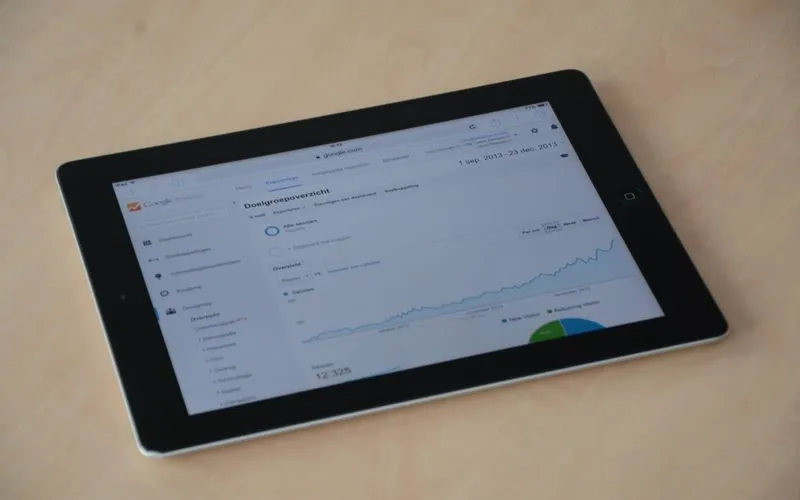
The business case for web analytics in 2005: what it costs to fly blind, and how measurement turns marketing spend into a decision you can defend.

A step-by-step playbook for putting the newly available Google Analytics to work, from goal setup through weekly reporting.
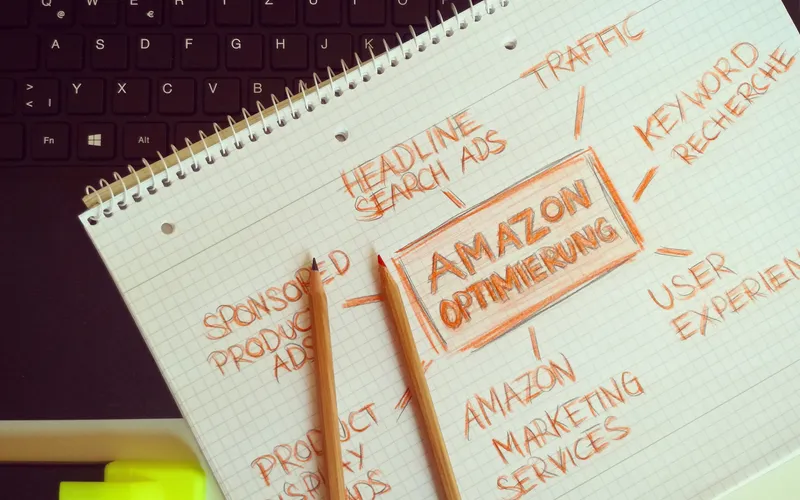
From Google AdWords making every click cost money to the first commercial testing platforms, how conversion optimization became a discipline of its own by 2004.

Nine concrete web analytics practices for 2002, from choosing between log files and page tags to segmenting visitors who convert.

A ground-up process for planning a landing page design strategy in 2002, for a business that has never approached its pages systematically before.
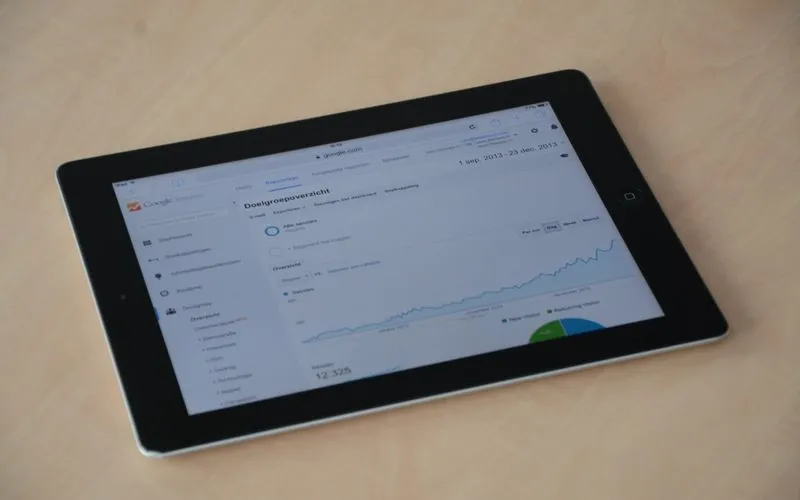
A new EU privacy directive, a post-crash push for measurable ROI and consolidation among analytics vendors defined web analytics for businesses in 2002.
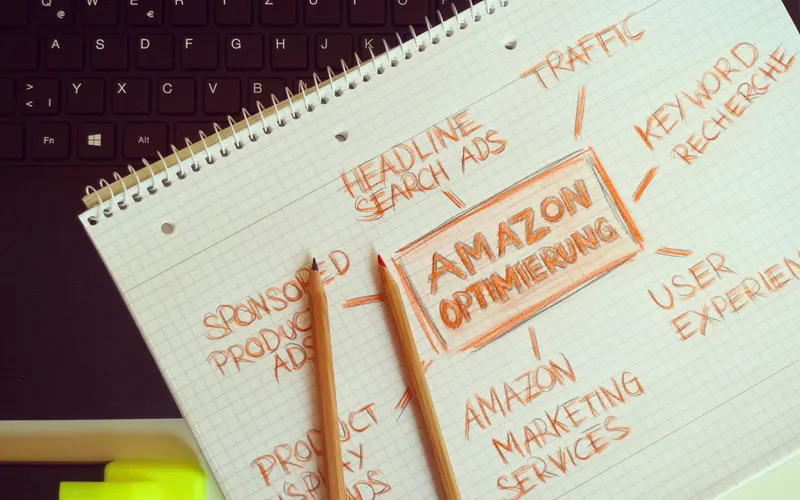
With ad budgets shrinking after the dot-com crash, 2001 was the year businesses started measuring conversion instead of just traffic.

If people can't easily use your site, nothing else in marketing matters. A practical breakdown of how usability drives conversions, trust and site design.

A step-by-step process for finding and fixing conversion leaks in 2001, using server logs and manual page comparisons rather than dedicated testing software.

A federal accessibility deadline, a widely read new book and a still-splintered browser market defined what usability meant for businesses in 2001.

An operational process for planning, building and refining landing pages in 2000, built around the constraints of dial-up speeds and a two-browser web.

The privacy fights, vendor shifts and declining click-through rates that defined web analytics for businesses in 2000.

Ten specific, tested tactics for landing pages built in 2000, from dial-up load times to single-purpose page design.

A working process for choosing, setting up and using web analytics in 2000, before dashboards were simple and before most tools were free.

In 1999, e-commerce traffic finally forced marketers to treat usability as a revenue issue instead of a design afterthought.

Website usability didn't start with the web: it grew out of decades of human-computer interaction research that found a mainstream audience in the late 1990s.