How Virtual Reality Marketing Changed Marketing in 2016
A year-in-review look at what the consumer VR launches of 2016 did to marketing budgets, agencies and brand campaigns.
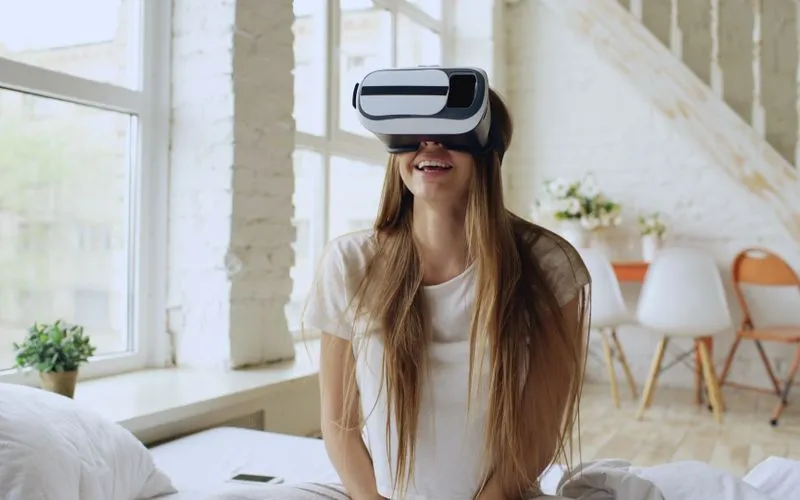
2016 is the year most people mean when they talk about VR finally arriving. Oculus Rift shipped to consumers in March, HTC Vive followed a month later and Sony’s PlayStation VR launched in October, giving the format its first real install base after years of prototypes and developer kits. For marketing, this wasn’t a huge shift in daily campaign work for most businesses, but it did change the conversation at the industry level in a few specific ways worth tracking.
Big brands used VR as a press strategy, not a reach strategy
Because headset ownership was still small relative to the overall population, brands that built full VR experiences in 2016 generally weren’t doing it to reach a mass audience directly. They were doing it to generate press coverage and to be seen as early adopters of new technology, since a well-executed VR campaign reliably got written up by tech and marketing press in a way an ordinary digital campaign didn’t. This meant VR spend in 2016 was concentrated among larger brands with budget to treat it as an R&D and publicity line item rather than a core acquisition channel.
360 video became the accessible version of the trend
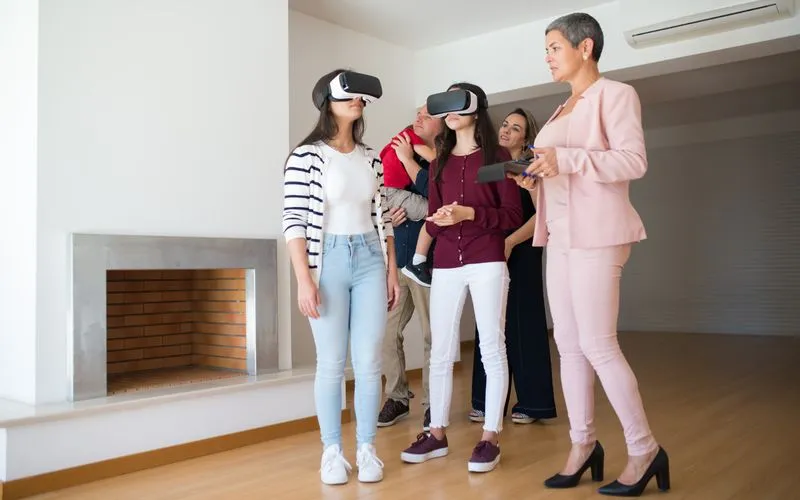
For businesses without VR-campaign budgets, 360-degree video offered a lower-cost way to participate in the same trend. Facebook and YouTube both supported native 360 video by 2016, meaning this content reached ordinary social feeds without requiring a headset at all, just a phone or mouse drag to look around. This drove noticeably more adoption than full VR experiences over the year, especially in travel, real estate and event marketing, where “look around this place” content mapped naturally onto the format.
In-person activations became the dominant distribution model
Since most consumers didn’t yet own a headset, brands that wanted people to experience full VR content in 2016 mostly did it through physical activations, trade show booths, pop-up experiences, retail demos, where the brand supplied the hardware. This added meaningful logistics cost on top of production cost and meant VR marketing reach was often limited to however many people could physically visit an activation, a different model from typical digital distribution.
Agencies started building dedicated VR production capability
A number of digital and creative agencies invested in VR production skills and equipment during 2016, anticipating client demand would grow as headset adoption increased. This created a small but real new services category, 360 video production, VR experience design, sitting alongside more established digital services, though it remained a specialty offering rather than a mainstream one by year’s end.
The gap between hype and adoption stayed wide
Despite the press attention, headset sales through 2016 measured in the low millions worldwide, a small fraction of smartphone or even tablet ownership. This gap between media coverage and actual consumer adoption was a real factor in how businesses budgeted for VR: most treated it as an experimental, small-scale line item rather than reallocating meaningful budget away from established channels like search and social.
What carried forward
The lasting effect of 2016 wasn’t that VR marketing became mainstream that year, it didn’t, but that it established a real production ecosystem and a body of case studies that gave later, more selective adoption something to build on. 360 video in particular proved durable, since it didn’t depend on hardware adoption the way full VR experiences did, and it remained a viable format for businesses well after the initial headset hype had settled into a smaller, steadier niche.