A Practical Guide to Virtual Reality Marketing
How VR marketing worked in 2016, from 360-degree video to headset demos, and what it realistically cost to try.
2016 was the year consumer VR hardware shipped. The Oculus Rift launched in March, the HTC Vive followed in April and PlayStation VR arrived in October, giving marketers real headsets to design for instead of prototypes. That didn’t mean every business needed a VR campaign, but it did mean VR marketing moved from a novelty conference demo to something worth understanding the mechanics of. Here’s how it worked.
The two tiers of VR marketing
360-degree video was the accessible entry point. Shot with multi-camera rigs or dedicated 360 cameras, it let viewers look around a scene by dragging their phone or mouse or by turning their head if watching through a basic cardboard-style viewer. YouTube and Facebook both supported native 360 video playback by 2016, which meant this content could reach a normal social feed without requiring anyone to own a headset. Real estate walkthroughs, hospitality tours and event recaps were common early uses, since the format suited “look around this place” content naturally.
Full VR experiences built for Rift, Vive or PlayStation VR were a different tier entirely, involving actual 3D environments, often interactive, that required someone to own or have access to a headset. This was a much smaller reachable audience in 2016, since headset sales were still in the low millions worldwide, but it produced a far more immersive experience and got significant press attention when brands did it well, which some companies used deliberately for the publicity value rather than the direct reach.
What it cost to try
360 video was within reach for a mid-size marketing budget: a decent 360 camera rig plus stitching software, or a production agency that had already invested in the gear, could produce usable content for a few thousand dollars, similar in range to a well-produced regular video shoot. Full VR experience development was a different order of magnitude, requiring 3D artists, game-engine developers (Unity and Unreal Engine were the common tools) and considerably more time, often putting it out of reach for anything but a real product launch or a brand with marketing budget to spend on experimentation.
Where VR marketing made sense
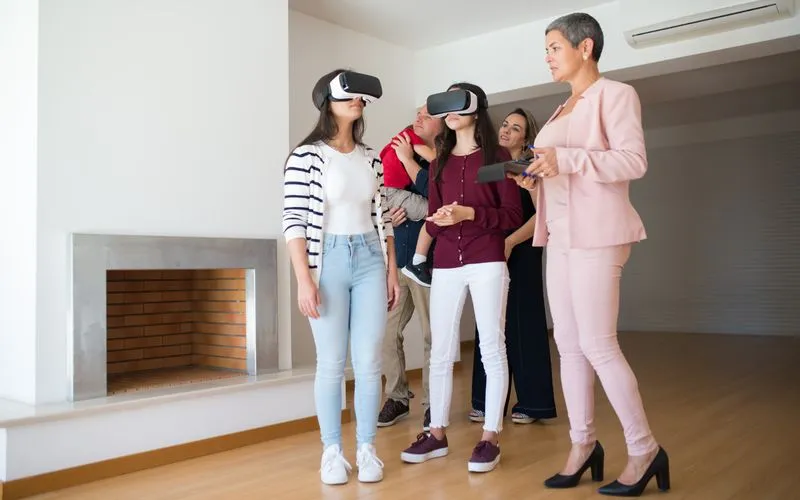
VR content worked best where physical presence or spatial understanding was part of the value proposition: touring a property before visiting in person, trying a product in a simulated setting before buying or experiencing a destination before booking travel. It worked less well as a generic brand-awareness gimmick bolted onto a product that had nothing spatial about it, since the cost and production complexity didn’t match the marketing return.
Distribution was the real constraint
Even well-made VR content needed somewhere for people to experience it. 360 video benefited from native support on major platforms, so distribution wasn’t a huge additional hurdle beyond normal video promotion. Full VR experiences had a harder distribution problem: someone needed a headset, which in 2016 meant either they’d bought one themselves or a brand set up an in-person activation with headsets on hand, at a trade show, retail location or event, which added logistics cost on top of production cost.
A realistic starting point
For most businesses in 2016, the practical entry point into VR marketing was 360-degree video distributed through Facebook and YouTube, not a full headset experience. It required real production investment but not the six-figure budgets that full VR development often did, and it reached an audience that already existed on platforms people were using anyway. Full VR experiences made more sense as a deliberate press and brand-building play for companies that had budget to treat it as R&D rather than a core marketing channel.