A Practical Guide to Web3 Marketing
What NFTs, token gating and blockchain-based loyalty do differently from a normal rewards program, and how to tell a genuine Web3 mechanic from a cash grab.
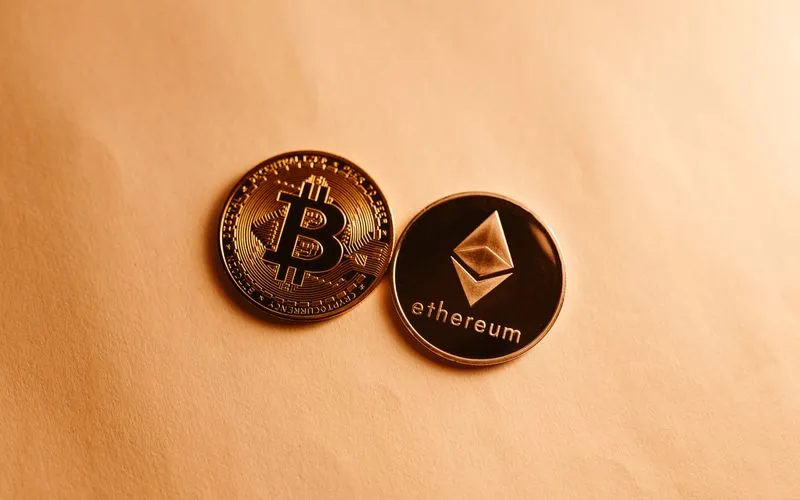
Web3 marketing arrived in 2022 wrapped in enough jargon that it was hard to tell what, mechanically, was new. Strip away the terminology, tokens, NFTs, the metaverse, decentralization and there is a specific, understandable mechanic underneath: giving a customer something they verifiably own, rather than access they’re merely granted and can lose the moment a company changes its rules.
The mechanical difference from a normal loyalty program
A traditional loyalty program is a database entry a company controls. The company can change the rules, devalue the points or shut the program down and the customer has no recourse because they never owned anything, they held a promise. An NFT or token-based membership, recorded on a public blockchain, works differently: the customer holds an asset that exists independent of the company’s database, that they can keep, sell or trade regardless of what the issuing brand later decides to do. That is the actual innovation. Whether it matters to a given customer depends entirely on whether owning the thing, versus merely having access to it, changes their behavior.
Where this mechanic did real work
Token-gated communities were the clearest working example: holding a specific NFT or token functioned as a membership card that unlocked a private community, early access to products or real-world events, and because the token could be resold, it created a genuine secondary market for that access, something a normal loyalty tier never had. This worked best when the ongoing value, the community itself, continued access, status, was the point, and the token was simply the mechanism for proving membership.
Where it was just a cash grab wearing a marketing costume
The failure mode was equally mechanical: brands minted NFTs, priced them and marketed them primarily as things that would appreciate in value, with little or no ongoing utility behind the purchase. When the speculative NFT market cooled sharply through 2022, these projects had nothing left to offer, because the “value” was never the product or community, it was the hope of resale. Customers who bought in as investors rather than members felt burned, and burned customers talk. This is the pattern that did the most reputational damage to the broader category that year.
How to tell which one you’re building
Ask what the token or NFT unlocks a week, a month and a year after purchase. If the honest answer is “hopefully it goes up in value,” you are running a speculative asset sale with marketing language on top, not a loyalty mechanic, and you are taking on real legal and reputational risk by dressing it up otherwise. If the honest answer is a specific, ongoing thing, access, community, status, discounts, that exists regardless of what the token later trades for, you are using the mechanic as intended.
The practical constraints that mattered in 2022
Wallets, gas fees and blockchain terminology remained confusing for mainstream customers, which meant any token-gated program aimed at a general audience needed serious onboarding support or it simply excluded the people it was trying to reach. Regulatory scrutiny around digital assets was also tightening through the year, which made the line between a collectible with utility and an unregistered security a question worth an actual legal review before launch, not an afterthought.
What this means for most businesses
For a business without an already crypto-engaged audience, the specific mechanic, blockchain-verified ownership, mattered less than the underlying idea it was built to express: give loyal customers something that feels like a real stake rather than a revocable perk. Plenty of that can be built without a token at all. Where the audience was Web3-native, the mechanic itself was the draw, and it worked exactly as well as the ongoing value behind it, and no better.