Digital Business Marketing Awards
Social

Mastering The Creator Economy: A Marketer's Playbook

How the creator economy reshaped digital marketing in 2021, and the practical playbook for putting it to work.

By Digital Business Marketing /

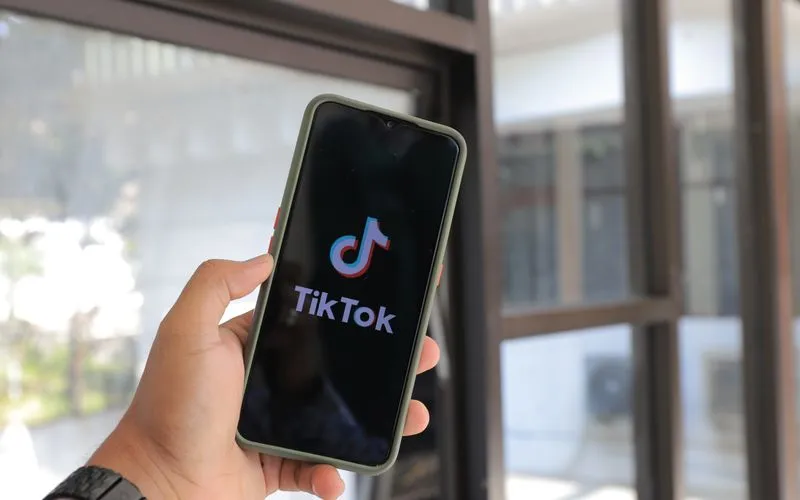
Featured image for “Mastering The Creator Economy: A Marketer's Playbook”: The Creator Economy

The Creator Economy reshaped the marketing playbook in 2021. Below, we unpack the strategy behind it, the mistakes that tripped most teams up, and the practical steps that separated winners from the rest.

Plenty has been written about the creator economy, much of it hype. The goal here is the opposite, a grounded, practical breakdown you can act on this week, drawn from what actually moved the needle for real businesses around 2021.

The short version:

  • The Creator Economy compounds over time: consistent effort beats sporadic bursts.
  • Get clear on one objective and your audience before choosing tactics.
  • Measure what maps to revenue, not vanity metrics.
  • Start small, prove what works, then scale deliberately.

What The Creator Economy really means for your business

The Creator Economy thrives on relevance and timing. Audiences can smell a sales pitch instantly, so the brands that win treat these channels as a place to be genuinely useful and human, not just another billboard.

The reason the creator economy matters so much comes down to leverage. Get it right and the same effort produces outsized returns; get it wrong and you pour time and money into activity that never compounds. In a competitive market, that gap decides who grows and who stalls.

Who should care about The Creator Economy

The Creator Economy isn’t only for big brands with big budgets. It’s most valuable for any business that has to earn attention and trust before a sale, from solo founders and local shops to growing teams that have outgrown word-of-mouth. If your customers research online before they buy, the creator economy belongs on your radar.

How to put The Creator Economy into practice

The teams that got the creator economy right tended to share the same habits. Use these as your starting checklist:

  • Pick the platforms where your audience actually spends time.
  • Post consistently, momentum beats sporadic perfection.
  • Lead with value and personality, not constant promotion.
  • Engage in the comments; reach follows relationships.
  • Watch what resonates and make more of it.

Common mistakes to avoid

Even experienced teams stumble with the creator economy. These are the pitfalls that quietly cost the most:

  • Broadcasting promotions instead of starting conversations.
  • Spreading thin across every platform instead of winning one.
  • Buying followers who never engage or convert.
  • Going quiet for weeks, then expecting the algorithm to reward you.

How to measure success

The Creator Economy is noisy, so cut through it by tracking what actually moves the business rather than what merely looks busy.

  • Engagement rate, not follower count
  • Click-throughs to your site
  • Conversions from social traffic
  • Audience growth among the right people

When The Creator Economy makes sense, and when it doesn’t

The Creator Economy works best when you have something genuinely worth promoting and the patience to let it compound. If your product solves a real problem and you can commit to consistent execution, the returns build on themselves.

It’s a poor fit when you need a single quick win with no follow-through, or when the fundamentals, a clear offer, a defined audience, a working sales process, aren’t in place yet. Fix those first and the creator economy amplifies them; skip them and it simply spreads a weak message faster.

A simple The Creator Economy playbook

If you’re starting close to scratch, work through these steps in order:

  1. Pick the one platform where your audience is most active.
  2. Define a simple, repeatable content format.
  3. Post consistently and reply to every comment.
  4. Test what resonates and make more of it.
  5. Turn engaged followers into subscribers and customers.

What good looks like: a quick example

Consider two competitors with similar products. One chases every new tactic and abandons each before it matures. The other commits to the creator economy, measures honestly, and refines month after month. A year later the difference isn’t talent or budget, it’s consistency. The second business built an asset that keeps working; the first is still starting over. That contrast is the whole argument for treating the creator economy as a discipline rather than a campaign.

Your first 30 days

The fastest way to learn the creator economy is to run one small, honest experiment. Pick a goal, set a tiny budget of time or money, execute, and measure against that goal. Whatever happens, you’ll come out with evidence instead of opinions, and that’s the foundation everything else builds on.

Where it was heading in 2021

Social platforms in 2021 rewarded native, authentic content over polished ads. Communities and creators became the most efficient path to reach an engaged, ready-to-buy audience.

Looking back, the businesses that treated this as a long-term capability, not a one-off campaign, are the ones still compounding returns from it today.

Frequently asked questions

Is the creator economy still relevant today?

Yes. The specific tools around the creator economy keep evolving, but the underlying principle, meeting customers where they are with something genuinely useful, is as relevant now as it was in 2021. Businesses that treat it as a long-term capability keep benefiting.

How long does it take to see results from the creator economy?

Expect a ramp rather than an overnight win. Quick experiments can show early signal within a few weeks, but the compounding returns usually arrive over several months of consistent, focused execution.

Do small businesses really need the creator economy?

Often they benefit most. You don’t need a big budget; you need focus. A small team that executes the creator economy consistently can outperform a larger competitor that spreads itself thin across everything at once.

What does the creator economy cost to get started?

Less than most people assume. The Creator Economy rewards focus and consistency far more than raw budget, so you can start small, often with time rather than money, and reinvest as you learn what works. The expensive mistake is spreading a large budget thinly before you’ve found what actually converts.

How is the creator economy different today than it was in 2021?

The tools and platforms have changed, and they’ll keep changing. What hasn’t changed is the core: understand your customer, offer something genuinely useful, and measure honestly. Treat the latest tactics as new ways to express those fundamentals, not as replacements for them.

The bottom line

Master the fundamentals of the creator economy, measure honestly, and stay consistent, that’s how this channel turns into durable growth instead of a one-off spike.

Done consistently, the creator economy stops being another task on the list and becomes a genuine growth engine for the business. The hard part isn’t knowing what to do; it’s doing it every week.


Keep exploring: browse more Social Media Marketing guides, see everything we published in 2021, or check out the Digital Business Marketing Awards.

Keep reading

Related articles

All Social →