The Creator Economy Trends Shaping 2021
A snapshot of the specific developments that turned 'creator economy' from a niche phrase into a mainstream business story in 2021.
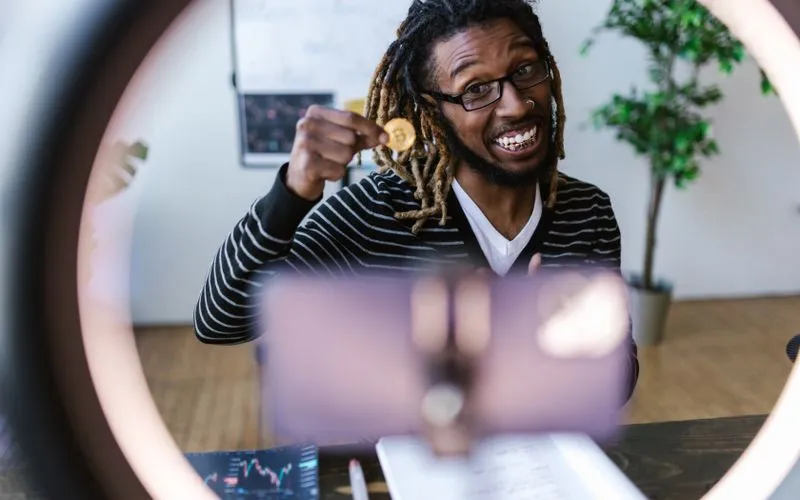
“Creator economy” turned into a phrase you’d see in mainstream business coverage in 2021, not just marketing newsletters. A handful of concrete developments drove that shift, and they’re worth naming specifically rather than talking about the trend in the abstract.
Subscription platforms proved creators could out-earn a brand deal
Substack’s writer roster grew through 2021 on the strength of paid subscriptions rather than ad revenue, and Patreon kept expanding as infrastructure for creators across video, podcasting and art to earn recurring income directly from fans. OnlyFans, despite a highly public and short-lived attempt to change its content policy mid-year that it quickly reversed after backlash from creators, kept growing its subscriber-funded model. Together these platforms made the point unavoidable: an audience that pays a creator directly is worth more, and behaves differently, than one being monetized purely through ad impressions or brand deals.
Venture capital started treating creators as a market, not a marketing channel
Investment poured into tools built specifically for creators in 2021, from newsletter and membership platforms to link-in-bio tools and creator-focused payment infrastructure. That capital was a bet that creators would increasingly run something closer to a small business than a hobby, which changed how seriously brands needed to take a creator’s own commercial interests when structuring a deal.
Platforms started testing direct payouts, ahead of a bigger 2022 push
Late in the year, major platforms began signaling and piloting their own creator monetization tools, direct tipping, bonus programs and fund experiments, responding to the pressure that independent platforms like Substack and Patreon were pulling talent away from ad-supported feeds. These were early and limited in 2021 compared to what rolled out more broadly the following year, but they marked the moment platforms stopped treating creator payouts as optional.
Brands shifted budget from one-off posts toward ongoing relationships
As creators built more durable, direct income streams, a single transactional sponsored post started to look like a worse fit for both sides. Brands that got ahead of this moved toward retainer-style relationships or collaborative content instead of a one-time payment for a single post, recognizing that a creator with subscriber trust to protect wasn’t going to risk it for a low one-off fee.
NFTs briefly entered the creator ownership conversation
Mid-2021’s NFT boom, driven largely by digital art and collectibles sales, put a new idea in front of creators: direct ownership and resale value tied to their own work, without a platform or label taking the largest cut. It didn’t reshape mainstream creator monetization by year’s end, but it added to the broader theme running through 2021: creators pushing for more direct control over how they made money from their own audience.
Taken together, these threads point the same direction. 2021 was the year creators stopped being treated as a marketing channel brands rented and started being understood as independent operators with their own businesses, their own leverage and their own terms.
Keep exploring: browse more Social Media Marketing guides, see everything we published in 2021 or check out the Digital Business Marketing Awards.