Why Mobile Apps Matter for Your Bottom Line
The business case for native apps two months after the App Store's July 2008 launch, and why the earliest movers had a real advantage worth quantifying.

The App Store opened on July 10, 2008, alongside the iPhone 3G, with around 500 apps available on day one. Within its first weekend it had already logged millions of downloads. Two months later, with real numbers to look at, it’s worth asking plainly what this means for a business’s bottom line, not just whether an app is a novelty worth having.
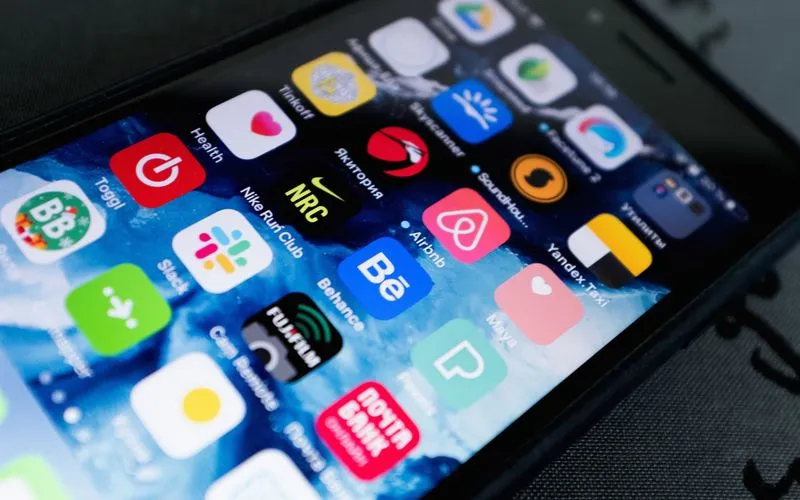
Distribution stopped being the hard part. Before the App Store, getting a mobile app in front of customers meant negotiating carrier deck placement, building for a handful of incompatible platforms and hoping someone found it. The App Store replaced all of that with a single, searchable catalog on a device customers already carried and already checked constantly. For a business, that meant the cost of getting discovered dropped sharply compared to anything possible a year earlier.
Early listing carried a real advantage. With roughly 500 apps at launch and the number climbing steadily but still modest through the summer, a business listing something useful in August or September of 2008 faced far less competition for browsing eyeballs than it would once the catalog grew into the thousands. That’s a genuine first-mover advantage, not marketing hype, and it was already narrowing week by week.
The apps making money were solving specific problems. Games and novelty apps got a lot of early attention, but the ones translating into real business value were doing narrower jobs well: a retailer’s store locator, a utility that saved a customer time, a tool that made an existing service easier to use on the go. A business asking whether an app was worth building got a clearer answer once it asked what specific task the app would do better than the mobile website could.
The cost of entry was still nontrivial. Building a native iPhone app required Apple’s SDK, released alongside the store, and a developer comfortable with Objective-C, a skill set that was suddenly in high demand and correspondingly expensive to hire. A business needed a real reason to justify that cost beyond simply wanting to have an app, since a poorly made one, sitting unused, delivered no return at all.
It reached a specific, valuable customer. iPhone owners in 2008 skewed toward higher household income and higher discretionary spending than the smartphone market as a whole, which made the audience attractive for the right kind of business, even though it was still a small slice of the total phone market compared to feature phones.
The measurable case. Unlike a mobile website, a native app installed on a customer’s home screen created a standing presence, an icon the customer saw every day, that cost nothing further to maintain once built. For a business with repeat customers, that persistent visibility was worth comparing directly against the cost of repeatedly buying attention through ads that disappeared the moment the spending stopped.
Two months in, the honest assessment was that mobile apps had gone from a fragmented, carrier-controlled headache to an attractive channel, but only for businesses with a specific use case and the budget to build something worth keeping on a customer’s phone. For those businesses, the bottom-line case was already becoming clear.
Keep exploring: browse more Marketing Strategy guides, see everything we published in 2008 or check out the Digital Business Marketing Awards.