
A Practical Guide to AI Marketing Automation
AI marketing automation shifts decisions from a rule someone wrote to a model that decides who to reach and when. Here's what works and how to adopt it safely.
Email Marketing
Email marketing and automation: the highest-ROI channel, from list growth to deliverability and lifecycle flows.
AI marketing automation shifts decisions from a rule someone wrote to a model that decides who to reach and when. Here's what works and how to adopt it safely.

A look back at how AI features quietly became default inside marketing automation platforms in 2025, from predictive send times to automated segment discovery.
Automated email is a tiny share of what most brands send, yet it drives a large share of email revenue. Here's the math behind that gap and why it happens.

An operational playbook for running marketing automation across channels in 2023, from lead scoring and CRM sync to AI drafting without losing brand voice.

A decision framework for whether your business is ready for email automation in 2023, what it costs and the mistake of automating before you have the data.

Nine concrete marketing automation tactics that held up in 2021, from cart abandonment flows to CRM-triggered sales handoffs, without the generic filler.

The developments that mattered for email marketers in 2021, led by Apple's Mail Privacy Protection announcement and what it meant for open-rate tracking.

A snapshot of the marketing automation landscape in 2021, as e-commerce-driven platforms grew fast and visual, no-code workflow builders became the default.

Five real developments that shaped email marketing in 2020, from the COVID-19 tone reset in March to the compressed, mostly-online holiday season in November.
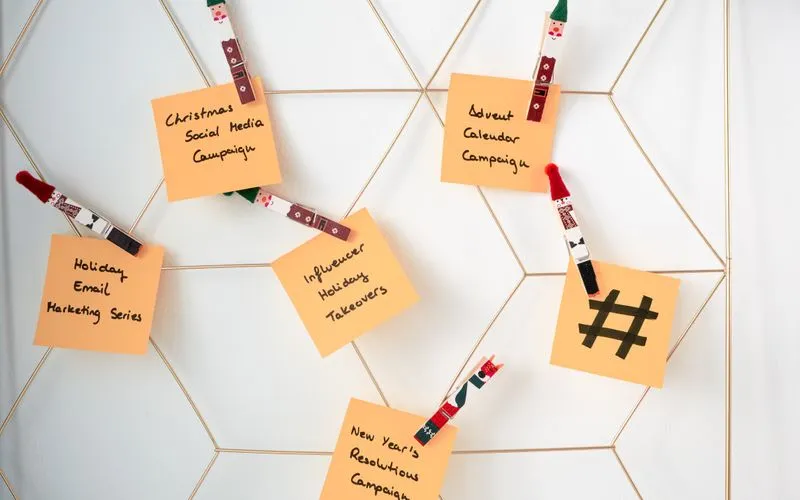
An operational playbook for email marketing built around what worked in 2020, when a surge in online buying and homebound subscribers rewrote inbox rules.

Marketing automation lets a small team send timely, relevant messages at a scale no one could manage by hand. Here is what to automate first and traps to avoid.

How GDPR, Adobe's acquisition of Marketo and the shift toward behavior-triggered messaging reshaped marketing automation in 2018.
The business case for email automation in 2017: the economics of triggered sends versus manual campaigns and why GDPR pushed companies toward smaller lists.

The developments that mattered in marketing automation in 2016: ABM going mainstream, predictive scoring tools maturing and Marketo going private.

A playbook for layering account-based marketing onto automation in 2016, when platforms added account scoring and engagement tracking on top of lead automation.
The best email ever written is worthless sitting in a spam folder. What decides whether a message reaches the inbox, and how to fix deliverability.

An operational playbook for running marketing automation in 2015, when tools for small teams made scoring, lifecycle stages and closed-loop reporting work.
Why deliverability got harder in 2015: the industry reworked mailing lists after Yahoo's strict DMARC policy, while Gmail leaned into engagement-based rules.

Ten marketing automation tactics that were working in 2015, when tools like Mailchimp and ActiveCampaign brought automation to teams too small for Marketo.
The developments reshaping email marketing in 2014: Canada's new anti-spam law, mobile-first design becoming mandatory and platform consolidation.
Why segmentation built for the desktop inbox was breaking down in 2013, as mobile opens climbed past half of all email and Gmail's tabbed inbox landed.
Sending one email to an entire list is the fastest way to waste it. Here is why splitting a list into meaningful groups lifts opens, revenue and deliverability.

An operational playbook for running a lead nurturing program in 2012: defining personas, mapping content to funnel stage and setting a sales handoff cadence.

How marketing automation went from a niche enterprise tool to a category worth acquiring, tracing Eloqua's 1999 founding through the deals that defined 2012.
Five email segmentation mistakes quietly killing list performance in 2012, from demographic-only splits to lists that never sunset inactive subscribers.

Five lead nurturing tactics B2B marketers put into practice in 2012 as platforms like Marketo, Eloqua and Pardot made scoring and drip sequences accessible.

A step-by-step guide to standing up a marketing automation program in 2012, from choosing a platform sized to your team to building your first nurture campaign.
An operational playbook for building an email automation program in 2011: mapping the customer lifecycle, choosing a platform and setting a testing cadence.
Twelve concrete email automation tactics worth setting up in 2011, now that trigger-based sending and lead-nurturing tools are standard platform features.

A newsletter is an audience you own outright, reached on your schedule with no algorithm in the way. Here is why most newsletters fail and what makes some work.

How email newsletters became a mainstream small-business and blogger tool by 2010, driven by RSS-to-email delivery and self-serve platforms that made it free.

An operational playbook for running an email marketing program in 2009: the calendar, the segmentation, the testing process and the review cycle.

Ten email marketing tactics that fit where the channel stands in 2009, from recession-driven list decay to the first social sharing buttons in campaigns.

Ten concrete email marketing tactics worth using in 2008, as tightening budgets push marketers toward the lowest-cost, highest-accountability strategies.
How the 2008 downturn reshaped marketing budgets and pushed email ahead of harder-to-justify channels, plus what social networks were starting to change.

A snapshot of email marketing in 2007: spam still dominated global traffic, mobile reading was just beginning and authentication became table stakes.

Why 2007 was the year email marketing's return stopped coming from cheap blasts and started coming from triggered, behavior-based sends that convert far better.

The business case for email marketing in 2006: why the cost structure and measurability make it one of the few channels that shows its return directly.

What changed for business owners weighing email marketing in 2006, now that two years of CAN-SPAM enforcement has shown who gets prosecuted and why.

A 2005 decision framework for business owners weighing whether email marketing is worth the investment, and what a first program should look like.
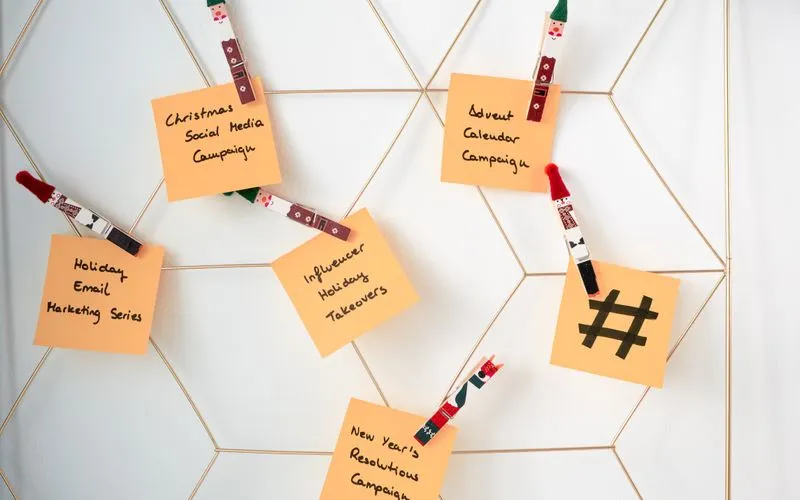
Email is the one marketing channel you own instead of renting from an algorithm, and it still returns some of the best ROI in marketing today.

The nuts and bolts of running an email marketing program in 2004: how lists get built, how sends reach the inbox and what CAN-SPAM requires in practice.

A year-in-review look at 2004: CAN-SPAM's first full year in effect, growing spam filter aggressiveness and how email marketing responded.

How a patchwork of state anti-spam laws that began in 1998 built the pressure behind the federal CAN-SPAM Act now nearing a Senate vote.
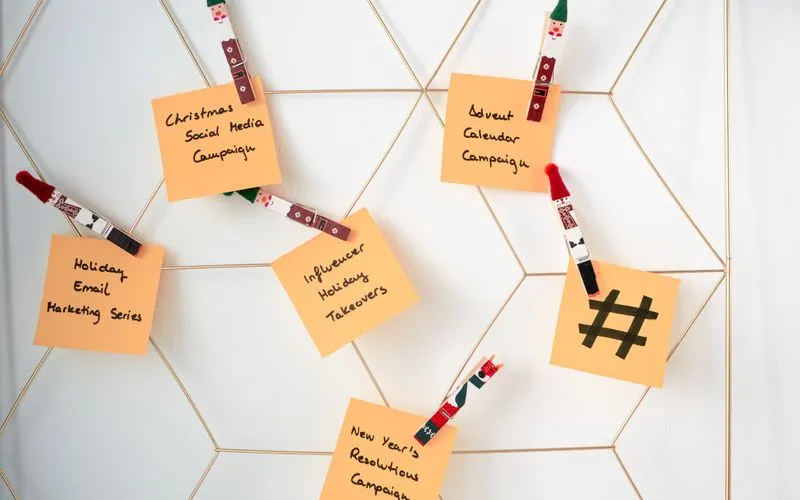
Why 2003 was the year email marketing stopped being self-regulated, from California's tough new opt-in law to Congress closing in on a federal standard.

How to build email compliance practices in early 2003, ahead of the federal anti-spam law moving through Congress and a growing patchwork of state rules.

How email marketing grew from a scrappy, unregulated tactic into a serious business channel by 2003, and what the newly signed CAN-SPAM Act meant for it.

An illustrative scenario of a mid-size retailer that clawed its way off a spam blocklist in 2002 by rebuilding its sending practices from the ground up.

How email marketing matured from a permission-based experiment in 1999 into an industry facing real filtering technology and a looming federal law by 2002.
Why 2002 was the year email deliverability became a board-level concern, from maturing spam filters to Europe's new opt-in rules.
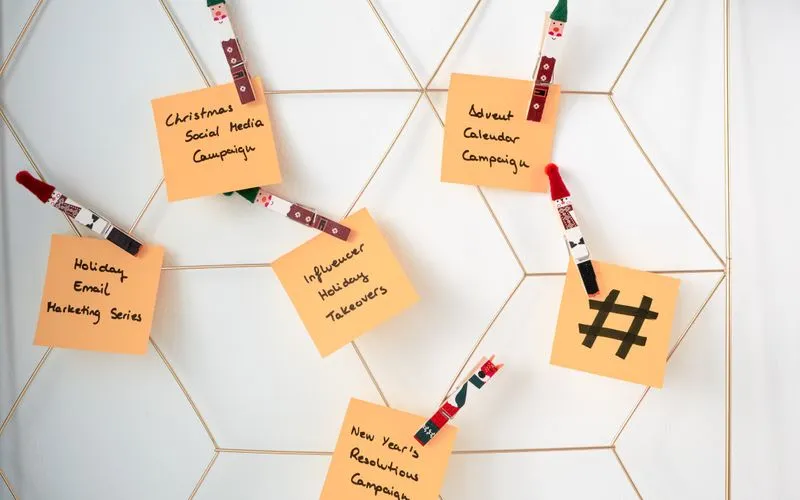
A 2002 guide to starting an email marketing program while ISP spam filters were getting sharper and Europe was moving toward mandatory opt-in rules.
How to build an email marketing program in 2001, a year when shrinking ad budgets pushed businesses toward the cheapest channel they already owned.
The mistakes that hurt email marketing programs in 2001, when tighter post-crash budgets pushed teams toward shortcuts that damaged deliverability.

The email marketing mistakes that cost businesses the most in 2000, from buying lists to ignoring the growing patchwork of state anti-spam laws.

An illustrative look at how a small mail-order retailer used a simple, permission-based email list to survive the 2000 slowdown in online advertising.

Five real shifts in how businesses sent email newsletters in 1999, from the permission marketing debate to the rise of free webmail.

How email marketing grew from a 1978 experiment on ARPANET into a mainstream business practice by the end of 1999.

An operational playbook for running an email newsletter in 1999, covering list-building, format, cadence and the tools available that year.

A step-by-step guide to setting up email marketing in 1999, back when list software meant LISTSERV and Majordomo, not a dashboard.