
Mastering Short-Form Video: A Marketer's Playbook
An operational playbook for short-form video in 2025: hook mechanics, the signals that drive distribution and how to keep producing through TikTok uncertainty.
Content Marketing
Content marketing, video and storytelling that earn attention and convert it into customers.
An operational playbook for short-form video in 2025: hook mechanics, the signals that drive distribution and how to keep producing through TikTok uncertainty.

Twelve short-form video tactics for 2025, a year that opened with TikTok briefly going dark in the US and closed with AI-generated video flooding every feed.

Twelve concrete short-form video tactics that were working in 2024, from hedging against the TikTok ban law to using YouTube's maturing Shorts monetization.

Where short-form video stood by the end of 2024: a law threatening TikTok's US future, YouTube Shorts' payouts and a format gone from novelty to default.

Where Google's helpful content system stood by late 2023, from its August 2022 launch through the September 2023 update and what it meant for low-value sites.

A year-in-review look at 2023's short-form video shifts: YouTube Shorts monetization, TikTok's congressional hearing and the first state ban attempt.

A decision framework for business owners weighing AI content creation in 2023, the year ChatGPT went mainstream and Google said quality beats method.

How the StoryBrand framework's hero-and-guide structure works, why feature lists lose to narrative and how to build a brand story audiences don't tune out.

The financial case for helpful content SEO: what Google's system penalized, and why sitewide demotion made unhelpful pages a balance-sheet problem.

From Vine's six-second loops to TikTok's algorithm-driven feed: the decade-long path that made short-form video the default marketing format by 2023.

How the ChatGPT boom of 2023 forced marketers to separate AI as a drafting tool from AI as a content mill, and the workflow that keeps speed without SEO risk.

How short-form video got here: from Vine's six-second loops through Musical.ly's merger into TikTok, to the Reels and Shorts response that defined 2022.

A 2022 build guide for short-form video, for a landscape where Reels and Shorts had matured, competition had spiked and the easy wins of 2021 were gone.

A step-by-step guide to building a short-form video strategy in 2021, when Reels was new, Shorts was in beta and TikTok's algorithm was rewriting the rules.

The mistakes that tripped up brands jumping into TikTok and Reels in 2021, from treating short-form video like a shrunk ad to ignoring discovery mechanics.
Five content marketing mistakes that got more costly in 2020, as brands rushed online and content output spiked but strategy often didn't keep up.

An illustrative 2020 case study: how one small B2B firm replaced a canceled conference calendar with a webinar funnel during the shift to remote work.

An illustrative 2019 case study in video marketing, when a Stories-and-IGTV content mix, not a single hero video, was what moved a small brand's sales.

A 2019 decision framework for content strategy, covering Google's E-A-T guidance, content pruning and why businesses were publishing less but going deeper.

A snapshot of where video marketing stood in 2019, from Instagram Stories' dominance to the shift toward sound-off, caption-led viewing.
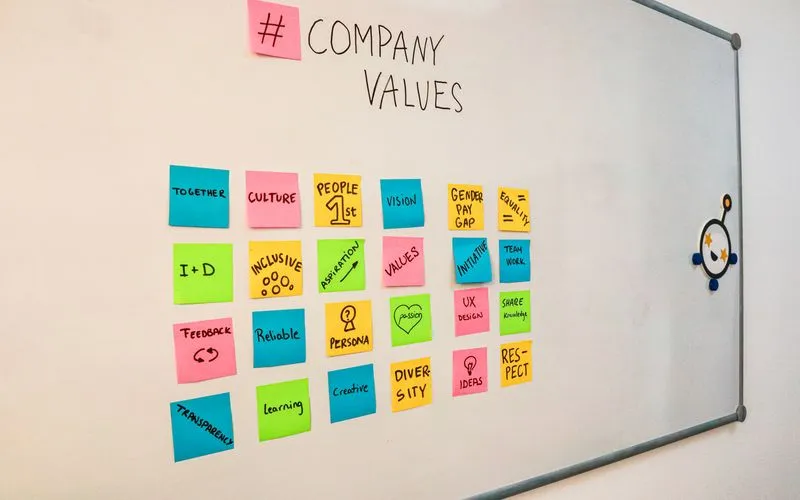
The bottom-line case for video-first strategy in 2018, once IGTV and cheaper vertical video production had shifted where attention and ad dollars were going.

A decision framework for going video-first in early 2018, before IGTV existed, when Stories and native feed video made video the default format everywhere.

How Google's shift toward semantic search, from Hummingbird through RankBrain, pushed HubSpot and the SEO industry toward the topic cluster model by 2017.

An operational playbook for video marketing in 2017, covering Stories, Facebook Watch and the live, short and long-form formats a content calendar needed.

A step-by-step guide to building the pillar-and-cluster content model, HubSpot's 2016-2017 answer to a search landscape reshaped by Hummingbird and RankBrain.

How Facebook's 2017 video-first feed, autoplay and live video changed what marketers needed video to do, plus a framework for making every clip earn its budget.

The live video mistakes tripping up brands in 2016, now that Facebook Live has opened to every page, from dead air to skipping the promotion before going live.

An illustrative case study in early 2016 live video, when Periscope and Facebook Live's early rollout rewarded unscripted content over polished production.

A 2015 case study in video marketing, when Facebook's native video overtook YouTube links in the feed and businesses had to relearn how video got watched.

Five real shifts in how content traveled in 2015: Facebook Instant Articles, Snapchat Discover and the quiet rise of dark social.

Four real shifts already remaking video marketing at the start of 2015, from Facebook's native video push to captioned, sound-off viewing on mobile.

The industry shifts that defined video marketing in 2014: Facebook's push into native autoplay video challenging YouTube, and Vine's peak as a short format.

Where SEO content stands in 2014: Panda 4.0 punished thin pages, Matt Cutts called out guest blogging for links and semantic search rewarded full answers.

The developments shaping content marketing ROI in 2014, from Facebook's shrinking organic reach to Panda 4.0 punishing thin content.

An operational playbook for video marketing in 2014: a lean production workflow, using YouTube's TrueView format to pay only for engaged views.

The 2014 financial case for SEO content: why Panda, Penguin and Hummingbird made thin content a liability, and how a real asset changes acquisition economics.

An operational playbook for proving content marketing ROI: setting a goal before you write, and reporting numbers leadership will trust.

The business case for short-form video in 2013, when Vine's six-second loops and Instagram's new video feature gave brands a cheap, fast way to earn attention.

Nine content strategy practices that hold up now that Google's Hummingbird update judges pages on whether they answer a whole question, not just a keyword.
A decision framework for weighing visual content marketing in 2013, when Pinterest, Instagram and infographics were reshaping how brands earned attention.

A decision framework for whether a business should adopt short-form video in 2013, grounded in Vine's January launch and early campaigns like Lowe's Fix in Six.

A snapshot of where content strategy stood in early 2013, from the shift away from keyword-stuffed pages to the rise of brand publishing and content teams.
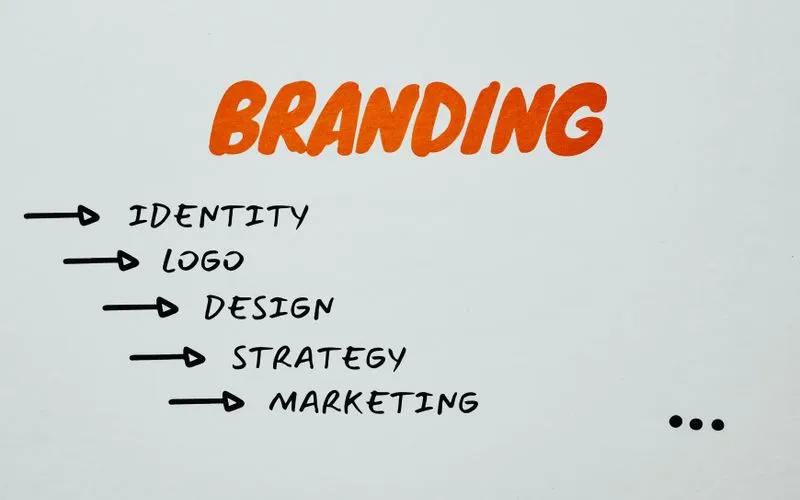
How visual content marketing worked in early 2013: why Pinterest and Instagram rewarded images, and the mechanics of hosting and optimizing them.
The mistakes that undermined brand storytelling efforts in 2012, from corporate polish that erased any real voice to treating one campaign as the strategy.
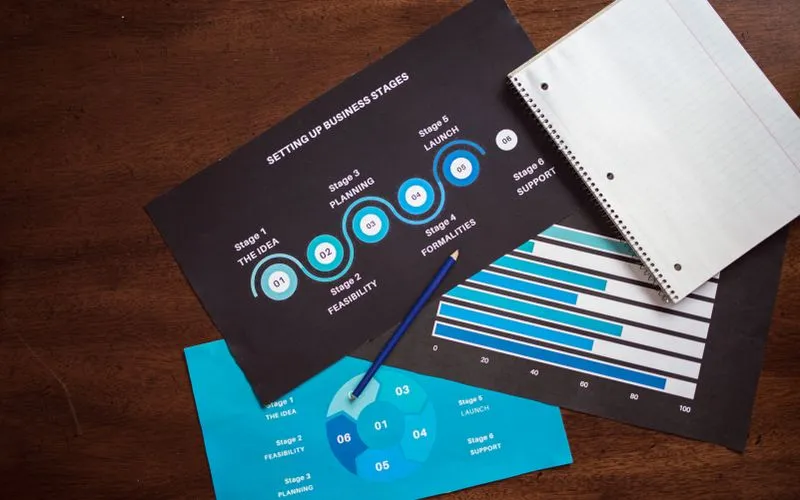
A step-by-step build guide for launching an infographic marketing strategy in 2012, from choosing data worth visualizing to the Pinterest-driven distribution.

The real forces reshaping content marketing in 2012: Google's Penguin update punishing manipulative links, Pinterest's rise and the pull of native advertising.

How online video grew from YouTube's 2005 founding into a mainstream channel by 2012, tracing the Google acquisition and Dollar Shave Club's viral launch.
What Dollar Shave Club's viral 2012 launch proved about brand storytelling, and how a smaller business without that budget can apply the same logic.

The mistakes that kept 2012's infographic boom from paying off for many businesses, from uncredited data to formats that ignored how Pinterest worked.
An operational playbook for content marketing at the start of 2012, for a landscape where Google's Panda update made thin content a liability, not a shortcut.

An operational playbook for content marketing in 2011, the year the practice got its first dedicated conference and editorial calendars became standard.

The developments that changed blogger outreach in 2011: disclosure rules under enforcement, Klout scores entering pitch decks and Pinterest's rise.

Twelve content marketing tactics worth using now that Google's Panda update rewards depth over volume, covering topic selection, search intent and leads.

The recurring mistakes that kept small business blogs from gaining traction in 2010, and a practical fix for each one.
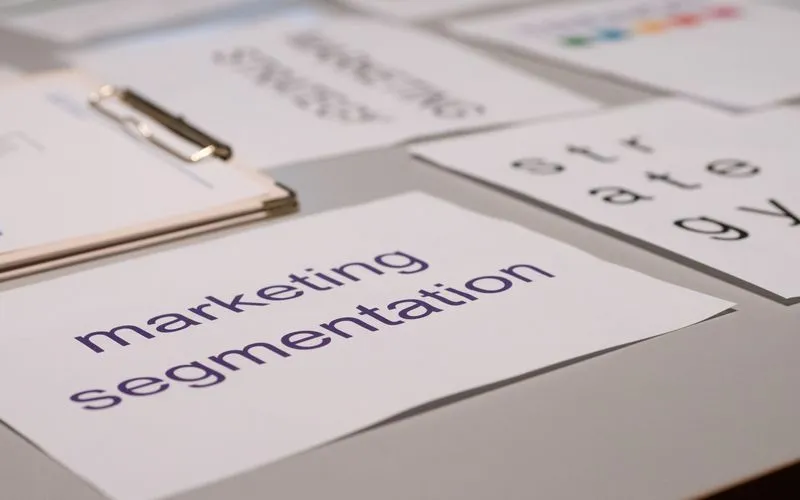
A snapshot of where content marketing stood in 2010: the Content Marketing Institute's founding, the iPad's effect on reading habits and budgets that held.

A composite, illustrative case showing how a small service business used a focused blog to generate real client inquiries in 2010.
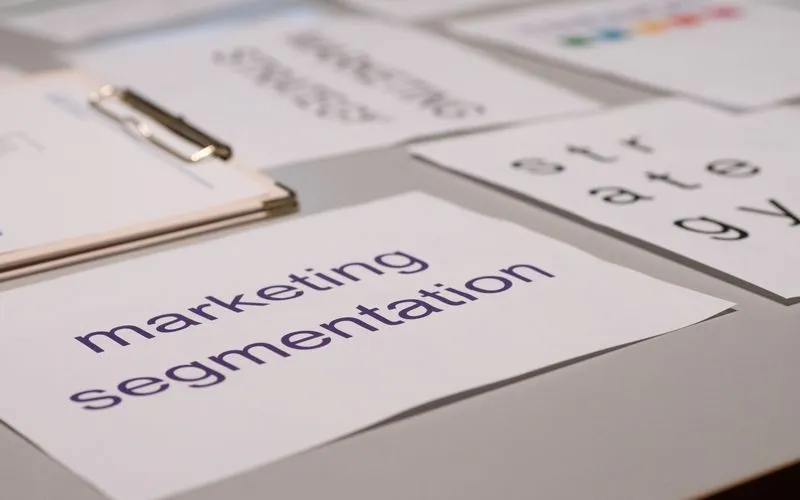
How a deepening recession pushed more businesses toward content marketing in 2009, and why the term is still catching up to the practice.

An operational playbook for running content marketing in 2009, when it meant a blog, a newsletter and a gated whitepaper rather than a dedicated department.

The developments that defined online video in 2008: Hulu's public launch, election-driven YouTube traffic and an economic downturn reshaping ad budgets.

Why content marketing is still an emerging, loosely defined term in 2008, and the specific developments pushing it toward becoming a recognized discipline.

An operational playbook for online video in 2008, covering Hulu's launch, tighter budgets from the downturn and lessons from this year's election video surge.

An operational playbook for online video in 2007, covering branded YouTube channels, the new Partner Program and what's changed since 2006's first viral clips.

The mistakes now showing up in year-two and year-three business blogs in 2007, from abandoned first bursts to deleting every critical comment.

Seven concrete online video tactics that work now that YouTube is the default host, from picking the right length to writing titles people search for.

An illustrative case study of a small B2B firm using business blogging in 2007, built from patterns that worked across real early corporate blogs.

The developments that pushed user-generated content into the mainstream in 2006, from Facebook opening to the public to Time naming You person of the year.

A step-by-step plan for launching a company blog in 2006, from choosing who writes it to deciding how often to publish.

What changed for online video in 2006: YouTube's growth and Google acquisition, easy embedding and the first wave of branded viral clips.

An operational playbook for working with user-generated content in 2006, built around what YouTube, Dove and early contest-driven campaigns did.

The recurring mistakes companies made launching blogs in 2006, from ghostwritten posts to treating the blog like a press release feed.

An illustrative look at a small kitchenware retailer that used the sudden arrival of free video hosting in 2005 to solve online video's bandwidth problem.

The business case for RSS: it is the plumbing behind podcasting and newsletter automation, and a distribution channel no platform can throttle.

A year-by-year look at what happened to podcasting in 2005, from the term's origin to Apple building it into iTunes.

How company blogs moved from engineer side projects to a recognized marketing channel between 2001 and 2005, and the early voices who made the case.

The year free video hosting arrived, Apple put video in your pocket and Adobe bought the company behind the format that would end up running it all.

A decision framework for whether your business needs an RSS feed in 2005, the year Microsoft added feed support to Internet Explorer and Apple added podcasting.
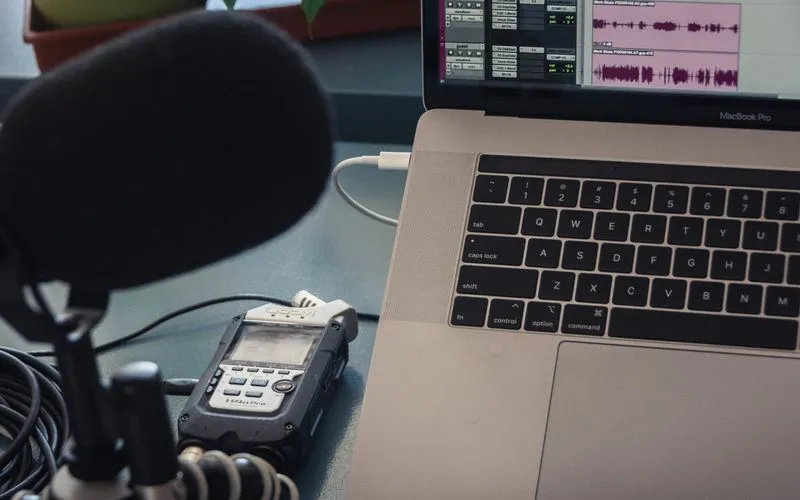
The business case for podcasting in 2005: what it costs to produce, why the audience is unusually attentive and where the real payoff comes from.

A step-by-step setup guide for a company blog in 2005, covering platform choice, comment spam, the new nofollow attribute and how to measure results.

As FeedBurner and Firefox's Live Bookmarks pulled RSS into the marketing mainstream in 2004, marketers kept making one mistake: treating it like email.

A snapshot of where online video stood in 2004: broadband crossing the halfway mark, viral branded stunts and a format war nobody had won yet.

The year Merriam-Webster named blog its word of the year and corporate blogging moved from oddity to a strategy that boardrooms started asking about.

An illustrative look at a small software company that turned a product-updates feed into a marketing channel, helped by FeedBurner and Firefox's Live Bookmarks.

A practical playbook for producing and distributing branded video in 2004, before YouTube existed, when bandwidth costs and format fragmentation ruled.

From a word coined in 1997 to a tool boardrooms are asking about in 2004: the actual timeline behind how blogging became a business channel.

The technical and editorial mistakes that broke RSS feeds for publishers in 2003, from malformed XML to feeds nobody could find.

How business blogging works: permalinks, topic clusters and internal links, why frequency stopped mattering as much as depth and how posts convert.

A step-by-step approach to planning, writing and maintaining web content in 2003, built around the lessons of Google's Florida update.
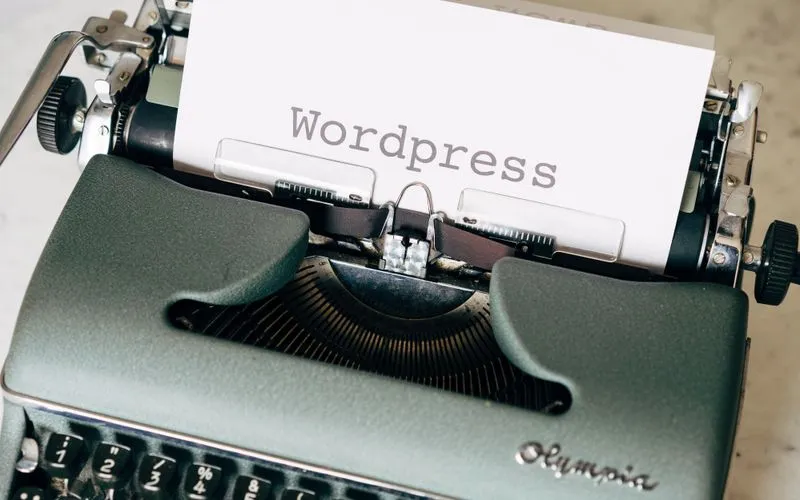
A look at how one online retailer used a full-content RSS feed to stay in touch with customers the year RSS 2.0 was finalized and email hit spam filters.

The year Google bought Blogger, WordPress launched and a presidential campaign proved a blog could out-organize a traditional media budget.

After the dot-com crash wiped out ad budgets, businesses that owned real content kept growing while banner-dependent sites disappeared. Here's why.