Digital Business Marketing Awards
Analytics

Landing Page Optimization: What Every Business Needs to Know

A practical look at landing page optimization in 2010: what changed, why it mattered, and how businesses can apply it today.

By Digital Business Marketing /

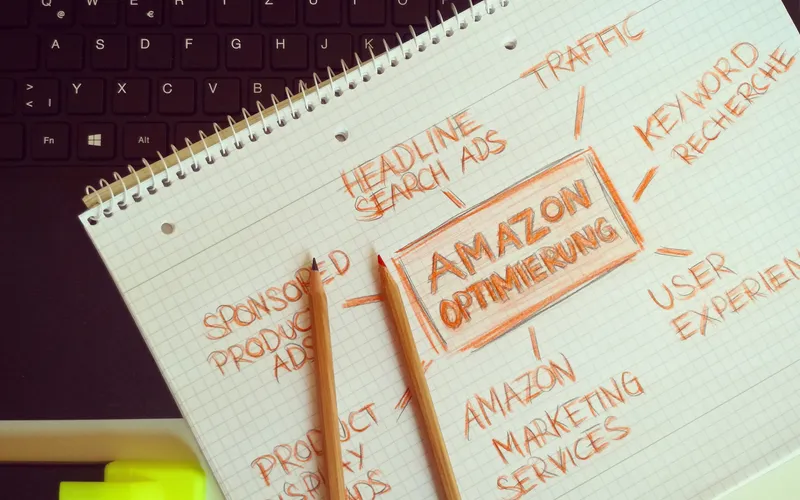
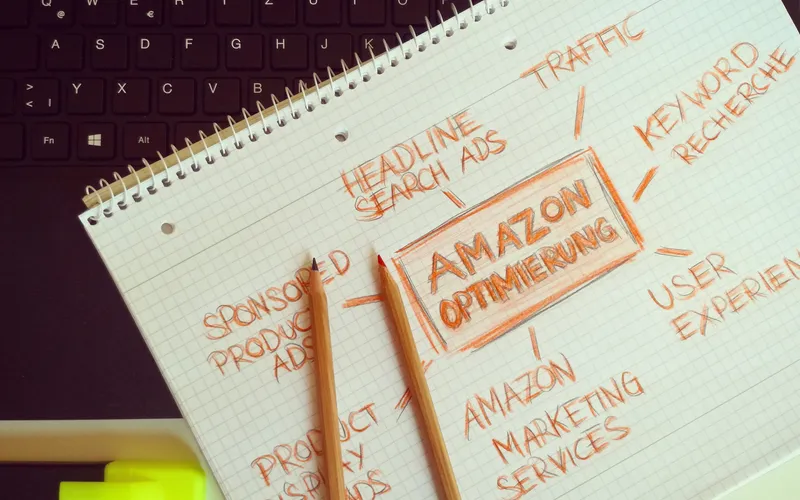
Featured image for “Landing Page Optimization: What Every Business Needs to Know”: Landing Page Optimization

Landing Page Optimization reshaped the marketing playbook in 2010. Below, we unpack the strategy behind it, the mistakes that tripped most teams up, and the practical steps that separated winners from the rest.

By the end of this article you’ll understand the core idea behind landing page optimization, the metrics that prove it’s working, the mistakes that quietly drain budgets, and a simple step-by-step plan to get started.

The short version:

  • Landing Page Optimization compounds over time: consistent effort beats sporadic bursts.
  • Get clear on one objective and your audience before choosing tactics.
  • Measure what maps to revenue, not vanity metrics.
  • Start small, prove what works, then scale deliberately.

What Landing Page Optimization really means for your business

Landing Page Optimization turns guesswork into decisions. The goal isn’t more dashboards, it’s connecting marketing activity to revenue so you can confidently double down on what works and cut what doesn’t.

What makes landing page optimization worth your attention is durability. Paid spikes fade the moment you stop paying, but the advantages built here tend to accumulate, creating an edge competitors can’t simply buy their way past overnight.

Who should care about Landing Page Optimization

If you’re responsible for growth, whether that’s your entire job or one of many hats, landing page optimization is worth understanding. You don’t need to become an expert overnight; you need enough fluency to set direction, ask sharp questions, and judge honestly what’s working and what isn’t.

How to put Landing Page Optimization into practice

The teams that got landing page optimization right tended to share the same habits. Use these as your starting checklist:

  • Tie every campaign to a revenue or pipeline outcome.
  • Trust trends over single data points.
  • Clean your tracking before you trust the numbers.
  • Report on decisions, not just metrics.
  • Kill what underperforms quickly and reinvest.

Common mistakes to avoid

Even experienced teams stumble with landing page optimization. These are the pitfalls that quietly cost the most:

  • Tracking everything and deciding nothing.
  • Trusting dirty data because the dashboard looks confident.
  • Reacting to single data points instead of trends.
  • Measuring activity like clicks instead of outcomes like revenue.

How to measure success

The whole point of landing page optimization is better decisions, so judge it by the decisions it changes, not by the size of the dashboard.

  • Revenue attributed by channel
  • Conversion rate across the funnel
  • Customer acquisition cost
  • Decisions made from each report

When Landing Page Optimization makes sense, and when it doesn’t

Landing Page Optimization makes the most sense once you know who you’re for and what you’re promising. With that clarity, it turns attention into customers efficiently.

Without it, even flawless execution underwhelms, because you’re amplifying a message that doesn’t land. If you’re unsure, spend a week sharpening your positioning before you scale anything.

A simple Landing Page Optimization playbook

If you’re starting close to scratch, work through these steps in order:

  1. Decide the handful of metrics that map to revenue.
  2. Audit and clean your tracking setup first.
  3. Build one report your team will actually use.
  4. Review trends on a regular, predictable cadence.
  5. Turn each insight into a specific, owned action.

What good looks like: a quick example

A useful way to picture landing page optimization done well: a team that says no to nine ideas so it can do the tenth properly. They define success up front, build something genuinely useful for their audience, put it in front of the right people, then improve it based on what the data shows. It’s unglamorous, and that’s exactly why it works while flashier efforts fizzle out.

Your first 30 days

Don’t wait for a perfect plan. Choose the single most promising angle for landing page optimization, ship it this week, and let reality teach you the rest. A month of imperfect action beats a quarter of planning, because the feedback you get is worth far more than any assumption you’d make in a meeting.

Where it was heading in 2010

As privacy rules tightened around 2010, measurement got harder and more valuable. The teams that invested in clean, first-party measurement made sharper decisions while competitors flew blind.

The lesson for today is to adopt the tools without abandoning the fundamentals. Technology shifts the how; the why, a real customer with a real problem, stays exactly the same.

Frequently asked questions

Is landing page optimization still relevant today?

Yes. The specific tools around landing page optimization keep evolving, but the underlying principle, meeting customers where they are with something genuinely useful, is as relevant now as it was in 2010. Businesses that treat it as a long-term capability keep benefiting.

How long does it take to see results from landing page optimization?

Expect a ramp rather than an overnight win. Quick experiments can show early signal within a few weeks, but the compounding returns usually arrive over several months of consistent, focused execution.

Do small businesses really need landing page optimization?

Often they benefit most. You don’t need a big budget; you need focus. A small team that executes landing page optimization consistently can outperform a larger competitor that spreads itself thin across everything at once.

What does landing page optimization cost to get started?

Less than most people assume. Landing Page Optimization rewards focus and consistency far more than raw budget, so you can start small, often with time rather than money, and reinvest as you learn what works. The expensive mistake is spreading a large budget thinly before you’ve found what actually converts.

How is landing page optimization different today than it was in 2010?

The tools and platforms have changed, and they’ll keep changing. What hasn’t changed is the core: understand your customer, offer something genuinely useful, and measure honestly. Treat the latest tactics as new ways to express those fundamentals, not as replacements for them.

The bottom line

Start small, prove what works, and scale deliberately. That’s the unglamorous path to making landing page optimization pay off for your business.

Done consistently, landing page optimization stops being another task on the list and becomes a genuine growth engine for the business. The hard part isn’t knowing what to do; it’s doing it every week.


Keep exploring: browse more Marketing Analytics guides, see everything we published in 2010, or check out the Digital Business Marketing Awards.

Keep reading

Related articles

All Analytics →