A Practical Guide to Virtual Events
How virtual events worked in 2020, from platform choice through registration and engagement to follow-up, once Zoom and rivals became default infrastructure.
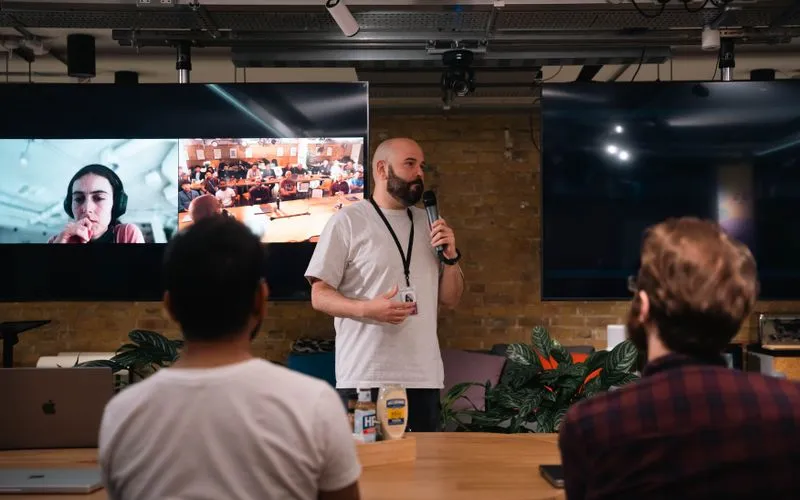
Zoom went from a business tool most marketers barely used to daily infrastructure within weeks of March 2020, as in-person conferences, trade shows and even small local meetups got cancelled and moved online almost overnight. By September, most marketing teams had run at least one virtual event, and the mechanics had settled into a few clear patterns worth understanding if you were building one.
Picking the right format
Virtual events in 2020 broke down into a few distinct shapes, and picking the wrong one for your goal was the most common mistake. A webinar, one or two presenters, a slide deck, a Q&A window, worked well for lead generation and education, and platforms like Zoom Webinar or GoToWebinar handled it cleanly. A virtual conference, with multiple sessions, tracks and a schedule, needed more purpose-built infrastructure: Hopin, which launched in 2019 and grew explosively through 2020, became a go-to option because it modeled the hallway-conversation feel of a real conference with virtual “expo” booths and networking rooms. A product launch or company town hall was closer to a livestream, and often just needed a clean broadcast setup rather than an interactive platform at all.
The registration and reminder sequence
Every format shared the same underlying mechanics on the marketing side. A landing page collected registrations, usually through the event platform itself or a form connected to email marketing software. A confirmation email went out immediately with the calendar invite and access link. Reminder emails, typically at one week, one day and one hour before the event, did most of the work of keeping the show-up rate above the 40 to 50 percent that had become a rough industry norm for virtual events, well below in-person no-show rates because the cost of skipping was so much lower when nobody had to travel.
Running the actual event
Engagement tools separated forgettable webinars from ones people remembered. Live polls, a moderated chat and a dedicated Q&A queue kept attendees active rather than passively watching a stream in another browser tab. For larger virtual conferences, breakout rooms let organizers replicate smaller, more focused sessions inside a bigger event, and virtual sponsor booths, usually just a branded page with a chat window and downloadable resources, gave sponsors something to justify their spend even without a physical table.
Technical rehearsal mattered more than most teams expected going in. Presenters unfamiliar with screen sharing, unstable home internet connections and audio issues were the most common failure points, and teams that ran a full dry run 24 to 48 hours ahead caught problems that would otherwise have played out live in front of an audience.
What happened after the event
The advantage virtual events had over in-person ones was how easily the content could be repurposed. A recorded webinar became gated on-demand content for months afterward. Individual sessions from a conference got cut into shorter clips for social. Chat transcripts and poll results gave sales and content teams a direct read on what attendees cared about, feedback that was much harder to capture systematically at an in-person show.
The follow-up email, sent within a day or two with the recording and any resources mentioned, consistently drove more engagement than the live event itself, since it reached both attendees who wanted to rewatch a section and registrants who never showed up live. Treating that follow-up as an afterthought, rather than as a core part of the event plan, was the difference between a virtual event that generated a real pipeline and one that just generated an attendee list nobody followed up on.