How Curbside Commerce Changed Digital Marketing in 2020
How curbside pickup went from a niche convenience to standard infrastructure in 2020, and what it meant for local SEO, inventory visibility and text marketing.
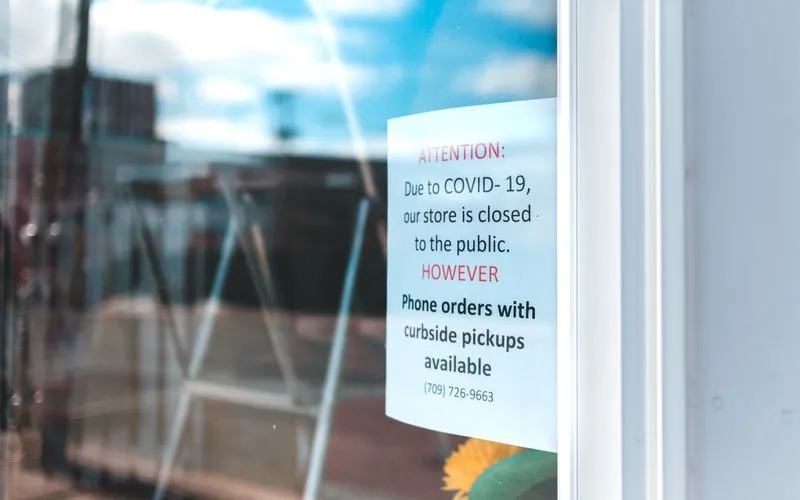
Curbside pickup existed before 2020, but it was a minor convenience feature offered by a handful of big retailers. Once indoor shopping shut down or became something customers actively avoided starting in March, curbside went from optional to essential almost overnight, and retailers of every size scrambled to stand up some version of it within weeks. Target, Best Buy and Walmart expanded programs they’d already built. Independent shops and restaurants without any existing infrastructure had to build the whole thing from scratch, fast, and that scramble reshaped several parts of digital marketing for the rest of the year.
Local search became a transaction channel, not just a discovery one
Before 2020, “near me” searches mostly led to a phone number, a map and store hours. Once curbside became common, Google My Business listings started functioning as a direct transaction gateway: customers wanted to know not just where a store was, but whether it currently offered pickup, what the pickup process looked like and whether inventory was in stock right now. Businesses that updated their listings promptly, adding pickup-specific attributes and current hours as they changed week to week, captured a real advantage, since a customer choosing between two similar local businesses would often pick whichever one clearly stated it had what they needed and a way to get it without going inside.
Inventory visibility moved from a nice-to-have to a requirement
Curbside only works if the customer trusts the item will be there when they arrive. That pushed a lot of small and mid-sized retailers to prioritize real-time inventory syncing between their point-of-sale system and their website, something plenty had put off for years as a lower-priority project. Shopify, Square and other platforms saw a rush of adoption for inventory and curbside-specific features through the spring, precisely because the alternative, a customer driving over for something that turned out to be out of stock, was now the primary failure mode of the entire model.
Text messaging became the default pickup notification channel
Email wasn’t fast enough for “your order is ready, pull into spot 3.” SMS marketing platforms that had mostly served retail promotions before 2020 pivoted hard into transactional pickup notifications, and businesses that had never used text messaging as a channel adopted it purely for logistics, then noticed customers preferred getting order updates that way. That adoption had a lasting effect: once a business had a customer’s phone number and permission to text them, promotional SMS marketing became a natural next step, and open rates on text messages, far higher than email’s, made it an appealing channel to keep using well beyond the immediate curbside use case.
What outlasted the immediate crisis
By June, curbside had gone from an emergency workaround to something many customers actively preferred over walking into a store, especially for quick errands. Businesses that treated the infrastructure they’d built, local listing accuracy, inventory syncing, SMS notifications, as a permanent capability rather than a temporary patch kept an edge going into the rest of the year. The ones that let it lapse once restrictions eased found themselves rebuilding it later, often after losing customers to competitors who’d simply kept it running.