The Rise of Influencer Partnerships
From mommy bloggers to Fyre Festival to the ambassador programs brands run today: the real history of how influencer marketing became influencer partnerships.
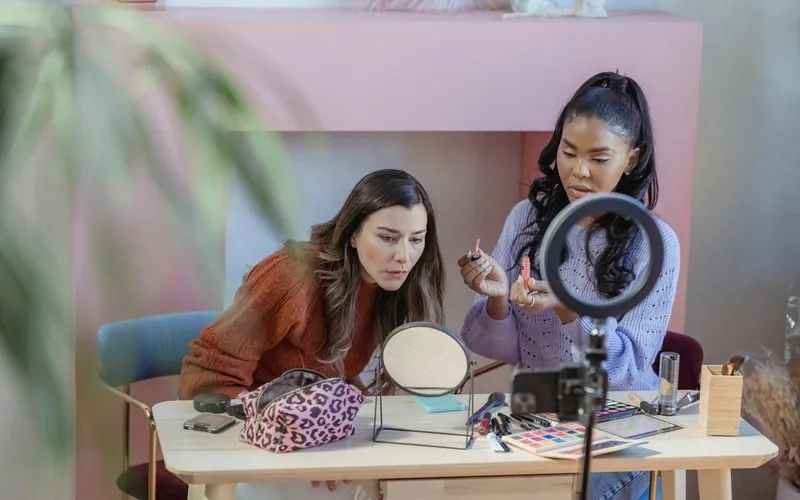
Long before the word “influencer” existed as a job title, bloggers were already doing the job. Mommy bloggers in the mid-2000s built loyal readerships and started getting sent free products to review; gaming YouTubers built audiences around Let’s Play videos and began taking sponsorships from hardware brands by the early 2010s. The mechanics that define influencer marketing today, an audience’s trust in a person, rented by a brand for a fee or free product, were already fully formed before Instagram even existed.
Instagram turned a niche practice into an industry
Instagram launched in 2010, and by the mid-2010s it had become the default home for a new kind of creator: someone whose entire audience and income existed inside a single platform’s feed. Follower counts became a legible, sellable number in a way blog traffic never quite was, and that legibility is what turned informal product-review arrangements into a structured market with rate cards, agencies and eventually entire platforms built to match brands with creators.
The moment it broke into the mainstream conversation
Fyre Festival, in April 2017, did more to put “influencer marketing” into mainstream vocabulary than any successful campaign ever did. Dozens of well-known Instagram figures had promoted a music festival that turned out to be a logistical disaster, and the backlash forced a public reckoning with a question the industry had mostly avoided: what exactly is an audience owed when the person they trust gets paid to vouch for something. The FTC, which had been quietly updating its endorsement guidance for social media since 2009, started enforcing disclosure rules with noticeably more attention afterward.
The fake-follower problem forced the industry to grow up
In January 2018, a New York Times investigation into a company called Devumi exposed a large-scale market for fake followers and bots, implicating a wide range of public figures and brands who had unknowingly or knowingly paid for inflated audiences. The fallout accelerated something that was already starting: brands and the platforms serving them began building actual vetting tools, engagement-rate analysis and fraud detection, because a follower count alone had stopped being trustworthy as a buying signal.
From transactions to partnerships
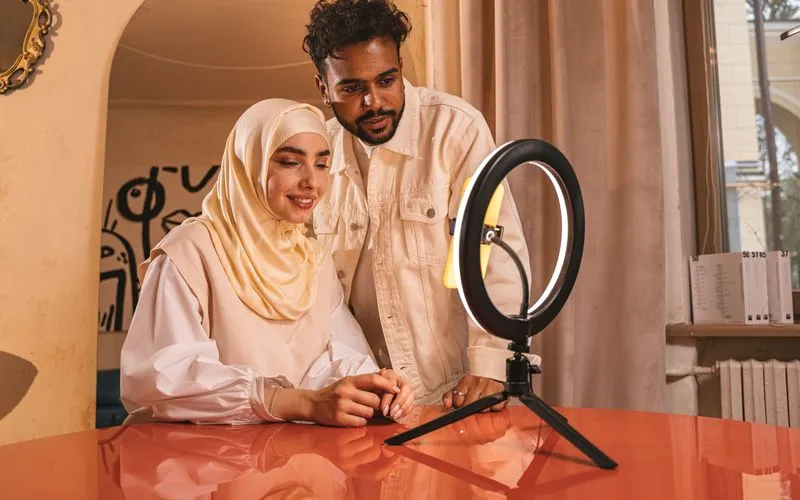
By 2019, the more sophisticated brands had noticed something in their own data: a creator who mentioned a product once got a spike and then nothing, while a creator who used and referenced a product repeatedly over months built a level of trust and recall that a single post never could. That observation is what pushed the industry’s language, and its actual contracts, from one-off “sponsored post” deals toward multi-month ambassador programs, affiliate arrangements and content-licensing agreements. The word shifted from influencer marketing to influencer partnerships because the structure changed underneath it.
Where that leaves things in 2021
The partnership model is now the default for any brand running this channel seriously, not because “partnership” sounds better in a deck, but because a decade of trial and error, including some public failures, showed that a rented, one-time endorsement converts worse and ages worse than a real, ongoing relationship between a brand and a creator whose audience trusts them. What started as bloggers accepting free skincare samples has become a structured discipline with legal disclosure requirements, dedicated agencies and a body of hard-won lessons about what happens when trust gets treated as a commodity instead of the fragile thing it is.