ChatGPT for Marketing: What Every Business Needs to Know
ChatGPT is still less than a year old, and most marketing teams are figuring out where it helps versus where it creates more risk than it saves in time.
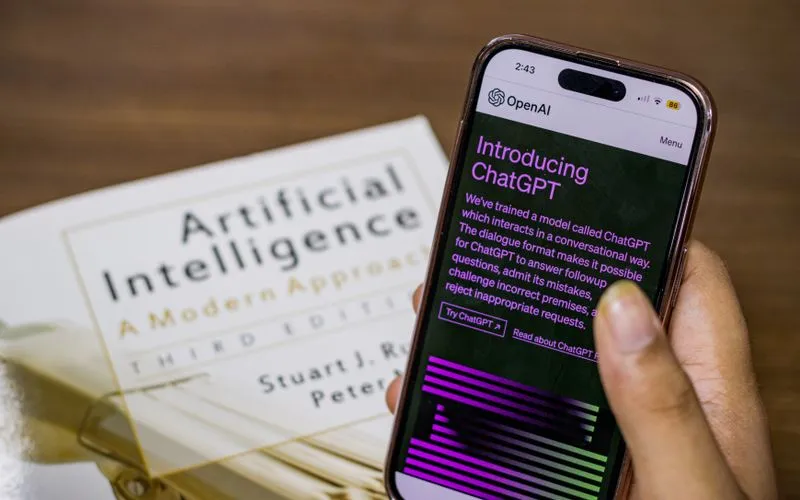
ChatGPT launched publicly on November 30, 2022, which means as of this writing it’s been available for about eight months. That’s worth stating plainly, because a lot of the discussion around it already sounds like it’s describing settled, mature practice. It isn’t. Most marketing teams are still in the experimentation phase, and the honest framework for a business right now is about figuring out where it helps rather than adopting it wholesale because everyone else seems to be.
What changed this year
OpenAI released GPT-4 in March 2023, a significant jump in quality over the original model, and ChatGPT reportedly reached 100 million users within about two months of launch, making it one of the fastest-adopted consumer products ever released. Microsoft folded the underlying technology into Bing that same February. For marketing teams, the practical effect has been a flood of tools built on top of the same technology, from ad copy generators to SEO content assistants, all promising to compress work that used to take hours into minutes.
Where it’s earning its place
The businesses getting real value right now are using it for the unglamorous middle of the content process, not the finished product. That means first drafts of ad copy variations to test, brainstorming headline angles when a writer is stuck, summarizing long customer feedback threads, drafting outlines before a writer builds the real piece and turning a rough set of notes into a readable first pass. It’s a useful acceleration tool for work a human was always going to review and rewrite anyway.
Where the risk is real
Three things deserve caution right now. First, factual accuracy: the model can state incorrect information with complete confidence, so anything involving specific claims, statistics or product details needs a human fact-check before it goes anywhere near a customer. Second, data privacy: pasting customer information, unreleased product details or internal data into a public chat tool means that data has left your control, which is a real concern for any business handling sensitive information. Third, sameness: because so many teams are prompting the same tool in similar ways, unedited output increasingly reads as generic, which works against a brand trying to sound distinct in a crowded market.
What this means for search and content
Google has said publicly that content produced with AI assistance isn’t automatically penalized, what matters is whether it’s helpful to the person reading it. That’s a meaningful distinction for content marketers: the risk isn’t using the tool, it’s publishing unedited, generic output at volume in the hope that quantity substitutes for quality. That approach was already a losing strategy before ChatGPT existed.
A simple way to decide where to use it
Before handing a task to ChatGPT, ask whether the output still needs a knowledgeable human to check it before anyone sees it. If yes, and most marketing tasks fall here, it’s a reasonable first-draft tool. If a task doesn’t need human judgment before publishing, that’s worth questioning regardless of what tool produced it.
The honest bottom line for August 2023
This is a fast-moving tool being adopted faster than most businesses can build sensible policies around it. Start small, keep a human in the loop on anything customer-facing and treat the current wave of hype with the same skepticism you’d apply to any tool that’s less than a year old, no matter how impressive the demos look.
More on this topic: browse Marketing Strategy guides or everything published in 2023.