How Social Networking Changed Digital Marketing in 2005
The year News Corp bought MySpace for 580 million dollars, YouTube was founded and social platforms stopped being a side project for marketers.
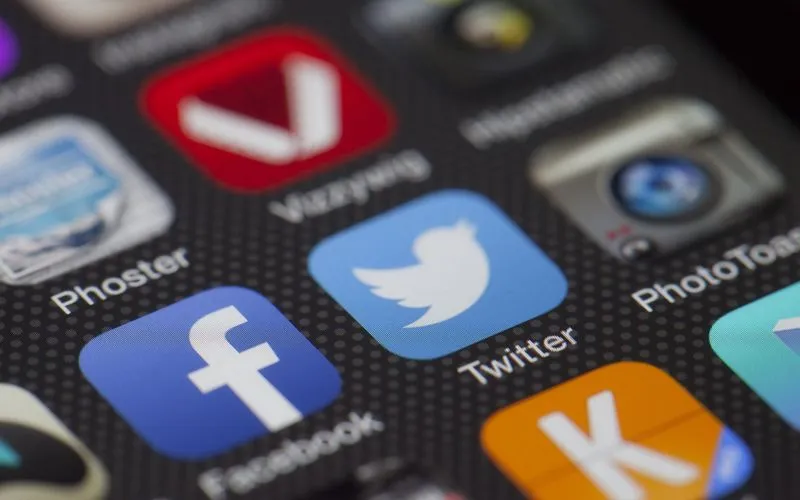
2005 was the year social networking stopped being a curiosity and started showing up in boardroom conversations. A handful of concrete events made that shift hard to ignore, and each one changed what was practically possible for a marketer working with these platforms.
News Corp’s MySpace acquisition put a real number on it
In July 2005, News Corporation acquired Intermix Media, MySpace’s parent company, for roughly 580 million dollars. That’s the moment social networking went from a niche tech-press story to front-page business news. A traditional media conglomerate paying real money for a two-year-old social platform told every marketing department watching that this wasn’t a fad worth dismissing. It also meant MySpace suddenly had a well-resourced parent company backing its growth, which accelerated everything from server capacity to advertising sales infrastructure.
MySpace pulled ahead of Friendster decisively
By 2005, MySpace had overtaken Friendster as the dominant social network in the United States, helped along by Friendster’s ongoing performance problems and MySpace’s more permissive approach to profile customization. Users could edit their page’s HTML and CSS directly, which sounds minor but mattered enormously: it turned profiles into a form of self-expression, especially for musicians and bands who used customized pages to post songs and build followings directly with fans. That musician-fan dynamic became one of the first native marketing channels on any social platform, not an ad bolted onto the site but a use case the platform was built around.
Facebook expanded beyond Harvard, into more schools
Thefacebook, which had launched restricted to Harvard in February 2004, spent 2005 expanding to more universities and eventually high schools, while dropping “The” from its name. It was still closed to the general public and had no advertising product to speak of, but its growth pattern, real identities, expanding but still bounded access, stood in contrast to MySpace’s wide-open approach. Marketers watching both platforms were getting an early lesson in how differently a verified-identity network and an open one would eventually need to be approached.
YouTube’s founding planted a different kind of seed
YouTube was founded in February 2005 by three former PayPal employees and launched its site later that year. It wasn’t a social network in the same sense as MySpace or Facebook, but its arrival mattered for the same underlying reason: it gave ordinary people, and increasingly businesses, a free, simple way to publish video that didn’t require a broadcast budget or a media buyer. That combination, free hosting plus an audience willing to watch, hadn’t existed at this scale before.
What this meant for marketing budgets
None of this had fully worked itself out into standard practice by the end of 2005. But the direction was clear enough that businesses paying attention started shifting resources, even modestly, away from purely broadcast channels and toward these newer platforms. The MySpace acquisition proved there was real commercial value here. The Facebook and YouTube stories showed that the next wave of platforms was already forming behind it. Marketers who treated 2005 as the year to start experimenting, rather than waiting for a mature playbook, had a real head start once these platforms opened up advertising products in the years that followed.