The State of Online Video in 2006
What changed for online video in 2006: YouTube's growth and Google acquisition, easy embedding and the first wave of branded viral clips.
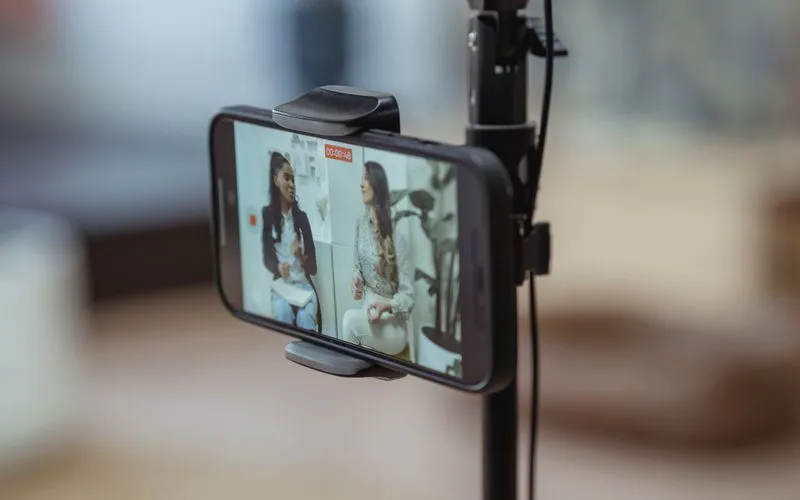
Online video went from a fringe activity to a mainstream habit in the space of about eighteen months, and 2006 is the year that shift became undeniable to anyone paying attention to where traffic was going.
YouTube’s growth forced everyone to pay attention
YouTube launched publicly in December 2005 with a simple pitch: upload a video, get a shareable link, embed it anywhere. By the middle of 2006 its traffic had grown so quickly that it became one of the most visited sites on the web, and by October Google had agreed to acquire it for $1.65 billion, a figure that told every marketer watching that video wasn’t a side channel anymore. Google had its own competing Google Video product, but YouTube’s simplicity and its embeddable player won out with actual users.
Embedding changed what “sharing a video” meant
Before this wave of sites, sharing a video usually meant sending a large file or a link to a page that might load slowly. YouTube’s embed code let anyone drop a working video player directly into a blog post, MySpace profile or forum signature in seconds. That single feature is arguably what turned video into something that spread the way text links always had, and it’s a big part of why clips could reach audiences their creators never paid to reach.
Rough, cheap video started outperforming polished ads
A blender company’s October launch of a low-budget series testing whether its product could blend unlikely objects, filmed with no professional crew, spread across the web faster than most traditional ad campaigns released that year. Dove’s short film “Evolution,” part of its Campaign for Real Beauty, showed the opposite case: carefully produced but built specifically to be watched and passed along rather than aired as a traditional TV spot. Both proved that success didn’t require a broadcast-sized budget, just a video worth talking about.
Broadband made it watchable
Online video only works if people can load it without waiting, and by 2006 broadband had become the majority connection type in most of the markets marketers cared about. That single infrastructure shift, invisible to most viewers, is what made two-minute and five-minute clips viable in a way they simply weren’t a couple of years earlier over dial-up.
What businesses are doing with it
Most companies experimenting with online video this year are still figuring out the format. Some are repurposing existing TV ads, which tends to underperform because those ads weren’t built for a viewer who chose to click play. The campaigns getting attention are the ones built specifically for the format: shorter, more informal and willing to be a little strange.
Where this leaves things
Video is no longer a channel businesses can treat as optional or experimental at the margins. The cost of production has dropped, the distribution mechanism through embedding and sharing is proven and the audience is demonstrably there. What’s still unsettled is which kinds of businesses can make it work without a Dove-sized budget or a Blendtec-style stunt, and that’s the question the next year or two will answer.