Why Facebook's Self-Serve Ad Targeting Mattered in 2009
Facebook passed 300 million users in 2009 and opened Facebook Ads to any business with a credit card. Here's what that shift means for revenue, not just reach.
A local business owner asked me recently why she should bother with Facebook when her MySpace profile already has a few hundred fans. The honest answer is that Facebook just crossed 200 million users worldwide and is still growing fast, it opened itself to anyone over 13 back in 2006 rather than staying a college network, and it now has something MySpace never built well: a self-serve advertising platform that lets any business target ads by age, location and stated interests for whatever budget they can afford.
The targeting is the actual product
Facebook Ads, opened to all advertisers in late 2007, let a business choose exactly who sees an ad based on information users voluntarily put into their profiles: where they live, their age, their relationship status and the interests and pages they have connected with. This is a meaningfully different proposition than a newspaper ad or even a Google search ad. A yoga studio can put its ad in front of women aged 25 to 40 within five miles who have expressed an interest in fitness, and pay only when someone clicks. No previous advertising channel available to a small business has offered targeting this specific at this price point.
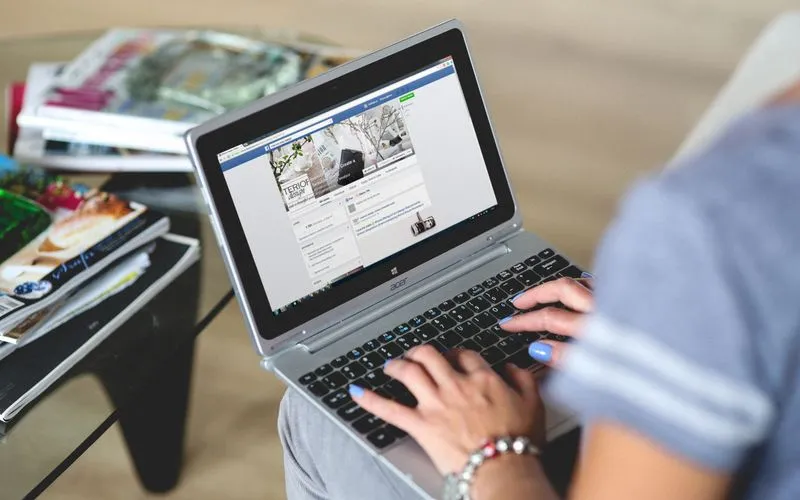
Facebook Pages, which any business can create for free, add a second layer to the case: once someone becomes a fan of a Page, updates from that Page appear in their News Feed alongside posts from their friends. That placement, inside a feed people check daily out of habit, is worth more attention than most businesses currently give it. A Page costs nothing to run beyond the time to post updates.
Where the revenue case gets concrete
Local and regional businesses see the clearest, most immediate results because Facebook’s location targeting lets them reach people who are near their storefront, something national advertising has always struggled to do efficiently. Retailers running promotions can put a specific offer in front of a specific, likely audience and measure clicks and signups directly, which is a level of accountability traditional advertising rarely offers.
There is also a slower, compounding benefit that is harder to put a number on but matters just as much: a Page with an active, responsive fan base becomes a place customers go to ask questions and see how a business treats people publicly. That visible responsiveness builds the kind of trust that used to take years of word of mouth to establish.
What it takes to make this work
Facebook marketing is not a set-and-forget channel. A Page needs someone posting real updates regularly, and ads need someone testing different targeting and creative to find what converts, since the platform’s own tools for measuring ad performance are still fairly basic compared to what will likely exist a few years from now. Businesses that put a modest, consistent budget behind well-targeted ads and pair it with an active Page are seeing real, trackable customer acquisition today, at a cost per customer that is often lower than the traditional channels they are used to. That is a new option, and it did not exist eighteen months ago.