How Voice Search Changed Digital Marketing in 2017
A year-in-review look at how smart speakers and voice assistants reshaped marketing in 2017, from Google Home's expansion to the first Alexa skill gold rush.
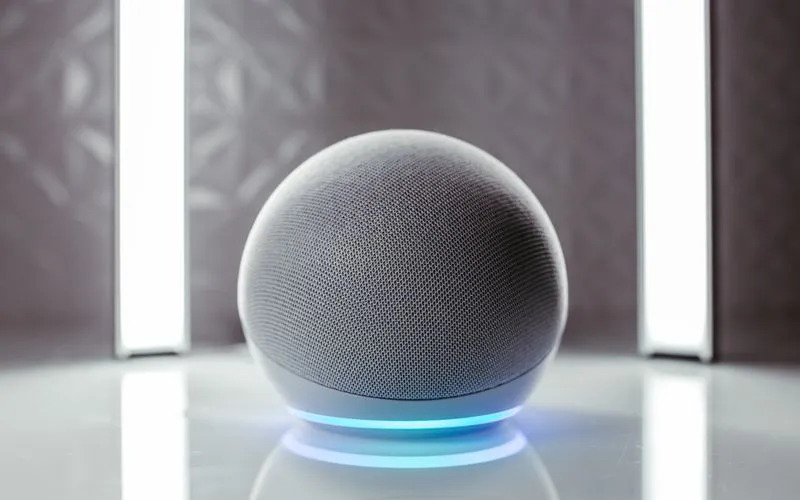
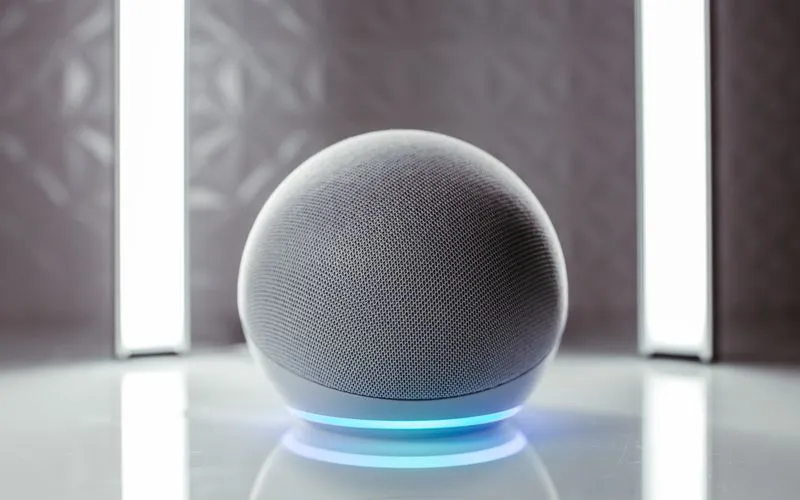
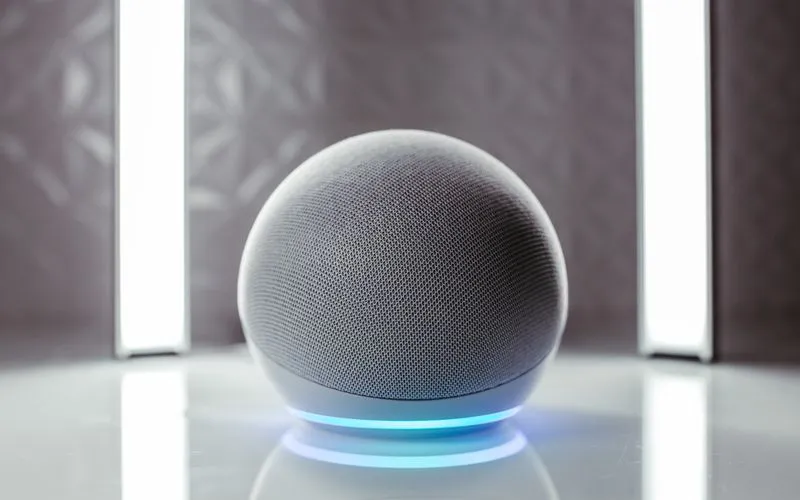
Voice search stopped being a novelty and became a real line item in marketing planning this year, and the hardware was the reason why. Amazon’s Echo had spent 2015 and most of 2016 building an installed base, Google Home shipped in November 2016 and by early 2017 both companies were competing hard for the same living rooms. Here’s what changed as a result.
Smart speakers moved from early adopters to mainstream gift lists
The 2016 holiday season was the first time smart speakers showed up as a mainstream gift, not just a gadget-lover’s purchase, and that installed base kept growing through 2017. Every new speaker in a household is another set of “near me,” “how do I,” and “what’s the,” queries that never touch a screen or a set of blue links, which meant marketers could no longer assume every searcher was looking at a results page.
The skills and actions land grab began
Amazon’s third-party skill catalog for Alexa grew fast in 2017, crossing well past 15,000 skills during the year, while Google pushed its own Actions on Google platform to compete. Brands rushed to build voice apps for weather, recipes, trivia and customer service, though most of those early skills saw thin usage. The lesson that emerged by year’s end wasn’t “build a skill,” it was “make sure your existing content can already answer a voice question,” which mattered far more for most businesses than a custom app nobody would find.
Google Assistant left the Pixel
For its first few months, Google Assistant was exclusive to Google’s own Pixel phone. In February 2017, Google opened it up to other Android devices, putting a voice assistant directly on a much larger share of phones already in people’s pockets. That expansion mattered more for everyday search behavior than either smart speaker line, because it reached people who’d never buy a dedicated voice device but already carried a phone that could listen.
Featured snippets became the de facto voice answer
When a smart speaker or Assistant reads out an answer, it’s almost always pulling from the same source Google already surfaces as a featured snippet on a normal search. That connection became clear to SEOs through 2017: there was no separate “voice SEO” discipline yet, there was just the existing work of writing clear, directly-answerable content, which now had an additional, screen-free way to reach a customer.
What this meant heading into 2018
By the end of 2017, the honest takeaway for most businesses wasn’t that they needed a voice strategy from scratch. It was that the fundamentals, clear answers to real customer questions, accurate local listings, fast and well-structured pages, were paying off in a new channel they hadn’t built for on purpose. Apple’s HomePod, announced that June but not yet shipping, was a signal that this category was only going to get more crowded from here.
See what else changed this year in the SEO archive or browse everything published in 2017.