Influencer Marketing Trends Shaping 2022
The specific shifts in influencer marketing during 2022: platform creator funds under fire, BeReal's rise and Reels chasing TikTok.
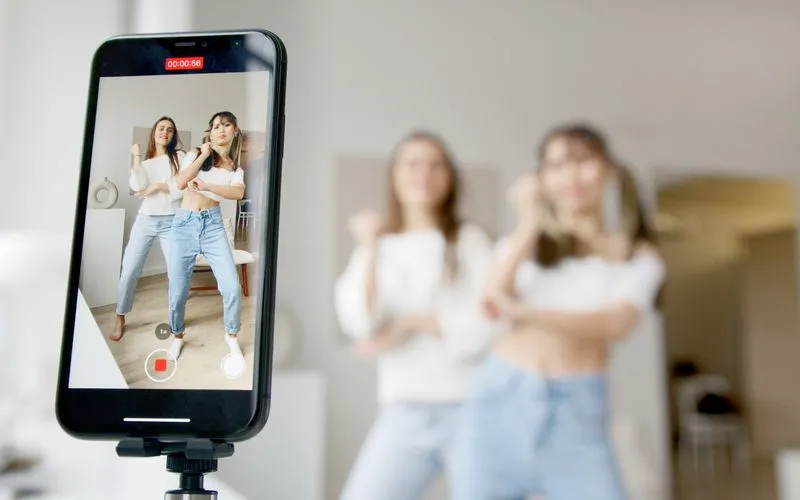
2022 was a year of platforms scrambling to keep up with TikTok, and that scramble reshaped influencer marketing in specific, visible ways.
Creator fund payouts became a public complaint
TikTok’s Creator Fund, its direct payment program for creators, had been running since 2020, and by 2022 a steady stream of creators were publicly comparing notes on how little it paid per view, often a fraction of a cent. That frustration pushed serious creators to treat platform funds as a minor supplement at best and to prioritize brand deals, affiliate income and their own products instead. For marketers, this meant influencers were more motivated than ever to negotiate real, direct partnerships rather than relying on platform payouts, which made them more available and often more receptive to brand outreach.
Instagram leaned hard into Reels, and paid creators to use it
Facing continued pressure from TikTok’s growth, Instagram pushed Reels aggressively throughout 2022, including a Reels Play bonus program that paid select creators based on performance, an explicit attempt to lure talent away from TikTok with money. Brands watched engagement shift toward Reels content and adjusted influencer briefs accordingly, asking for short-form video first rather than static feed posts.
BeReal showed there was still appetite for something unpolished
BeReal, an app that prompts users once a day at a random time to post an unedited photo within two minutes, grew sharply through 2022, built entirely around the opposite instinct of a curated influencer feed. It didn’t become an influencer marketing channel in any real sense that year, brands mostly stayed on the sidelines, but its rise was a visible signal that audiences, particularly younger ones, were tiring of the polished, sponsored aesthetic that had defined Instagram influencer content for years.
Creator burnout became an open conversation
With TikTok, Reels, YouTube Shorts and Stories all competing for constant content, plus platform algorithms rewarding posting frequency, creators talked more openly in 2022 about burnout from the pressure to publish constantly across every format at once. Brands negotiating deals increasingly ran into creators pushing back on unreasonable content volume, and the smarter briefs scaled back to ask for less content done well rather than more content done fast.
What this meant for a business running influencer campaigns in 2022
The practical shift was toward short-form video as the default format, more openness from creators to direct brand partnerships given weak platform fund payouts and more pushback from creators against high-volume, low-reward content requests. Brands that respected a creator’s time and built briefs around what performed on Reels and Shorts, rather than repurposing 2020-era static post formats, got better results and stronger relationships with the creators worth keeping.
Keep exploring: browse more Social Media Marketing guides, see everything we published in 2022 or check out the Digital Business Marketing Awards.