The State of Podcasting in 2005
A year-by-year look at what happened to podcasting in 2005, from the term's origin to Apple building it into iTunes.

Podcasting is barely a year old as a named phenomenon, and it already changed twice in 2005 alone. Here is what happened, in order, and what it means for a business trying to decide whether to bother with it.
The term is younger than you’d think
“Podcasting” was coined by journalist Ben Hammersley in a February 2004 article for The Guardian, describing the combination of Apple’s iPod and the RSS-based syndication that let audio files download automatically to a listener’s device. Before that, the same idea existed under clunkier names, and the tools were rough: Adam Curry and Dave Winer are widely credited with building the early scripts and software, including an early version of what became iPodder, that let anyone subscribe to an audio feed and have new episodes appear on their computer or player without having to visit a website.
The turning point: Apple gets involved
The single biggest shift in 2005 happened in June, when Apple released iTunes 4.9 with built-in podcast support and a directory people could browse and subscribe from directly. That mattered enormously, because it moved podcasting from something you needed technical patience for into something anyone with iTunes could do in a couple of clicks. Within days, the directory filled with tens of thousands of shows, and subscription numbers that had crept up slowly for a year suddenly jumped.
Podcasting earns mainstream recognition
By the end of 2005, the word itself had crossed into everyday language. The New Oxford American Dictionary named “podcast” its Word of the Year for 2005, a sign that the term, and the format, had moved well past the early-adopter crowd. Comedian Ricky Gervais launched a podcast that year that would go on to set a Guinness World Record for downloads, showing that the format could support entertainment programming at a scale that rivaled traditional radio audiences.
What businesses tried
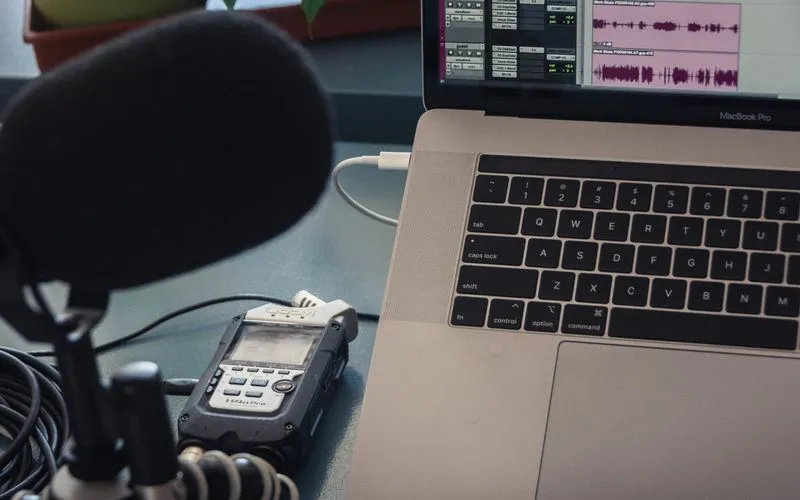
Marketing use of podcasting in 2005 was still experimental and mostly low-cost. A handful of companies started audio shows aimed at customers or industry peers, often recorded with consumer equipment and released on no fixed schedule. The appeal was obvious once you looked at the economics: no broadcast license, no studio rental and a built-in distribution mechanism through RSS that didn’t depend on a search engine’s goodwill. The audience was still small compared to a company’s total customer base, but it was self-selected and attentive in a way banner ads never were.
The limits, honestly assessed
None of this made podcasting a mass channel yet. Broadband adoption was still growing, portable MP3 players were common but not universal and producing a podcast well took more time than writing a blog post. Measurement was primitive: there was no reliable way to know how much of an episode someone listened to. Businesses experimenting with it in 2005 were making a bet on where audio was headed, not chasing an established audience.
Heading into 2006
With Apple’s directory now the default entry point and the format finally having a name people recognized, podcasting was positioned to grow well beyond its hobbyist roots. The businesses that started early weren’t necessarily the most sophisticated ones. They were the ones willing to hit record before anyone had proven the format would last.