Why Podcasting Matters for Your Bottom Line
The business case for podcasting in 2005: what it costs to produce, why the audience is unusually attentive and where the real payoff comes from.
Most new marketing channels get pitched on reach. Podcasting, at this early stage, has to be pitched on something else, because the audience is still small. The case for it is about attention quality and cost, not scale.
The cost side is the easy part
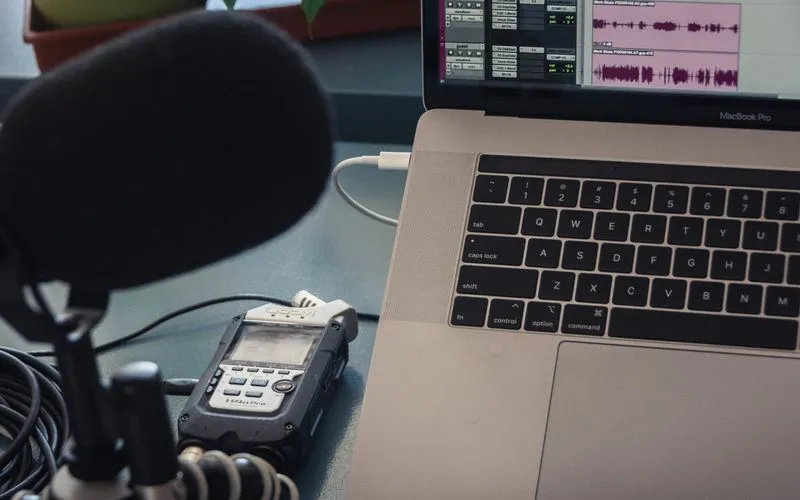
A podcast, at its simplest, is a microphone, free or low-cost recording software and an RSS feed. There’s no broadcast license to secure and no studio to rent. Compared to producing a radio spot or a print ad, the upfront cost of a business podcast in 2005 is close to nothing beyond someone’s time. That changes the math on experimentation: a company doesn’t need to be sure podcasting will work before trying it, because the downside of trying and failing is small.
Why the listener is worth more than a typical visitor
A person who subscribes to a podcast has done something a typical website visitor hasn’t: they’ve asked to receive your next episode automatically, before they know what’s in it. That’s a meaningfully higher level of trust than a one-time click from a search result or an ad. And because podcasts are usually consumed during commutes, workouts or chores, a listener often gives a show fifteen minutes or more of undivided attention, something almost no other marketing format can claim.
Distribution that doesn’t depend on a middleman
With Apple building a podcast directory into iTunes this year, a subscriber only has to find a show once. After that, new episodes arrive without the business having to pay for placement or fight for visibility in a crowded inbox or feed. That’s a real structural advantage over email marketing, where deliverability and open rates erode over time, and over paid search, where every click has a price attached.
Where the actual value shows up
For most businesses considering podcasting in 2005, the return isn’t going to look like a direct sales spike. It shows up in three places: it positions the people behind the business as knowledgeable, since a recurring show forces you to demonstrate expertise episode after episode rather than in a single pitch; it deepens relationships with existing customers who already trust the brand enough to keep listening; and it creates a searchable, permanent record of a company’s thinking that keeps working long after an episode airs.
The trade-off worth naming honestly
None of this works without consistency, and that’s the real cost, not the equipment. A podcast released twice and abandoned does more harm than good, because it signals the business doesn’t finish what it starts. The businesses likely to see a return are the ones prepared to commit to a schedule for months, not weeks, before judging whether it’s paying off.
Who should consider it now
Podcasting in 2005 makes the most sense for businesses that sell something requiring trust or expertise before a purchase decision, professional services, specialized products, anything with a longer sales cycle. A company selling on price and convenience alone will likely get more immediate value from other channels. But for the right kind of business, an early, unglamorous podcast is a cheap way to build the exact kind of audience relationship that pays off over years, not weeks.