Mastering Email Marketing: A Playbook for the Program
An operational playbook for running an email marketing program in 2009: the calendar, the segmentation, the testing process and the review cycle.
Strategy lists tell you what to try. This is about how to run the program week to week so those tactics stick. Here is the operational structure that separates a marketer who masters this channel from one who just sends the occasional campaign.
Start with a real calendar, not ad hoc sends
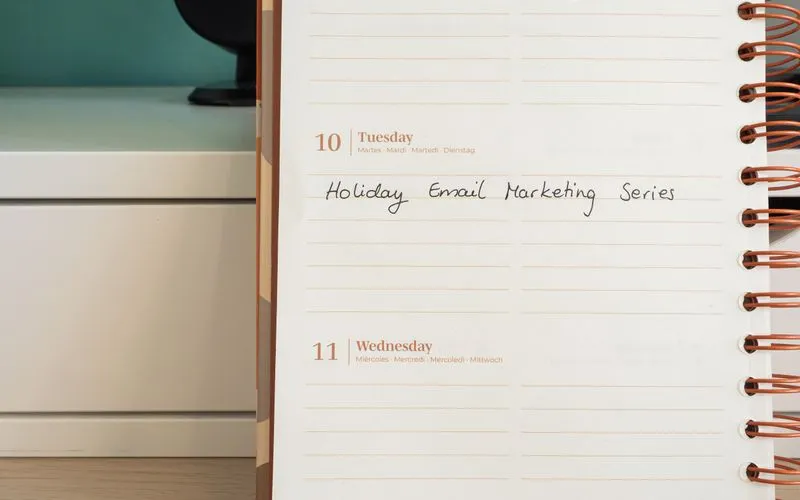
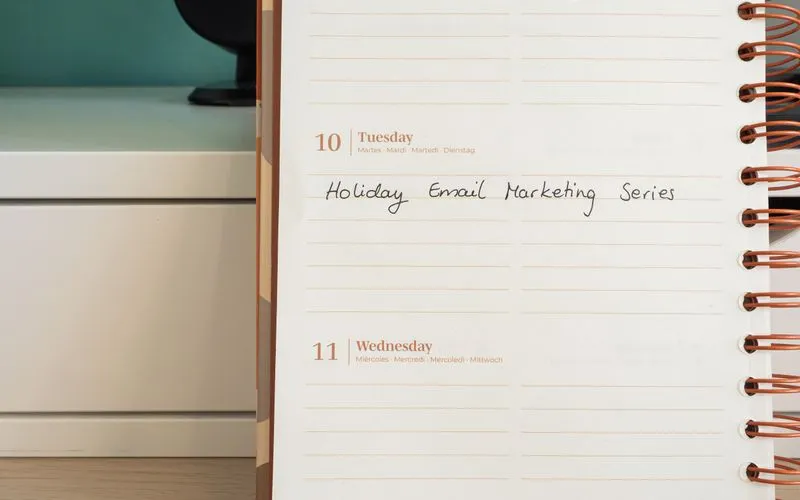
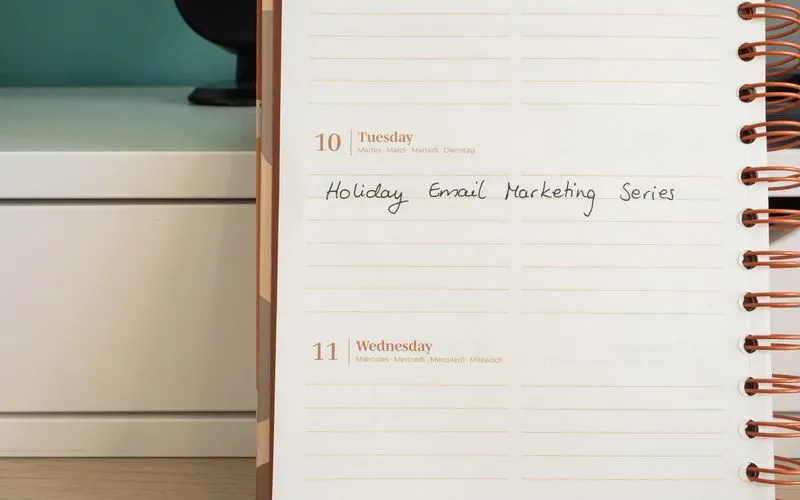
Build a rolling calendar that plans campaigns at least a month out: what goes to the full list, what goes to specific segments and where the automated triggered messages sit alongside everything else. A calendar forces you to plan content in advance instead of scrambling for a subject line the morning you meant to send, and it makes it obvious when you are relying too heavily on one type of message.
Set up your segmentation infrastructure once, then reuse it
Rather than deciding segmentation fresh for every campaign, define a small number of standing segments: new subscribers, recent buyers, lapsed customers and your most engaged group. Build these once inside your email platform so any campaign can be filtered against them without extra setup. The time invested up front pays back on every single send afterward.
Map your triggered messages to the customer lifecycle
Lay out the actual path a subscriber takes: signup, first purchase, repeat purchase and eventual inactivity. Assign a message to each of the moments that matters most, typically a welcome sequence at signup, a reminder for an abandoned cart and a win-back sequence when engagement drops off. Building this once as an automated layer means it keeps working in the background while you focus your active attention on the campaigns layered on top.
Run a consistent testing process
Pick one variable to test on a regular cadence, usually subject lines to start, and commit to testing every campaign rather than only when you remember to. Keep a simple running log of what won and why you think it did. Over a few months this becomes your own playbook of what works for your specific audience, which is worth more than any general best-practice list.
Review performance on a fixed schedule
Set a monthly review where you look at list growth net of unsubscribes, engagement trends by segment and revenue per email sent. The point of a fixed schedule is to catch a slow decline in deliverability or engagement before it becomes a crisis, since these problems tend to creep rather than spike.
Protect the list actively
Build list hygiene into the calendar itself rather than treating it as a cleanup project you get to eventually. A quarterly pass that flags subscribers who have not opened anything in six months, sends them a win-back message and removes the ones who still do not respond keeps your sender reputation healthy on an ongoing basis instead of letting it quietly erode.
Document the program, not just the campaigns
Keep a living reference of your segments, your triggered sequences and your testing history somewhere the whole team can see it. Programs that live entirely in one person’s head fall apart the moment that person is out sick or moves on. A documented playbook is what lets a program scale past a single dedicated individual.
Put together, this is less about any single clever tactic and more about building a repeatable system. The businesses that treat email marketing as an ongoing operational discipline, calendar, segments, triggers, testing and review, consistently outperform the ones treating it as a series of one-off campaigns.
Keep exploring: browse more Email Marketing guides, see everything we published in 2009 or check out the Digital Business Marketing Awards.