Local Search Trends Shaping 2015
The local search shifts that mattered in 2015: the mobile-friendly algorithm update, a shrinking local pack and the rise of near me searches.

Local search went through more real change in 2015 than in the previous several years combined. Some of it was announced with fanfare, some of it crept in quietly and almost all of it favored businesses that had already invested in getting their basic listings right. Here’s what was driving results this year.
The mobile-friendly update landed in April
On April 21, Google rolled out an algorithm change that boosted mobile-friendly pages in mobile search results and demoted sites that weren’t. The industry nicknamed it “Mobilegeddon” before it even launched, and the panic was overblown, but the underlying signal wasn’t: a huge share of local searches, “plumber near me,” “coffee shop open now,” happen on a phone, and a site that loaded slowly or required pinch-to-zoom was losing customers before they ever read a word. Businesses that had put off a responsive redesign suddenly had a concrete deadline.
The local pack got smaller
For years, Google’s local results showed seven businesses under the map (“the 7-pack”). In August, that shrank to three, a format some in the industry started calling the “Snack Pack.” Fewer visible slots meant more competition for the ones that remained, and it raised the value of the ranking factors Google was already leaning on: proximity, relevance and the completeness and accuracy of a business’s Google listing.
Pigeon kept spreading internationally
Google’s Pigeon update, which tied local rankings more closely to core web ranking signals, first rolled out in the US in mid-2014. Through late 2014 and into 2015 it extended to the UK, Canada, Australia and other English-speaking markets. For businesses in those countries, local rankings started behaving more like organic rankings, rewarding overall site authority and content quality rather than treating “local SEO” as its own separate discipline.
”Near me” searches kept climbing
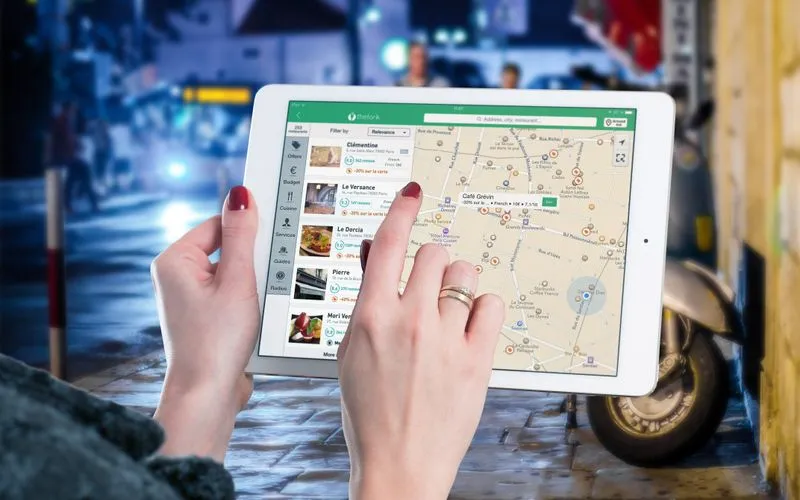
Search behavior was shifting alongside the algorithm changes. More people were pulling out a phone mid-errand and typing “near me” instead of a city name, trusting Google to figure out their location. That shift rewarded businesses with accurate, consistent address and hours information across the web far more than it rewarded clever keyword targeting, because the query itself no longer needed the location spelled out.
Google’s business listing product kept consolidating
Google had spent the prior year folding Google+ Local and Places for Business into a single Google My Business dashboard, and 2015 was the year most businesses caught up to it. Claiming and fully completing that one profile, correct category, real hours, current photos, became one of the highest-leverage things a small business could do, precisely because so many competitors still hadn’t bothered.
What this meant for a real business
None of these changes rewarded gaming a system. They rewarded businesses that made their site work properly on a phone, kept their address and hours accurate everywhere they appeared online and earned genuine relevance for the searches their actual customers were typing. That was true before 2015 and it stayed true afterward. The businesses that treated these updates as a wake-up call to fix fundamentals came out ahead; the ones that waited for the next algorithm change to sort itself out kept losing ground to competitors who didn’t.
Curious what else changed this year? Browse more SEO guides or see everything we published in 2015.