Short-Form Video Strategy From Scratch: 2021's Early Days
A step-by-step guide to building a short-form video strategy in 2021, when Reels was new, Shorts was in beta and TikTok's algorithm was rewriting the rules.
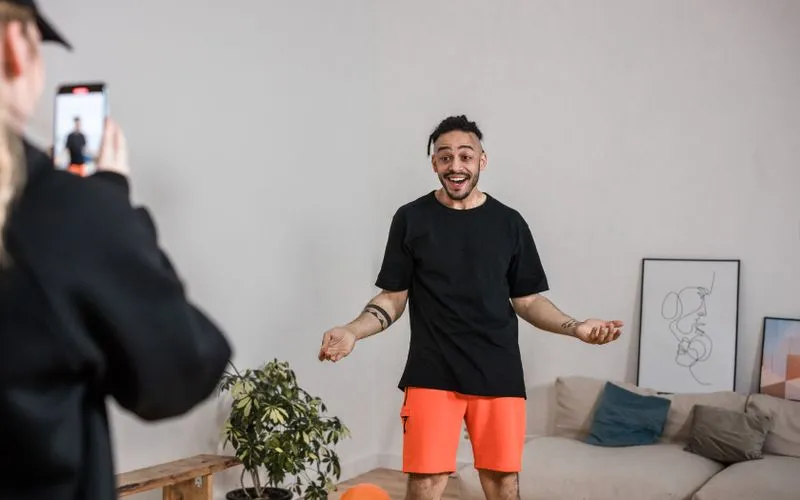
Short-form video looked different in 2021 than it does today, mostly because most of the infrastructure was brand new. Instagram had launched Reels in August 2020, largely as a direct response to TikTok. YouTube Shorts was still in beta, only reaching the US in March 2021. TikTok itself crossed 1 billion monthly active users that September. None of the major platforms had a mature playbook yet, which meant an early strategy built around real audience behavior had an unusual amount of room to work.
Step 1: Understand why the algorithm mattered more than your follower count
TikTok’s “For You” feed surfaced videos based on how people engaged with the content itself, not primarily on who already followed the account. That was a real break from how Instagram and Facebook had worked for years. In practice, it meant a brand-new account with zero followers could reach a large audience with one video that held attention, something that simply didn’t happen on the older follower-graph feeds. Any 2021 strategy had to start from that fact.
Step 2: Pick a platform based on where the format fit, not hype
TikTok, Reels and the newly arriving Shorts weren’t interchangeable. TikTok’s audience skewed younger and rewarded raw, trend-driven content. Reels lived inside Instagram, where an existing audience of followers could see it in a familiar app. Shorts was still finding its footing on YouTube. A 2021 strategy meant picking the one or two platforms that matched an actual audience, not posting everywhere because everyone else was.
Step 3: Build around native trends and sounds, not repurposed ads
The clips that performed used trending audio, native effects and the loose, first-person style the format rewarded. Businesses that simply cut down a 30-second commercial and dropped it in got a fraction of the reach of content built for the format from the start. This was the single biggest adjustment for teams coming from traditional video production.
Step 4: Lower the production bar deliberately
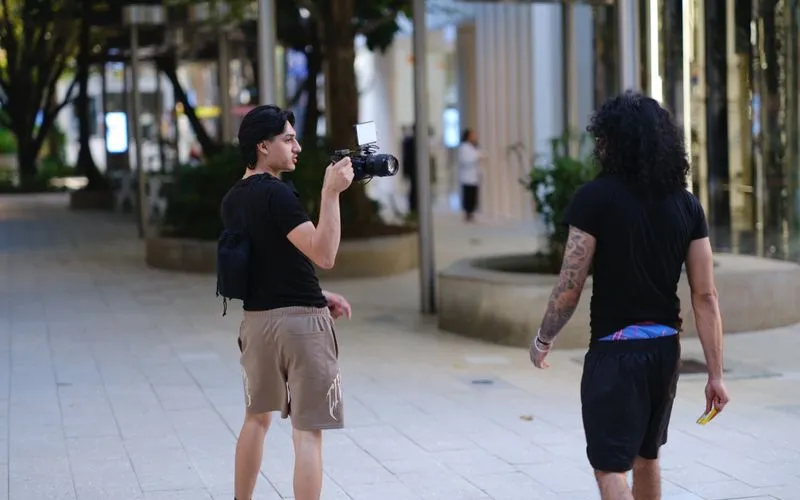
A phone camera, natural light and a simple hook in the first two seconds consistently outperformed anything that looked like a produced ad. In 2021, polish worked against a video, it signaled “ad” and made people scroll past before the message landed.
Step 5: Post often enough to learn what the audience responds to
Because the format was so new, there wasn’t an established best practice to copy. Teams that posted several times a week and paid close attention to which specific videos held attention past the first few seconds learned faster than teams that spent weeks planning one polished piece.
Step 6: Track completion and watch time, not just likes
Likes and comments were easy to see and easy to chase, but they didn’t predict what the algorithm rewarded. Watch time and completion rate mattered far more to how widely a video got distributed, so those were the numbers worth checking after every post.
Step 7: Give it real time before judging results
Because the discovery mechanic ran on content rather than an existing audience, a strategy could take a few weeks of consistent posting before a pattern of what worked became clear. Businesses that quit after five quiet videos missed the moment right before things usually started clicking.
What this looked like put together
A realistic starting plan in 2021: pick one platform where the target audience spent time, post three to five short, unpolished videos a week built around native trends, ignore likes in favor of watch time and give the account at least a month before deciding whether the format was working. Nothing about that plan required a production budget, it required consistency and a willingness to learn a new set of rules.
Want more? Browse our Content Marketing guides, everything from 2021 or the Digital Business Marketing Awards.