7 TikTok Marketing Strategies That Work
Seven approaches that drove results on TikTok in 2022, from Spark Ads and creator partnerships to treating the platform as a search engine for younger users.
TikTok in 2022 was a different platform than it had been in 2019. The ad infrastructure had matured, TikTok Shop was piloting in-app checkout and the app’s own executives had started publicly acknowledging what a lot of marketers had already noticed: a large share of younger users were using TikTok’s search bar the way older generations used Google. Here’s what was working that year, not the generic advice that circulated everywhere.
1. Boosting organic posts with Spark Ads instead of building separate ad creative
Spark Ads let brands put paid budget behind an existing organic post, either their own or a creator’s with permission, rather than producing dedicated ad creative from scratch. Because the post kept its original engagement and comments, it read as a real video rather than an obvious ad, and it consistently outperformed traditional in-feed ad units built the way brands were used to advertising on other platforms.
2. Working through the Creator Marketplace instead of cold outreach
TikTok’s Creator Marketplace, which expanded significantly through 2021 and 2022, gave brands a structured way to find creators by audience demographics, engagement rate and past brand partnership performance, rather than relying on cold DMs or agency guesswork. Brands that used it to find creators whose existing audience already matched their target customer got better results per dollar than brands chasing follower count alone.
3. Treating TikTok as a search engine for product discovery
By mid-2022, it was clear a meaningful share of Gen Z users were searching TikTok directly for restaurant recommendations, product reviews and how-to content before checking Google. Brands that optimized video captions, on-screen text and spoken content for the specific terms customers might search, rather than just for the algorithm’s recommendation system, showed up in that search traffic and captured intent that had nowhere to convert on the platform just a couple years earlier.
4. Letting creators keep their own voice instead of scripting brand talking points
Campaigns that handed creators a tight script consistently underperformed campaigns that gave creators a brief and creative freedom. TikTok’s audience could tell the difference between a creator’s genuine voice and a read-aloud brand message, and the more natural version reliably drove better completion rates and comment engagement, the two signals TikTok’s algorithm weighted most heavily when deciding how far to distribute a video.
5. Participating in trending sounds within the first 24 to 48 hours
Sounds and formats on TikTok had a short shelf life, often peaking and fading within days. Brands that had a process for spotting a relevant trend and producing a response quickly captured reach that the same content, posted a week later once the trend had cooled, simply wouldn’t get. This favored teams with lightweight, fast approval processes over teams requiring the multi-week creative sign-off common on other channels.
6. Building UGC-style ads even when using paid production
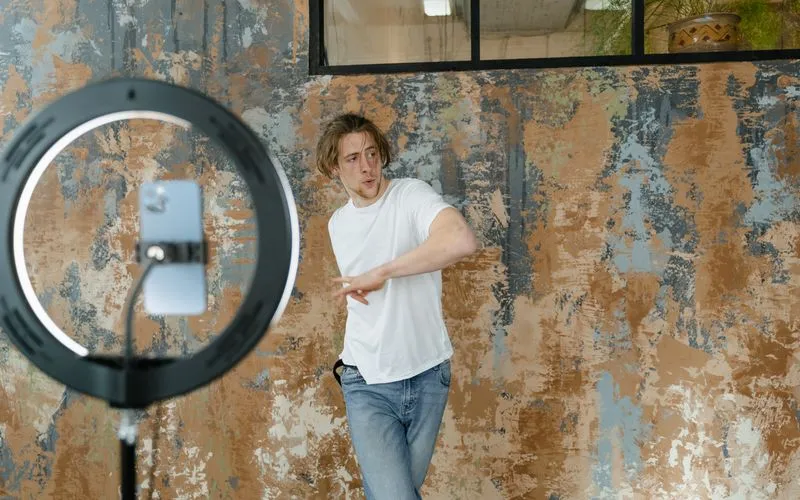
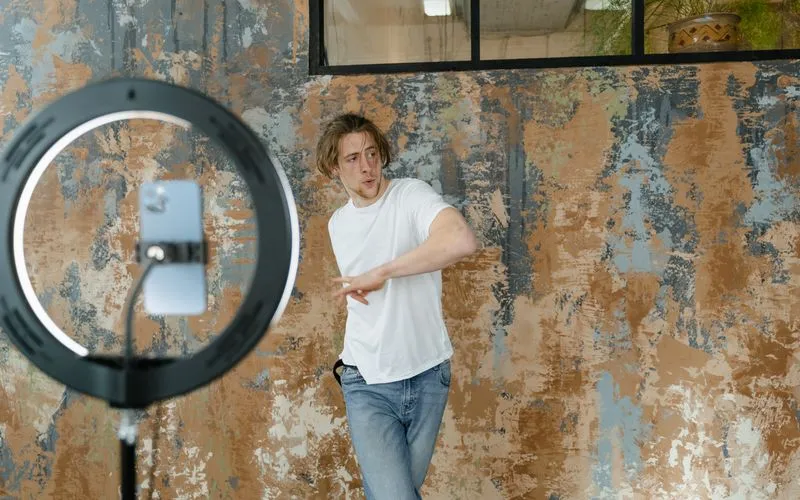
The visual style that performed best in 2022 looked handheld and unpolished, shot vertically, often on a phone, even when brands invested real production budget. Ads that looked like native TikTok content outperformed ads that looked like repurposed TV or Instagram creative, and agencies increasingly built dedicated TikTok-native production workflows rather than adapting existing campaign assets.
7. Testing TikTok Shop where it was available
TikTok Shop’s pilot rollout let select brands sell directly through in-app product links and live shopping events. Early adopters testing it in categories like beauty and fashion, where impulse purchase behavior was already common, saw a genuine new path from discovery to purchase without the customer ever leaving the app, a meaningfully shorter funnel than sending traffic out to an external site.
None of these worked in isolation from the others. The brands getting the most out of TikTok in 2022 combined several: creator-led content, boosted with Spark Ads, produced fast enough to catch a trend, and captioned with actual search intent in mind.